If your perfect day starts with a sunrise run along the water and ends with a sunset walk past lively piers, the West Village near Hudson River Park may fit you well. You want daily outdoor access, great neighborhood texture, and a calm home base that still feels connected. In this guide, you will see how the waterfront shapes everyday life, what nearby parks and piers offer, and how housing types and prices compare on these coveted blocks. Let’s dive in.
West Village, defined simply
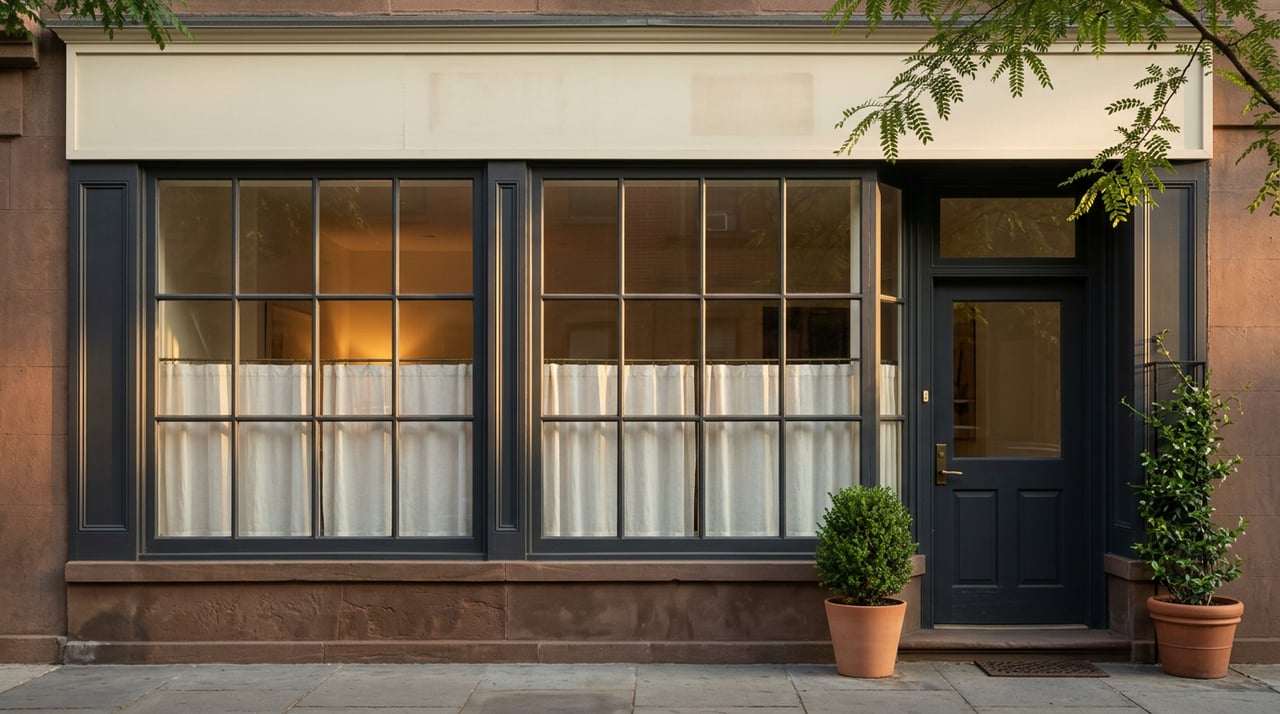
The West Village sits on Manhattan’s west side, bounded by the Hudson River to the west, and is known for low-rise streets, townhouses, and prewar buildings. You will find the most direct park access on or just east of West Street between Houston and 14th Streets. For a clear neighborhood snapshot, see this overview of the West Village.
Hudson River Park at your door
Park scale and energy
Hudson River Park stretches for miles along Manhattan’s west side and functions as the West Village’s waterfront backyard. The park’s piers and esplanade welcome millions of visits per year, which keeps the waterfront active in all seasons. Explore a representative pier to get a feel for amenities and flow, like Pier 25.
Piers for play and families
Two piers stand out for families and casual recreation. Pier 25 offers Manhattan’s only 18-hole mini golf course, sand volleyball, a turf field, a playground with water features, and seasonal food. Details are listed on the Pier 25 page. Pier 51 near Jane Street features a highly loved water-themed playground with interactive elements, great for hot days. See what is on offer at Pier 51.
New green space at Gansevoort
Gansevoort Peninsula adds 5.5 acres of public space to the Far West Village and Meatpacking edge. It includes a sandy bluff, sports field, dog run, and salt marsh features, highlighting new investment in waterfront access and resilience. Learn more from local coverage of the peninsula’s debut as Manhattan’s first public beach.
Running and cycling on the Greenway
If you run or bike, you will likely use the Hudson River Greenway as your main route. It is a continuous path along the water and is one of the busiest bike corridors on Manhattan’s west side, with municipal counts showing thousands of cyclists daily. Expect heavier use on weekends and during commute times. The city’s overview of the corridor offers helpful context on the Greenway’s role and counts.
On-the-water access
You can get on the water seasonally through community programs. The Village Community Boathouse at Pier 40 runs volunteer rowing and youth activities, with free or low-cost access for newcomers. See schedules and programs at the Village Community Boathouse.
Waterfront dining and social life
Pier-based dining is a key part of the neighborhood’s rhythm. Seasonal oyster bars, small vendors, and venues like Market 57 and City Winery create an easygoing scene that changes with the weather. For current spots and hours, check the Park’s roundup of places to eat.
How the waterfront shapes daily life
Everyday routines
- Exercise is simple when the Greenway is steps away. You can plan short loops or longer rides north toward Chelsea.
- Families and dog owners make quick trips to playgrounds, turf fields, and dog runs, trading long weekend drives for short daily outings.
- Evenings bring sunset strolls, meetups on the piers, and casual bites. Summer feels lively and social, while colder months are calmer.
Crowds, privacy, and noise
Living on the blocks that face the esplanade brings fast access and great views. You should also expect more foot traffic and occasional event noise, especially on weekends and summer evenings. If you prefer a quieter feel, the interior blocks one to three streets east typically read as more residential and low-key. The park pages give a sense of activity levels at popular spots like Pier 25.
Housing near the river: what to expect
Building types and historic fabric
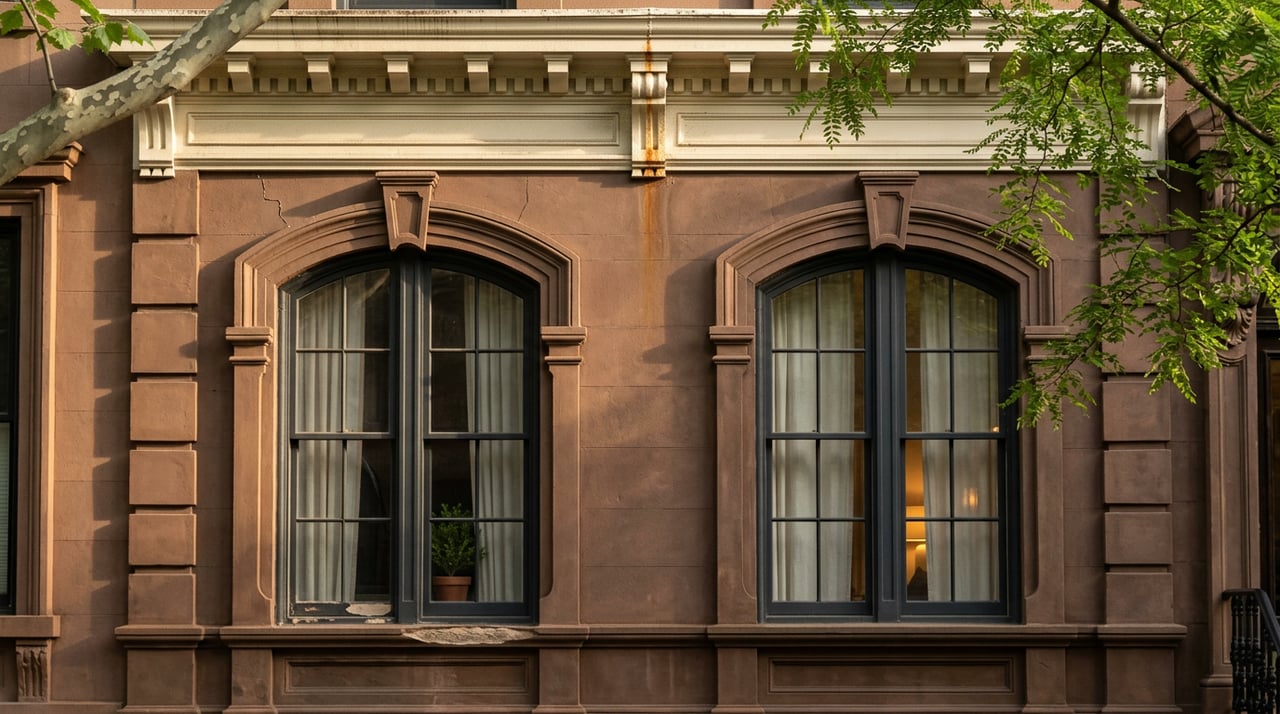
You will find a mix of building styles as you move inland. Directly by the water, modern and mid-rise condos appear near park edges, while a block or two east you return to 19th-century townhouses, prewar co-ops, and low-rise walk-ups. Much of the area is protected by historic districts, which preserve the block-by-block character. For context on protections and neighborhood fabric, review the district overview from Village Preservation.
Ownership 101: co-ops and condos
The West Village includes many co-operatives, along with boutique condos. Co-ops often show lower list prices but include board approvals and maintenance policies that affect total carrying costs. Condos tend to be higher on a per-square-foot basis, and they offer simpler closings and more flexibility for owners and investors. CityRealty’s neighborhood analyses outline these market differences across Manhattan and within the West Village. See a useful comparison in this market summary.
Price context and ranges
The West Village ranks among Manhattan’s most expensive submarkets on a per-square-foot basis. Co-ops and small prewar apartments often form the lower-cost entries, while modern riverfront condos and townhouses sit at the high end. Historically, modest one-bedroom co-ops can appear in the low-to-mid seven figures when available, with boutique condos and larger two-bedrooms trading higher. Townhouses often start in the high single digits and can rise well above that, depending on lot depth, outdoor space, and condition. Because supply is limited and deals are lumpy, medians can swing, so you should confirm recent building-level comps. CityRealty’s data-driven reviews offer helpful PPSF context.
Flood risk, resiliency, and insurance
Waterfront blocks carry coastal flood considerations in New York City. You should review FEMA and NYC flood maps, ask for building elevation details, and speak with your lender and insurance advisor about flood policies and any resiliency measures in place. Recent park projects, including the Gansevoort Peninsula buildout with habitat and shoreline features, show ongoing investment in resilience along the West Side. For a snapshot of that effort, see the coverage of Gansevoort’s opening.
Buyer checklist near Hudson River Park
- Map your daily routes. If running and sunset walks are a priority, focus on buildings on or within two blocks of West Street for a 2 to 10 minute walk to the esplanade.
- Test noise levels. Visit in the evening and on a weekend to gauge crowds near the nearest pier or park entrance.
- Compare ownership types. Co-op vs. condo will affect approvals, policies, and carrying costs. Review house rules and reserves.
- Validate recent comps. Confirm per-square-foot trends and building-specific premiums for views, terraces, or direct park access.
- Ask about resiliency. Request flood disclosures, building elevation, mechanical placement, and any flood-hardening investments.
- Walk the piers. Tour Pier 25, Pier 51, and Gansevoort to make sure the nearby amenities match your daily life.
Ready to explore the West Village waterfront
If you want a calm home base with daily access to running paths, family play spaces, and seasonal waterfront dining, the West Village near Hudson River Park delivers a rare mix of charm and convenience. When you are ready to think through options at the block and building level, reach out to Greg Mire to request a confidential consultation.
FAQs
How close should I live for easy West Village park access?
- Buildings on or within two blocks east of West Street usually give a 2 to 10 minute walk to the esplanade and Greenway.
Which Hudson River Park piers near the West Village are best for kids?
- Pier 25 offers mini golf, volleyball, and a water play playground, while Pier 51 features a standout water-themed playground.
Is the Hudson River Greenway busy for commuting and exercise?
- Yes, it is a continuous, high-use corridor with thousands of daily cyclists, and it gets busier on weekends and during commute hours.
Do river views and park frontage raise home prices in the West Village?
- Yes, direct views and immediate access often carry a premium, though the amount varies by building, line, and exposure.
Are co-ops or condos more common near the West Village waterfront?
- Both appear, but co-ops remain common across the neighborhood, with condos more typical for newer river-facing buildings.
Will I hear crowds if I live by Hudson River Park?
- Expect more foot traffic and occasional event noise near piers and entrances, especially on summer evenings and weekends.