Selling a Park Slope brownstone is not the same as selling just any house in Brooklyn. Buyers here often respond to a specific mix of historic character, visible care, and fewer surprises during due diligence. If you are getting ready to list, the goal is not to strip away age or chase a fast cosmetic overhaul. It is to present the home in a way that respects what makes Park Slope desirable while giving buyers confidence in the property’s condition. Let’s dive in.
Why Park Slope prep is different
Park Slope remains one of Brooklyn’s higher-value markets, with Realtor.com reporting a median listing price of $1.5 million and StreetEasy showing a median sale price around $1.7 million. StreetEasy also notes that brownstones in the neighborhood can command $3 million or more, which helps explain why thoughtful preparation matters.
This market is also shaped by architecture. According to StreetEasy’s Park Slope neighborhood profile, much of the area’s housing stock dates to the 19th century and includes ornate carved woodwork. The New York City Landmarks Preservation Commission describes Park Slope as a neighborhood of row houses and flats with strong architectural integrity, much of it protected within the historic district.
Lead with brownstone character
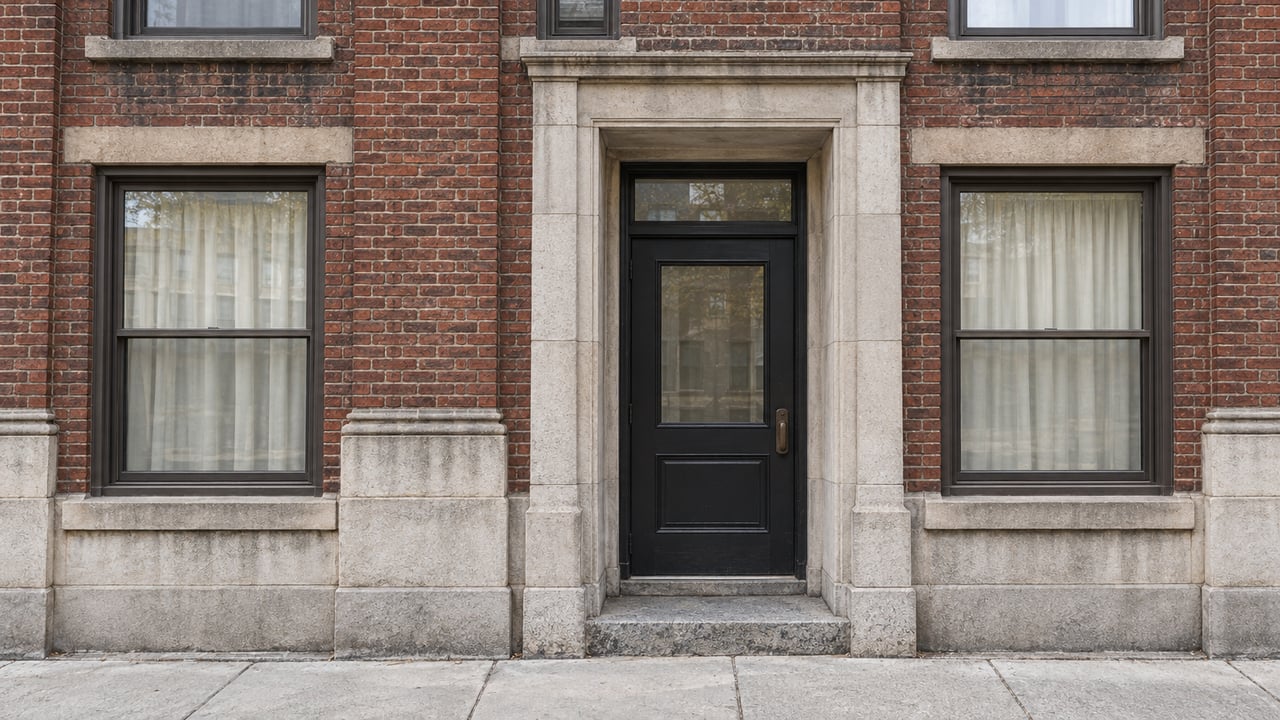
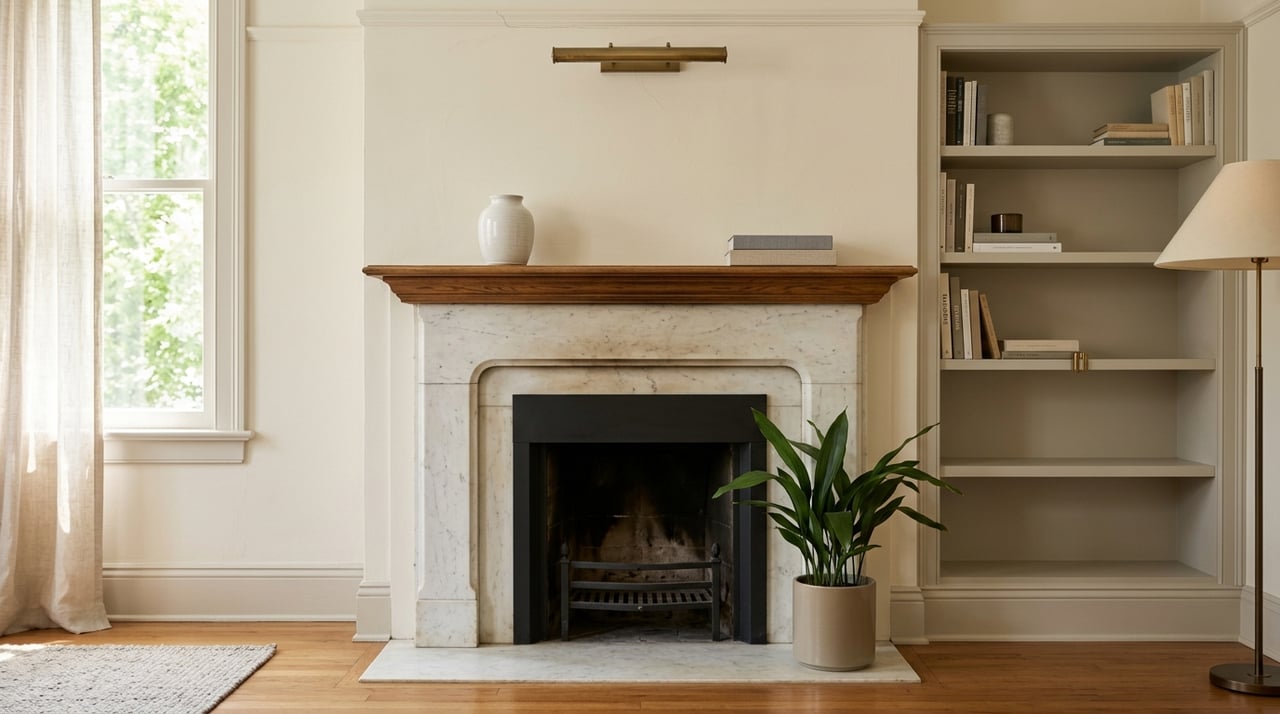
When you prepare your home for sale, start with the features that make it feel unmistakably like a Park Slope brownstone. Buyers are often looking for original details that still read as authentic and well-kept. That can include woodwork, moldings, stair rails, interior doors, fireplaces, and the stoop.
This approach also aligns with the LPC’s broader standard for work in historic districts. The commission states that changes should be sensitive to the building’s architectural and historical character, not designed to make it look artificially old-fashioned. In practical terms, that means your best return often comes from cleaning, repairing, and highlighting original features rather than replacing them.
Features worth highlighting
- Original woodwork and trim
- Staircases and railings
- Fireplace mantels
- Pocket doors or original interior doors
- Decorative moldings and plaster details
- Well-maintained stoop and entry sequence
Fix wear before buyers see it
Older homes show use more quickly, and buyers tend to notice deferred maintenance right away. Small issues can make a larger impression than you expect, especially during open houses and showings.
Focus first on visible wear that signals neglect. Scuffed walls, sticky hardware, cracked caulk, chipped paint, and worn flooring can distract from the home’s strengths. A brownstone does not need to look new, but it should look cared for.
Smart pre-listing touch-ups
- Repaint interior walls in a clean, consistent palette
- Repair loose knobs, latches, and hinges
- Refinish or deep-clean floors where needed
- Replace dim or mismatched light bulbs
- Clean windows thoroughly
- Address minor plaster cracks and patching
- Refresh caulk at tubs, sinks, and drafty openings
Be careful with exterior changes
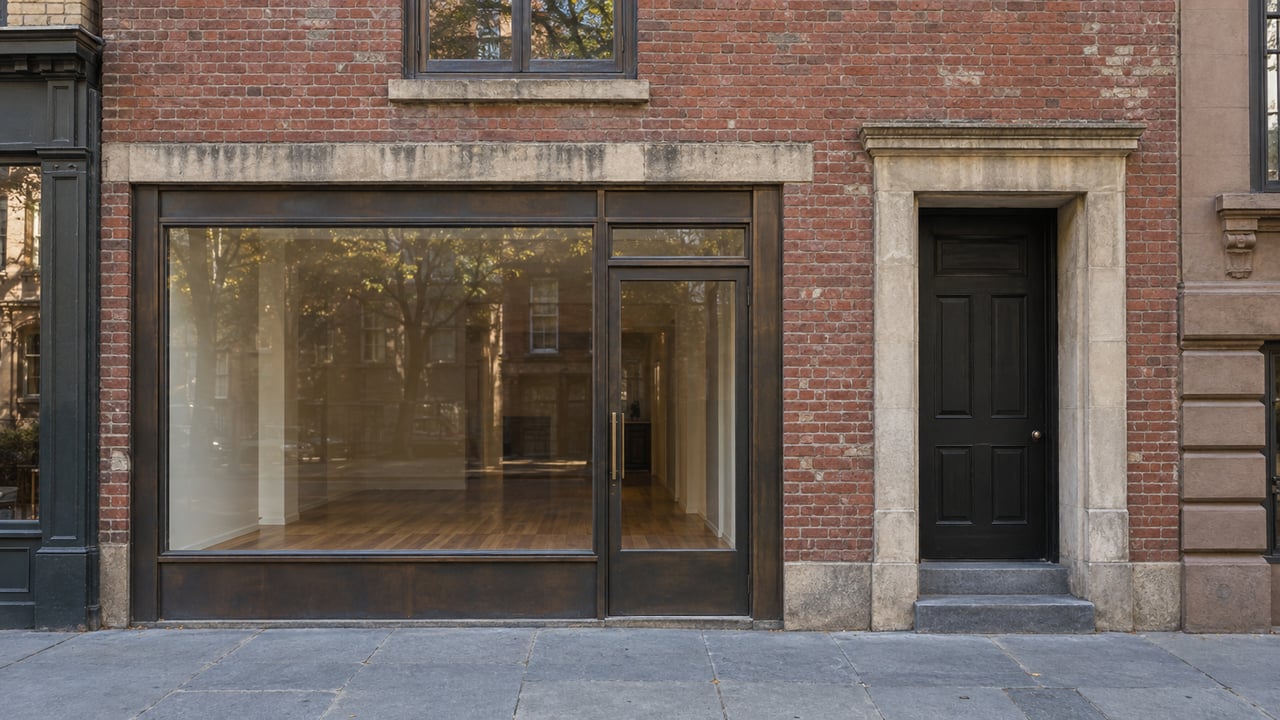
Exterior work in Park Slope can affect both timing and cost. The LPC notes that ordinary maintenance such as replacing broken window glass, repainting to match the existing color, and caulking around windows and doors does not require a permit. That makes basic upkeep a practical place to start.
By contrast, many exterior changes in a historic district do require LPC review. If you are considering stoop work, facade changes, or window replacement, do not assume you can complete those items quickly before launch. The LPC permit process can extend your timeline, and a Certificate of Appropriateness may take about three months once an application is complete.
What to avoid right before listing
- Last-minute facade redesigns
- Unapproved stoop alterations
- Exterior color changes that do not match the existing finish
- Window replacements without checking LPC requirements
Do not rush to replace old windows
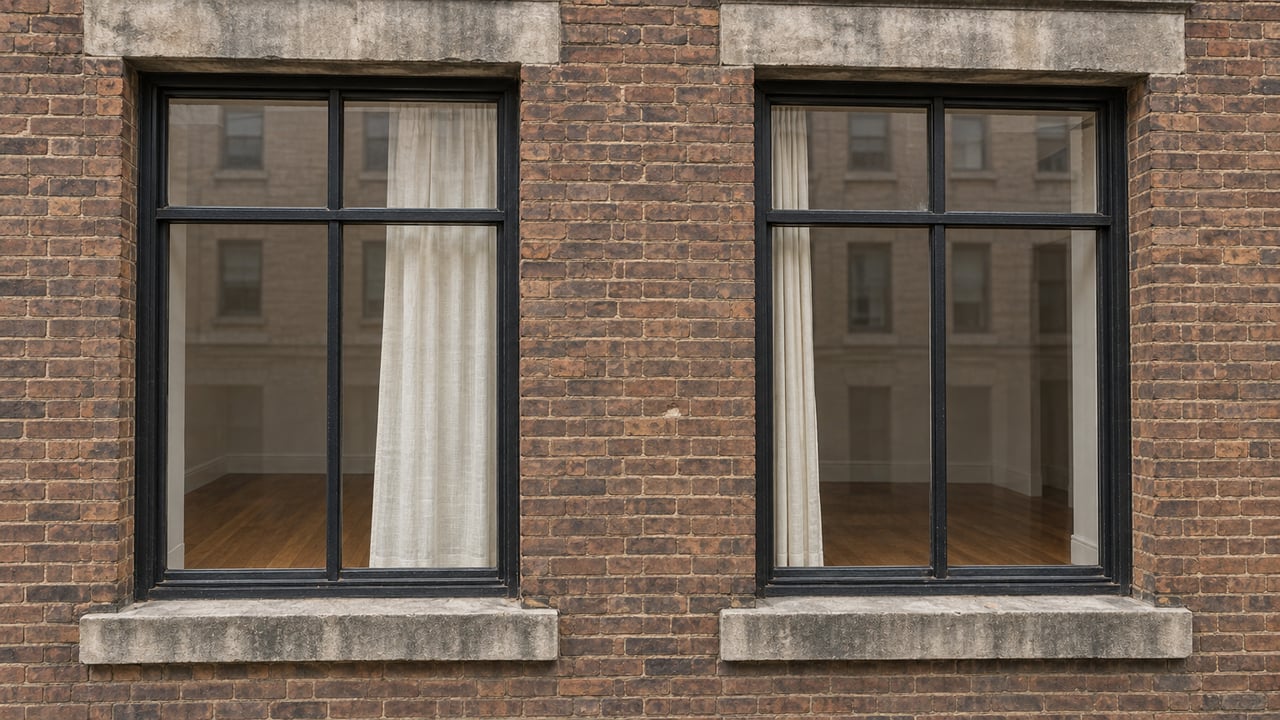
Windows deserve special attention because they are one of the most common seller questions in a brownstone sale. Old windows can look imperfect, but that does not mean replacement is the right move.
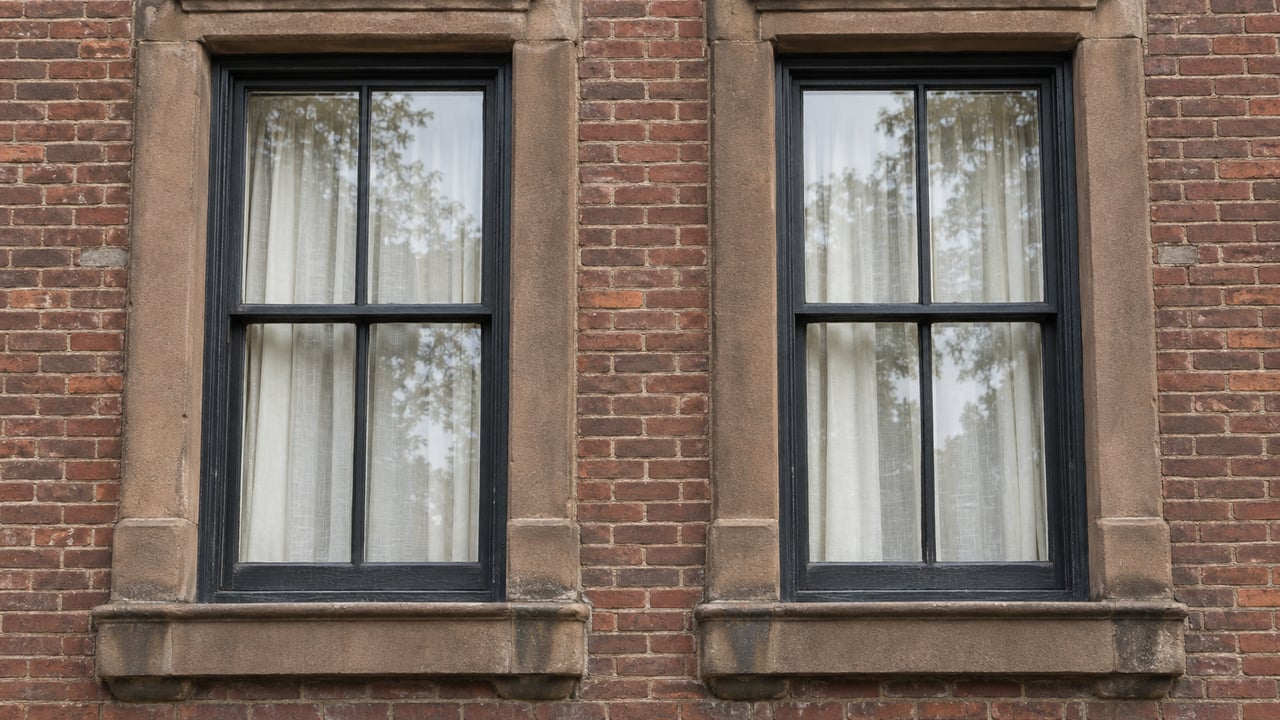
The LPC’s window fact sheet encourages maintenance, repair, and retrofitting of historic windows where possible. Repairs like repainting the same color, weatherstripping, caulking, and replacing broken glass generally do not require a permit. Replacement does require a permit, and the commission looks closely at configuration, finish, details, and sometimes material.
If your windows are drafty or tired, start by asking whether they can be repaired and presented well. In many cases, a cleaned, functioning, properly maintained original window supports the home’s value better than a rushed replacement project.
Modernize selectively
Park Slope buyers often want a home that feels historic but also functional. That means selective updates tend to make more sense than a wholesale pre-sale renovation.
A crisp kitchen presentation, brighter lighting, repaired hardware, and fresh finishes can go a long way. The aim is to reassure buyers that the home has been maintained while preserving the brownstone shell and the details that make it distinctive.
Best places to invest
- Paint and finish work
- Lighting upgrades that suit the home’s style
- Hardware repair or replacement
- Deep cleaning and floor care
- Bathroom refreshes with minimal disruption
- Kitchen decluttering and presentation improvements
Consider a pre-listing inspection
A Park Slope brownstone can be beautiful and still hide expensive issues. That is why a pre-listing inspection is often worth considering before you go to market.
According to the American Society of Home Inspectors, a pre-listing inspection typically covers major systems and components such as heating and cooling, electrical, plumbing, structure, roof, interior, and exterior. For an older home, that early review can help you prioritize repairs, price more accurately, and reduce friction once a buyer does their own inspection.
Why it helps brownstone sellers
- It identifies issues before buyers do
- It helps you budget repairs more strategically
- It can reduce surprise negotiations later
- It supports more informed pricing
- It gives you time to gather contractor input before listing
Do not overlook lead rules
Because many Park Slope brownstones predate 1978, lead-related rules matter whenever paint or old finishes may be disturbed. If you are repainting, sanding, replacing windows, or doing other prep work, this is not an area to treat casually.
The EPA’s lead disclosure guidance states that sellers must provide known information about lead-based paint and related hazards before buyers sign a contract. Buyers must also receive the lead pamphlet, disclosure materials, any available records, a warning statement, and a 10-day opportunity to conduct a lead inspection or risk assessment.
The EPA also states that contractors who are paid to disturb paint in pre-1978 housing must be certified under the Renovation, Repair and Painting rule. That can include painters, carpenters, plumbers, electricians, and window-replacement contractors.
Time your launch thoughtfully
Presentation matters, but timing can matter too. StreetEasy reports that the period between Labor Day and Thanksgiving is typically a busy home-shopping season in New York City, and its fall market report showed Park Slope among the neighborhoods with the highest share of homes sold above asking in September 2025.
At the same time, Realtor.com’s Park Slope market snapshot still points to an active market with 158 listings, median days on market around 50, and a 100% sale-to-list ratio. The takeaway is simple: a well-prepared home can perform well, but your pricing, condition, and launch plan should be sharp.
If you are trying to align with common household routines, the NYC public school calendar for 2025-26 shows school starting September 4, winter recess from December 24 to January 2, midwinter recess from February 16 to 20, spring recess from April 2 to 10, and the last day of school on June 26. For many sellers, avoiding major school breaks and launching in late summer or early fall may help capture stronger attention.
Your Park Slope sale prep checklist
Before photography and showings begin, make sure you have covered the basics:
- Highlight original brownstone details
- Repair visible wear and deferred maintenance
- Deep-clean floors, windows, kitchens, and baths
- Confirm whether any exterior work needs LPC review
- Avoid unnecessary window replacement
- Consider a pre-listing inspection
- Review lead disclosure obligations for pre-1978 housing
- Plan your launch around both permit timing and market timing
Selling a Park Slope brownstone calls for restraint, judgment, and a clear plan. The homes that stand out are usually not the ones that were overworked right before listing. They are the ones that show historic character clearly, present as well maintained, and give buyers confidence that the important issues have been considered. If you want a measured, strategic approach to preparing your property for market, Greg Mire welcomes confidential conversations.
FAQs
Should I replace old windows before selling a Park Slope brownstone?
- Usually not as a first step. The LPC encourages repair and retrofit of historic windows where possible, and replacement generally requires a permit.
Can I repaint the exterior of my Park Slope brownstone before listing?
- Yes, ordinary maintenance like repainting to match the existing color and caulking around windows and doors generally does not require an LPC permit.
Is a pre-listing inspection useful for an older Park Slope brownstone?
- Yes. A pre-listing inspection can identify issues with major systems and structure before buyers uncover them during contract negotiations.
How early should I start exterior work on a landmarked Park Slope brownstone?
- Start early. If LPC review is required, the timeline can extend into months rather than weeks.
What matters most to buyers looking at a Park Slope brownstone?
- In general, buyers respond to a combination of historic character, visible maintenance, and confidence in the home’s major systems and overall condition.