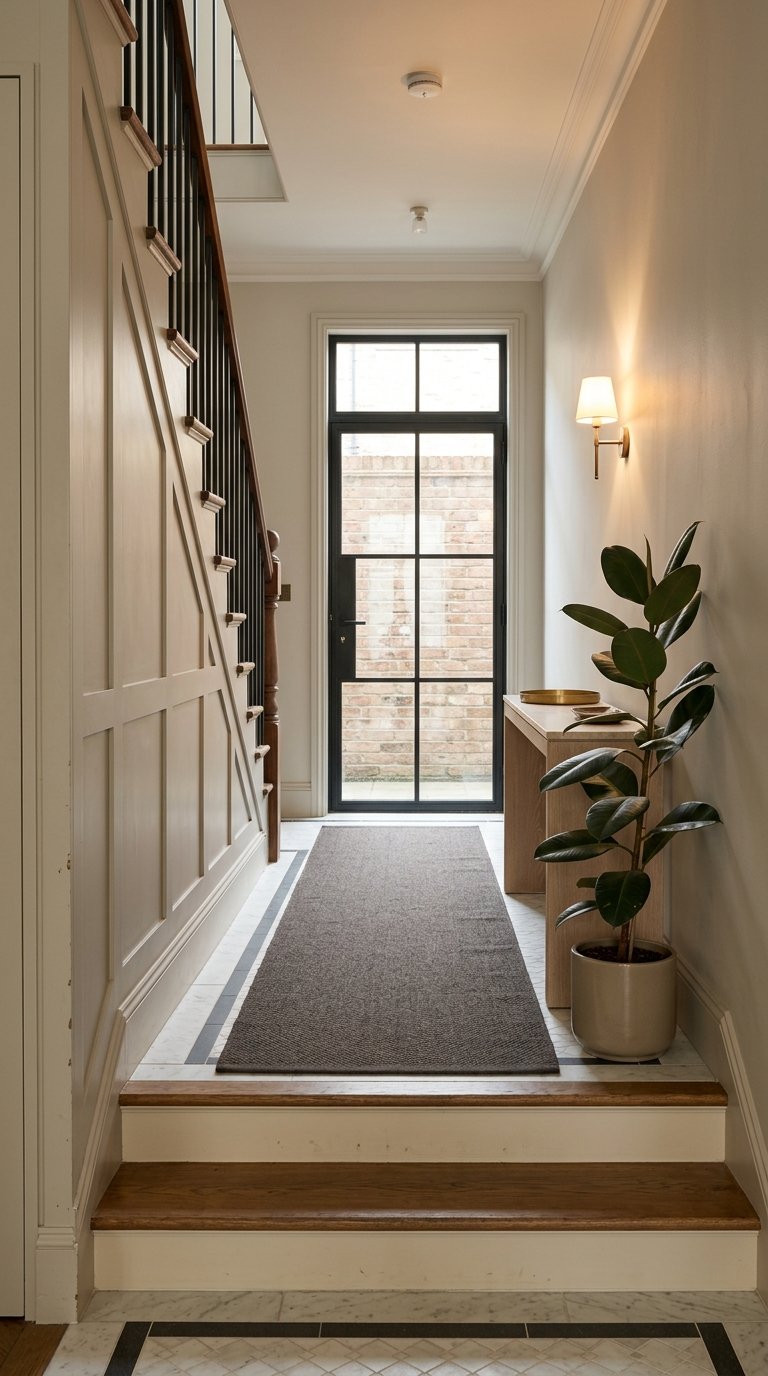
Choosing between a townhouse and a condo in the West Village is not just about price. It is about how much control, privacy, service, and day-to-day responsibility you want in one of Manhattan’s most distinctive residential markets. If you are weighing both options, this guide will help you understand how each property type functions in the West Village and what that can mean for your lifestyle, upkeep, and buying strategy. Let’s dive in.
West Village housing context
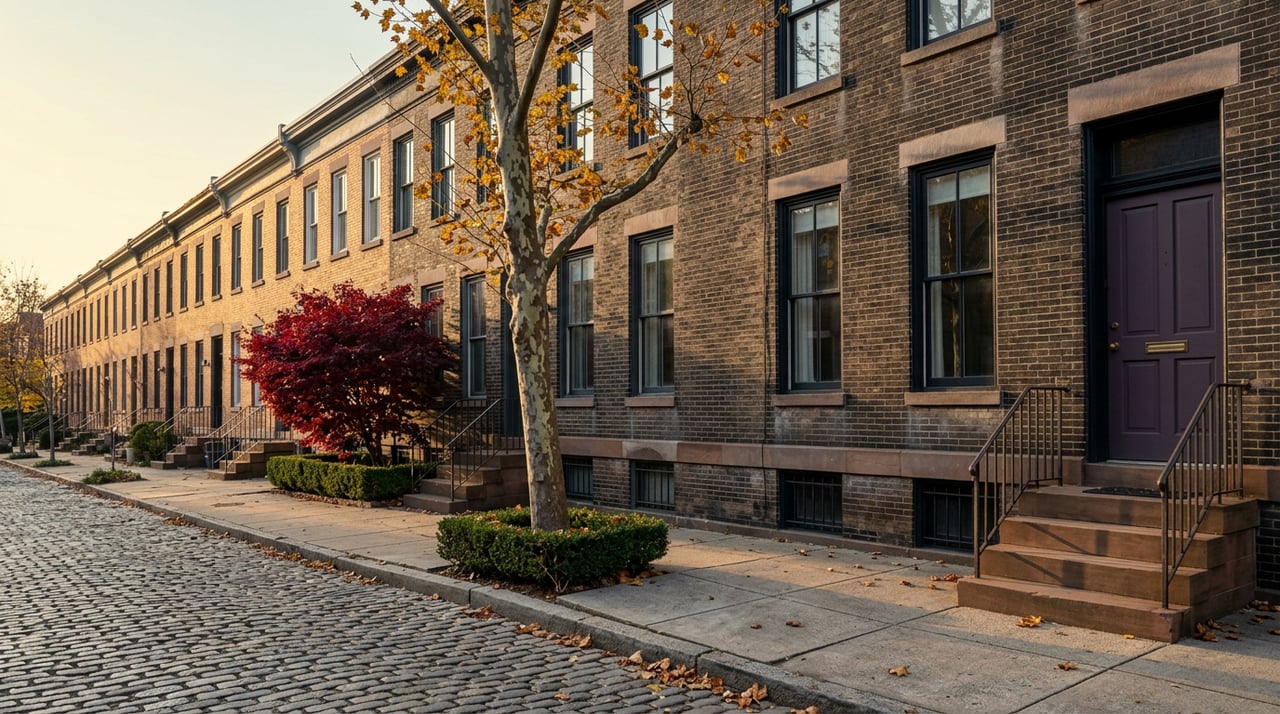
The West Village stands apart from many other Manhattan neighborhoods because it remains largely low-rise and heavily shaped by preservation rules. According to PropertyShark, about 80% of the neighborhood has historic-district protection, and the Landmarks Preservation Commission says the Greenwich Village Historic District was designated in 1969 and remains New York City’s largest historic district.
That matters when you compare townhouse and condo living here. In practical terms, preservation helps explain why the neighborhood has so many rowhouses and boutique conversions, and why exterior changes can be more limited than in less protected parts of the city.
Townhouse living in the West Village
A townhouse in the West Village usually offers the closest thing to house-style living in downtown Manhattan. You are more likely to have a separate front door, greater privacy, and potentially private outdoor space.
That independence is a major draw, but it also comes with direct ownership responsibility. In most cases, townhouse ownership means you are responsible for the structure and lot, including the roof, facade, windows, building systems, and site upkeep.
What ownership responsibility looks like
If you own a townhouse, you should expect to manage maintenance more directly than a condo owner would. New York City’s Department of Housing Preservation and Development says owners must keep common areas and individual units safe and well maintained.
The Department of Buildings also says that many types of work require permits and licensed professionals, including plumbing work and other alterations. If the townhouse is landmarked or located within a historic district, the Landmarks Preservation Commission requires approval before most exterior changes, even in cases where a DOB permit may not be required.
Why buyers choose townhouses
For many buyers, the appeal is straightforward. A townhouse can offer more autonomy, a more private living experience, and a stronger sense of separation from neighboring units.
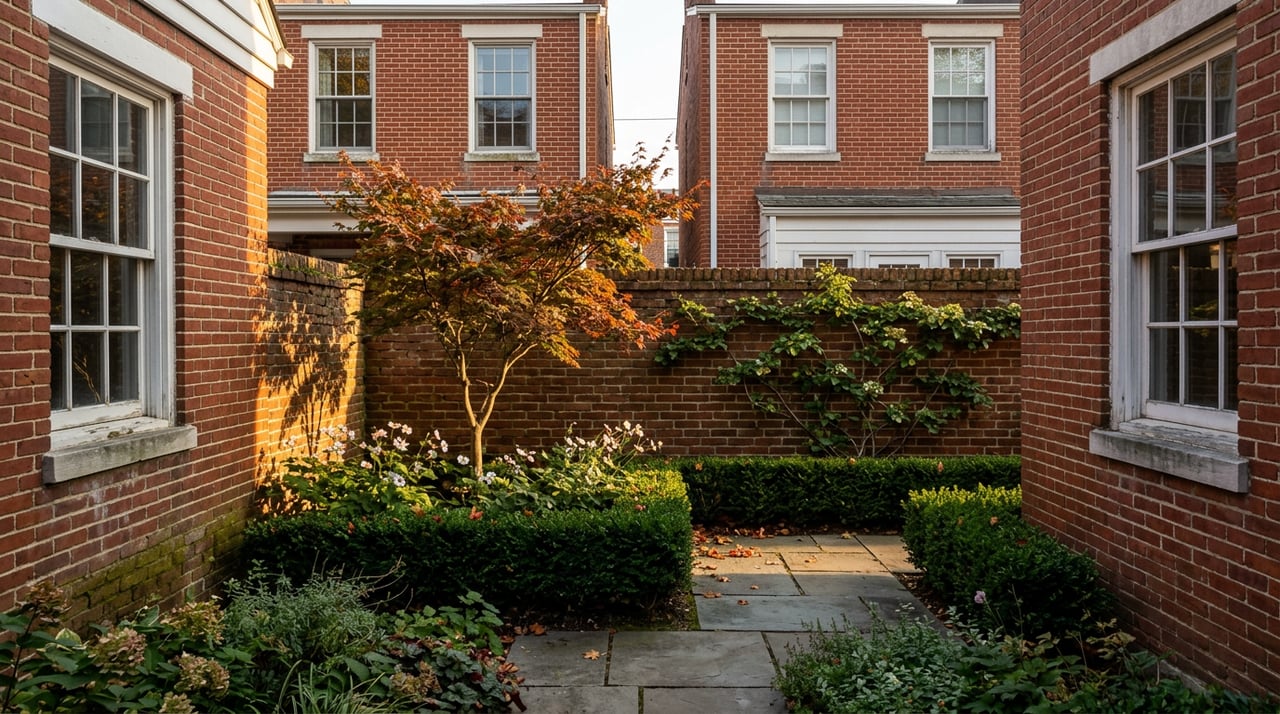
Private outdoor space can be a meaningful part of that appeal. A current West Village townhouse listing at 238 West 11th Street describes a 95-foot-deep lot with a south garden and a large roof deck, which reflects the kind of indoor-outdoor setup many townhouse buyers seek in this neighborhood.
Condo living in the West Village
A condo offers a different value proposition. You own your individual unit, but the building operates under board rules and bylaws that shape how the property is managed.
For many buyers, this tradeoff is worth it. You typically give up some direct control in exchange for building services, shared upkeep, and a more predictable ownership structure.
What condo ownership involves
Condo ownership still comes with rules and obligations. The New York State Attorney General says unit owners must comply strictly with condo bylaws and rules, and condo boards are required to keep records and may file liens for unpaid common charges.
That framework can be helpful if you want less hands-on responsibility. Instead of managing the full building yourself, much of the shared maintenance burden shifts to the board and building management, though you still need to follow building policies and pay common charges.
Why buyers choose condos
In the West Village, condos often appeal to buyers who value convenience and building services. That can include features such as staffed entry, elevators, shared amenities, and building personnel who help manage the property.
A current West Village condo listing at 302 West 12th Street highlights the kind of setup many condo buyers look for, including a 24-hour doorman, live-in resident manager, bike room, central laundry, and planted roof deck. In short, condo living often means more shared amenities and fewer owner-managed building tasks.
Townhouse vs condo: key lifestyle differences
When you compare these property types in the West Village, the decision usually comes down to lifestyle fit more than square footage alone. The right choice depends on how you want to live and how involved you want to be in managing your property.
| Factor | Townhouse | Condo |
|---|---|---|
| Privacy | Typically higher | Usually more shared living environment |
| Entry | Separate front door is common | Shared building entry |
| Outdoor space | Often private if available | More often shared amenities |
| Maintenance responsibility | Mostly owner-managed | More shared through building management |
| Rules and approvals | City and landmark rules may be significant | Building bylaws and board rules apply |
| Services | Fewer built-in services | More likely to include staffing and amenities |
A townhouse may suit you if you want independence, private outdoor space, and a house-like feel. A condo may suit you if you prefer elevator access, staffed services, and lower day-to-day maintenance involvement.
Pricing and inventory in the West Village
The West Village is a high-cost market, but condos and townhouses do not move in the same way. Condo pricing is generally easier to benchmark because there are more transactions and more available inventory.
PropertyShark reported a March 2026 condo median price of $2.8 million based on 10 condo sales in the neighborhood. By contrast, house sales were too limited that month to produce a statistically significant house median, which is an important reminder that townhouse data here can be thin.
That thin inventory shows up in current listings as well. Redfin reports only 8 townhouses for sale in the West Village with a median listing price of $5 million, while its neighborhood page says there were 162 condos and 12 townhouses for sale last month.
Why townhouse pricing can be harder to read
Townhouses are a smaller and more variable market. That makes side-by-side comparisons more difficult, especially in a neighborhood where lot size, renovation quality, outdoor space, and landmark status can meaningfully affect value.
Brown Harris Stevens found that Manhattan townhouse sales in 2025 had a median of $5.5 million, an average of $7.06 million, and an average of 196 days on market. That broader Manhattan pattern supports what buyers often see in the West Village: townhouses can be scarcer, slower-moving, and less uniform than condos.
How landmark rules affect your choice
In the West Village, preservation is not a side issue. It can shape what you buy, what you can change, and how long certain projects may take.
If you are considering a townhouse, historic-district rules may affect exterior work such as facade changes, windows, roof elements, and other visible alterations. If you are considering a condo, those building-level issues are often handled through the board and building management, though the building itself may still be subject to the same broader neighborhood context.
This is one reason the best fit often comes down to your comfort with approvals and hands-on management. In a heavily landmarked neighborhood with limited townhouse supply, the better option is often the one that best matches your tolerance for complexity.
Which option may fit you best
There is no universal winner between a townhouse and a condo in the West Village. Each option serves a different kind of buyer and a different daily routine.
A townhouse may be the better fit if you want more direct control over your home, value privacy, and are comfortable managing maintenance and approvals. A condo may be the stronger fit if you want building services, a more shared maintenance structure, and a home that may require less direct oversight.
In the West Village, that choice tends to be especially personal because the neighborhood offers both charm and constraints. Understanding how ownership works here can help you focus less on labels and more on the living experience you actually want.
If you are evaluating a purchase in a nuanced market like the West Village, a measured, property-specific review can help clarify the tradeoffs. For a confidential consultation, connect with the Greg Mire Team.
FAQs
What is the main difference between a townhouse and a condo in the West Village?
- A townhouse usually gives you more privacy and direct control, while a condo typically offers more shared services, building management, and common-area amenities.
What maintenance responsibilities come with a West Village townhouse?
- In most cases, you are responsible for the roof, facade, windows, systems, and lot upkeep, and certain work may require permits, licensed professionals, or landmark approval.
What rules apply when you own a West Village condo?
- Condo owners must follow the building’s bylaws and rules, pay common charges, and operate within a board-managed ownership structure.
How do historic-district rules affect West Village homes?
- Because much of the neighborhood is within a historic district, many exterior changes, especially on townhouses, may require review and approval from the Landmarks Preservation Commission.
Are townhouses more expensive than condos in the West Village?
- Available data suggests townhouses are generally priced higher and are harder to benchmark because inventory and closed sales are much thinner than the condo market.
Why do some buyers prefer condos in the West Village?
- Many buyers choose condos for convenience, including shared maintenance, staffed services, elevator access, and amenities that reduce day-to-day ownership demands.