Trying to choose between a Prospect Heights brownstone and a new condo? You are not alone. In this part of Brooklyn, both options can make a strong case, and the right fit often comes down to how you want to live, what level of upkeep you can handle, and how much flexibility you want over time. This guide breaks down the tradeoffs so you can compare character, convenience, pricing signals, and resale dynamics with more confidence. Let’s dive in.
Prospect Heights Offers Two Distinct Paths
Prospect Heights stands out because it is not just one thing. The neighborhood includes a historic mix of row houses and apartment buildings, and its built environment reflects development from the mid-19th century through the early 20th century. The Prospect Heights Historic District, designated in 2009, includes 850 buildings and is known for its preserved scale, tree-lined streets, and varied historic architecture.
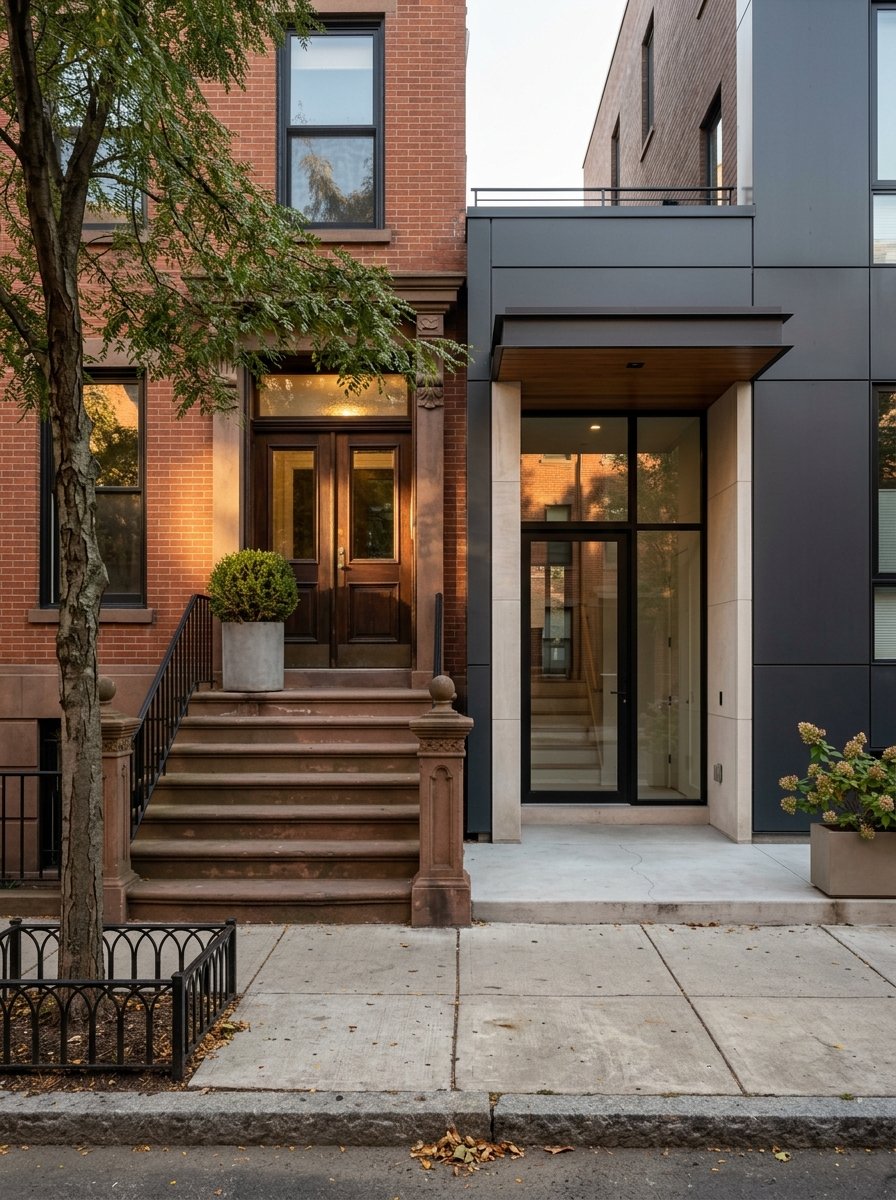
At the same time, newer housing has become a meaningful part of the local market. The BK08 profile, which combines Crown Heights and Prospect Heights as the closest public proxy, shows 5,751 new housing units added from 2010 to 2024, with 70% of those units market rate. That blend of historic homes and newer buildings helps explain why buyers are often deciding between two very different ownership experiences in the same neighborhood.
Prospect Heights also supports demand with strong location fundamentals. The BK08 profile shows that 81.6% of commuters used a car-free commute in 2023, and the neighborhood sits near Prospect Park, the Brooklyn Museum, and BAM. If you want a home in a walkable, transit-oriented part of Brooklyn, both brownstones and condos can offer that.
What a Brownstone Really Means
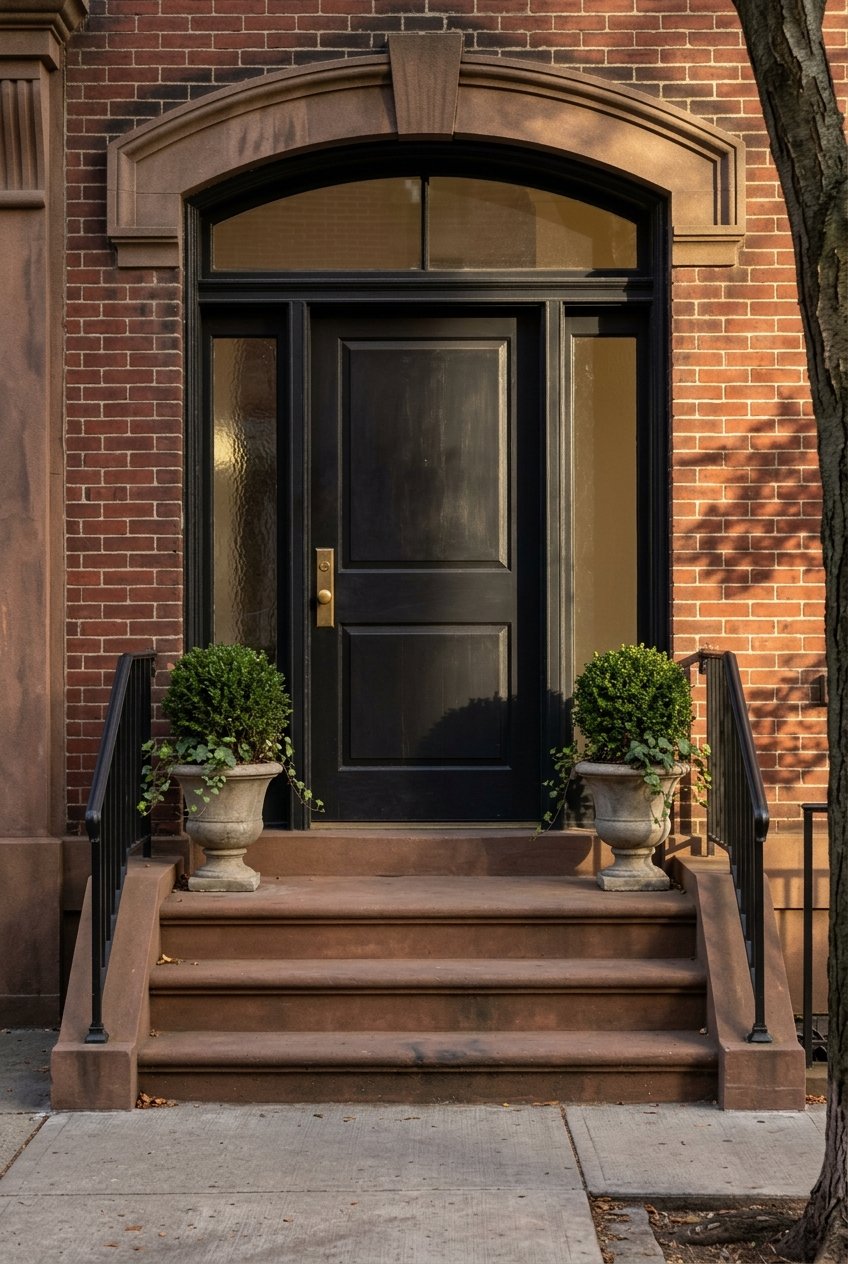
In Prospect Heights, a brownstone purchase usually means a historic rowhouse or townhouse-style home, not just a brown facade. These homes are part of the neighborhood’s defining streetscape and often appeal to buyers who want architectural detail, multi-level living, and a stronger sense of individuality. You are often buying into a specific block experience as much as a floor plan.
That appeal is tied to the neighborhood’s physical character. City planning documents describe the area as cohesive because of its scale, architectural integrity, tree-lined streets, and strong residential feel. For many buyers, that translates into a home that feels distinctive and rooted in place.
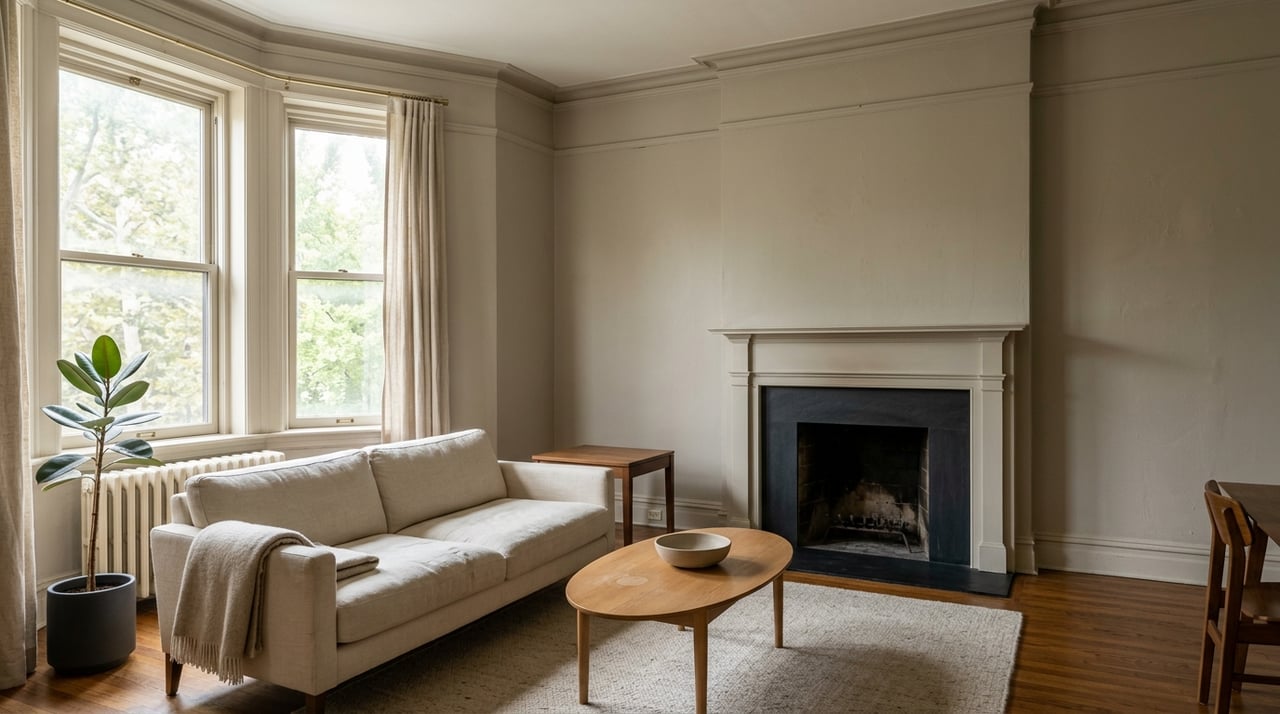
Brownstones can also offer more flexibility in how you use space. Multi-level layouts may support separate work areas, guest space, storage, or a different rhythm of daily living than a single-floor condo. If customization matters to you, this category often has more upside.
Brownstone Advantages
If you are drawn to a brownstone, these are often the biggest benefits:
- Historic character and original architectural detail
- Multi-level living with a less standardized layout
- A stronger sense of privacy and control over your space
- Potential to customize over time
- Scarcity within a well-known historic setting
That last point matters. Brownstones in Prospect Heights are not interchangeable. Their limited supply can make them feel more like long-term ownership assets than simple move-in products.
Brownstone Tradeoffs
The tradeoff is responsibility. Older homes usually require more hands-on ownership, and landmark rules can add another layer to renovation planning. If the property is designated, the Landmarks Preservation Commission requires permits for work affecting the exterior and, in some cases, the interior.
That does not mean you should avoid a brownstone. It means you should expect a more regulated process if you want to make changes, especially to visible historic features. A brownstone tends to work best if you are comfortable managing maintenance, planning ahead, and treating the home as an active long-term project.
What You Are Buying With a New Condo
New condos in Prospect Heights are part of a broader wave of larger-scale residential development. The BK08 profile shows substantial growth in 4+ unit buildings from 2010 to 2024, and in 2024 alone, 146 residential units were authorized by new building permits while 482 units received certificates of occupancy. That pipeline has expanded the neighborhood’s condo options.
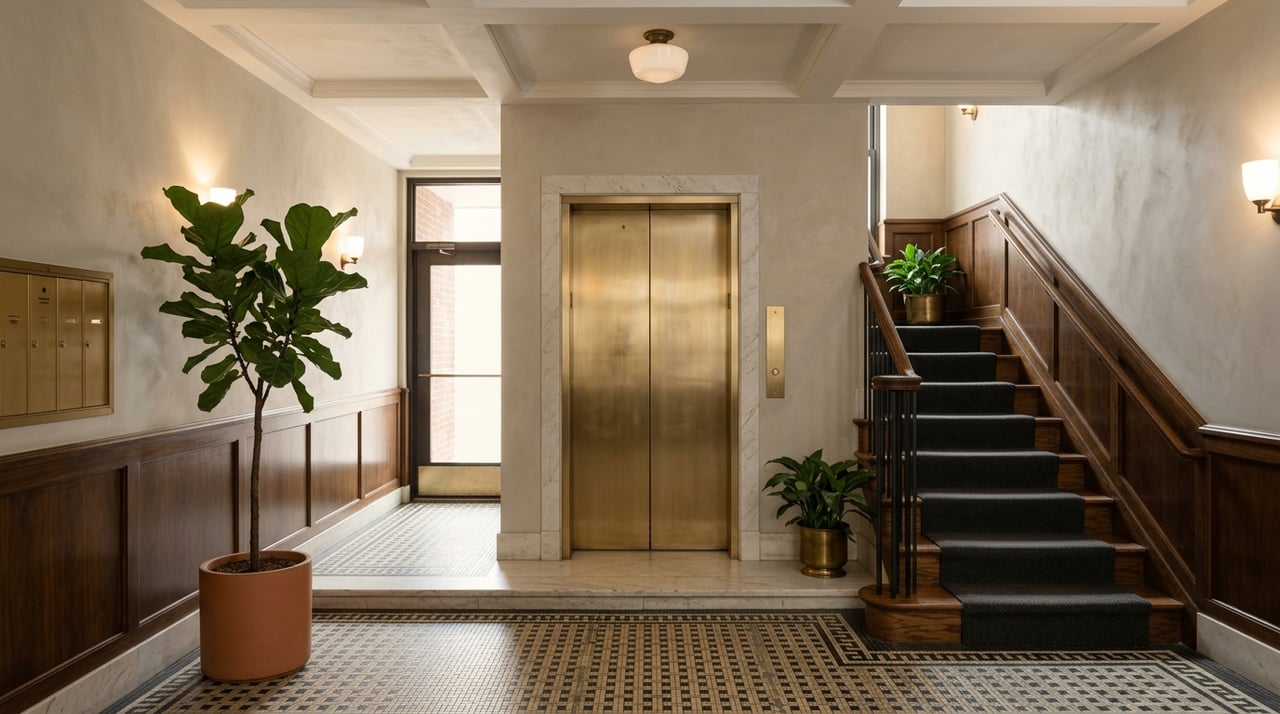
For many buyers, the core appeal is predictability. A new condo often offers a more standardized layout, newer systems, and fewer immediate maintenance decisions. If you want a more turnkey purchase in Prospect Heights, a condo may feel simpler from day one.
That simplicity still requires due diligence. The New York State Attorney General advises buyers to rely on the offering plan rather than marketing language, because amenities and ancillary spaces are only required if they are promised there. The same guidance recommends reviewing the building description, appliances, and common areas carefully before closing.
Condo Advantages
A new condo may be a better fit if you value:
- Move-in ready condition
- Newer building systems
- More predictable day-to-day ownership
- Shared maintenance responsibilities
- Standardized layouts that are easier to compare
This can be especially appealing if you want to focus more on lifestyle and less on project management. In a neighborhood as active as Prospect Heights, that ease can carry real value.
Condo Tradeoffs
With condos, your due diligence shifts from the house itself to the building and its governing documents. In new construction, that means close review of the offering plan and sponsor commitments. In resale condos, it means looking at maintenance history, board minutes, financial reports, and possible future capital needs.
The Attorney General notes that expensive building issues can involve facades, roofs, elevators, plumbing, electrical systems, and boilers. So while condo ownership may reduce direct maintenance decisions, it does not eliminate building risk. It simply spreads those issues across a shared ownership structure.
Pricing and Resale Signals in Prospect Heights
Prospect Heights remains a high-priced Brooklyn submarket. PropertyShark reports that in April 2026, the neighborhood’s median home sale price was $1.62 million, with a median price per square foot of $1,580. In that same month, condo sales had a median sale price of $1.5 million, though the sample size was small at 12 transactions.
Public sales data also suggest condos trade more frequently than classic townhouse-style homes. In 2024, the BK08 profile shows 101 condo sales, compared with 86 sales of 2 to 4 family buildings and 10 sales of 1-family buildings. That does not prove condos are the better investment, but it does point to a deeper resale pool and more sales comparables.
Long-term price growth has been strong across property types. The BK08 profile shows residential property prices rising 146% since 2009 overall. In 2024, median sales price per unit was $1.1015 million for condominiums, $681,860 for 2 to 4 family buildings, and $1.856 million for 1-family buildings.
Brownstones vs New Condos at a Glance
Here is a simple way to think about the tradeoff:
| Feature | Brownstones | New Condos |
|---|---|---|
| Ownership feel | More independent | More shared |
| Layout | Often multi-level and unique | More standardized |
| Maintenance | More direct owner responsibility | More building-level responsibility |
| Renovation potential | Often higher, but more regulated | Usually more limited at first |
| Historic character | Strong | Varies by building |
| Resale pool | More limited but often distinctive | Typically broader and easier to comp |
In practical terms, brownstones often act like scarcity assets, while condos often behave more like liquidity assets. Neither is automatically better. The right choice depends on condition, carrying costs, layout, and how you want to live.
How to Choose the Right Fit
A brownstone may be the better option if you want historic charm, more space spread across levels, and room to customize over time. It can also make sense if you are comfortable with maintenance, longer planning timelines, and the approval process that may come with a designated property.
A new condo may be the better option if you want convenience, fewer immediate repair decisions, and a more straightforward move-in experience. It may also suit you if you prefer clearer upfront disclosures and a building structure where many systems are handled collectively.
The key is to match the property type to your ownership style. If you are preservation-minded and enjoy the idea of shaping a home over time, a brownstone may feel rewarding. If you want a cleaner operational experience in the same neighborhood, a condo may align better.
A Smart Prospect Heights Strategy
In Prospect Heights, both paths can make sense because the neighborhood supports both. Historic rowhouses connect you to the area’s preserved architectural fabric, while newer condos let you access the same location with a different ownership model. In both cases, the neighborhood’s transit access, cultural institutions, and sustained housing demand help support long-term interest from buyers.
Your decision should not start with what sounds more prestigious. It should start with how much complexity you want, how long you expect to stay, and what kind of home experience you want day to day. When you view the choice through that lens, the right answer usually becomes much clearer.
If you are weighing a Prospect Heights brownstone against a new condo, a disciplined, property-specific review matters more than broad assumptions. The Greg Mire Team can help you evaluate the tradeoffs with a measured, informed approach.
FAQs
What is the main difference between a Prospect Heights brownstone and a new condo?
- A brownstone usually offers more historic character, multi-level living, and customization potential, while a new condo usually offers a more turnkey setup, newer systems, and shared building maintenance.
Are Prospect Heights brownstones harder to renovate than condos?
- They can be, especially if the property is designated and exterior work requires Landmarks Preservation Commission approval.
Do condos resell more often than brownstones in Prospect Heights?
- Public data from the BK08 profile suggest condos trade more frequently, with 101 condo sales in 2024 compared with 86 sales of 2 to 4 family buildings and 10 sales of 1-family buildings.
Is Prospect Heights a strong market for both condos and brownstones?
- Public data indicate strong long-term price growth across property types, with overall residential property prices in the BK08 area up 146% since 2009.
What should you review before buying a new condo in Prospect Heights?
- You should review the offering plan, building description, appliances, common areas, and, for resale condos, board minutes and financial reports for signs of future repair or capital needs.
Who should consider buying a brownstone in Prospect Heights?
- Buyers who value historic detail, more flexible space, and long-term customization, and who are comfortable with maintenance and a more involved ownership experience, may find a brownstone to be the better fit.