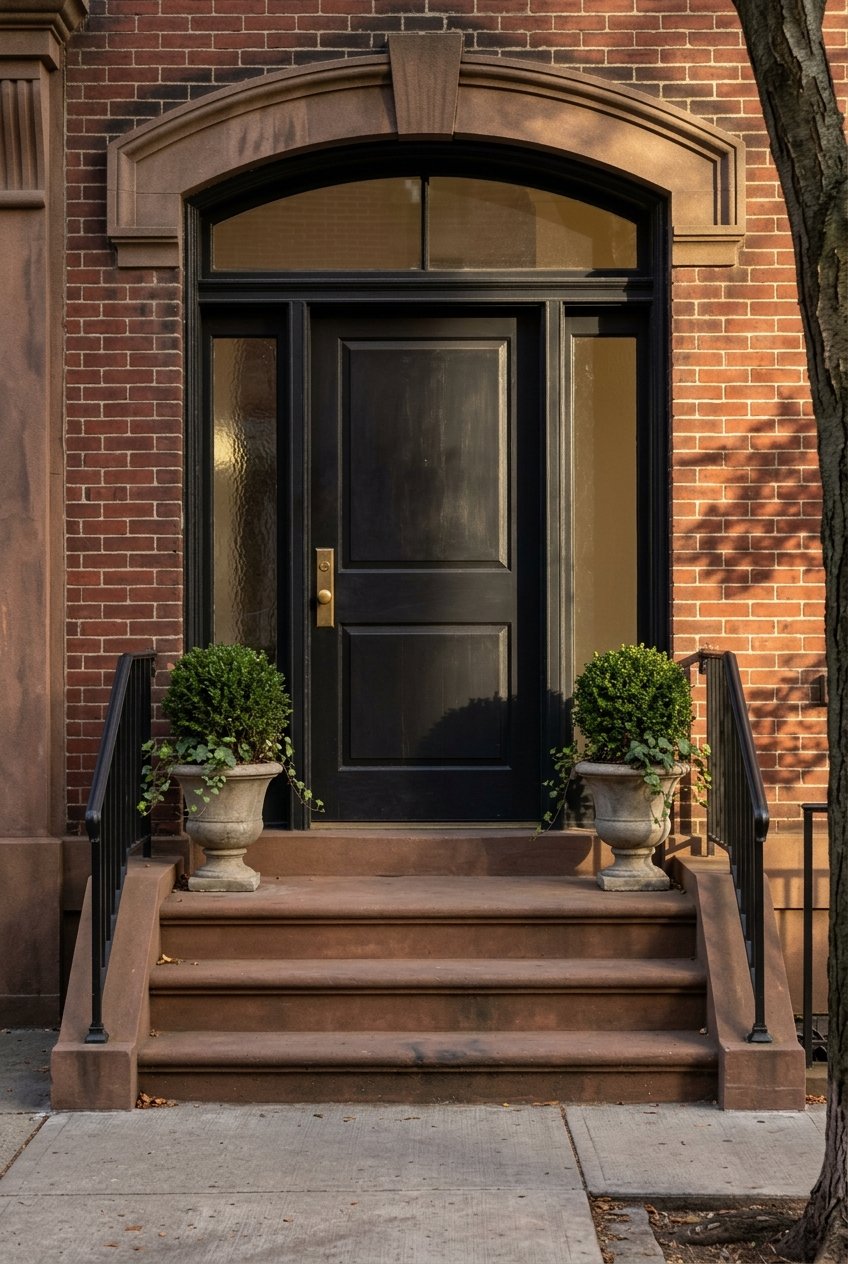
Wondering how to price a Park Slope townhouse without leaving money on the table or watching your listing go stale? In this neighborhood, pricing is rarely about a single headline number. If you own a brownstone or brick rowhouse in Park Slope, you need a strategy built around your home’s specific block, condition, configuration, and historic context. Let’s dive in.
Why Park Slope pricing is different
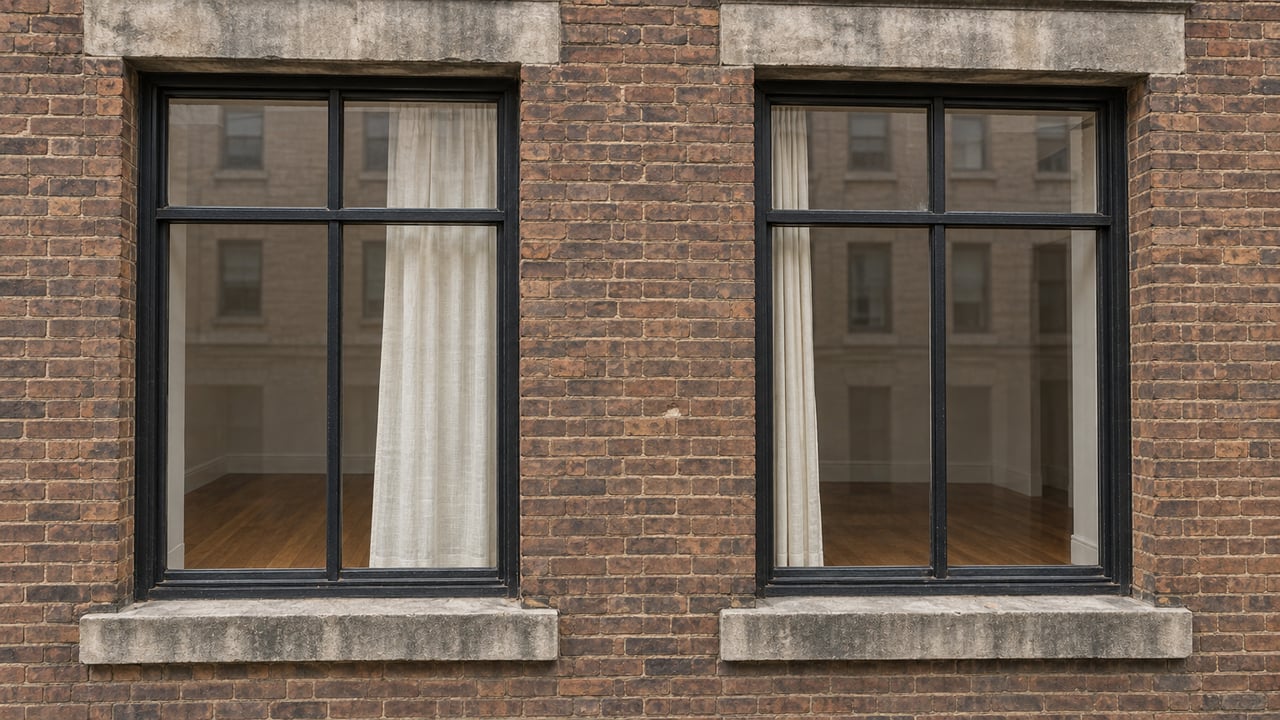
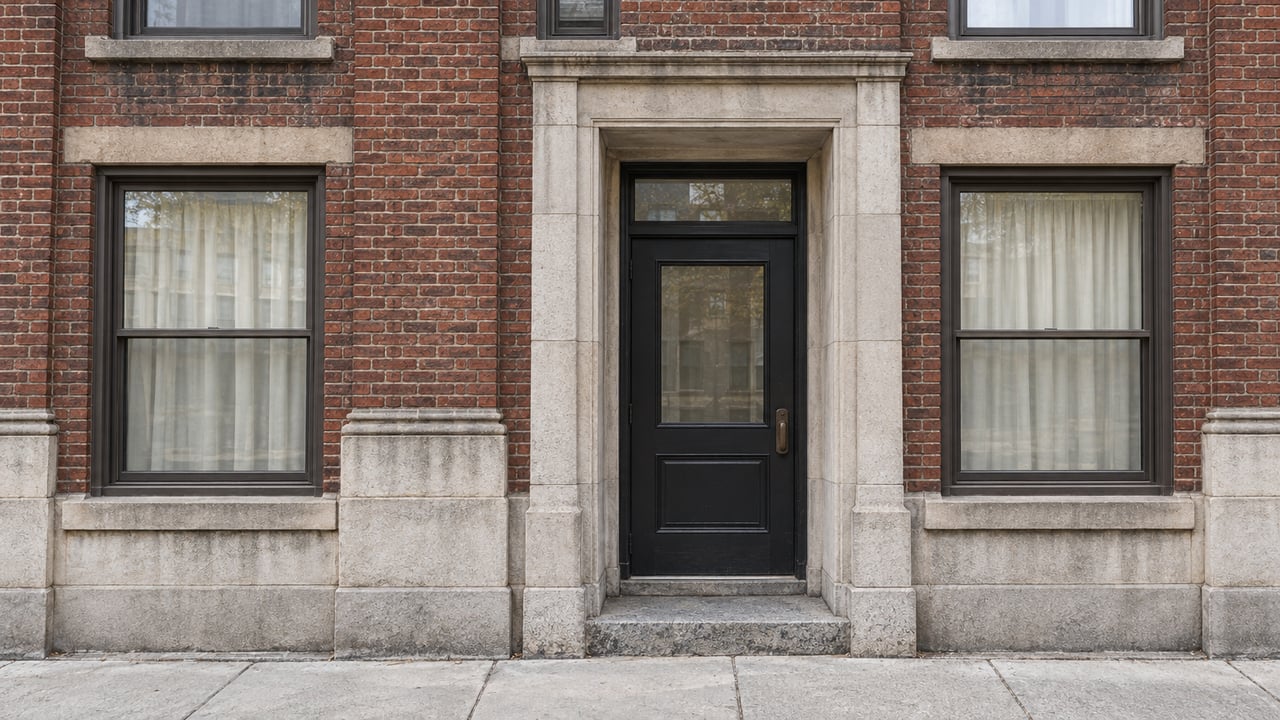
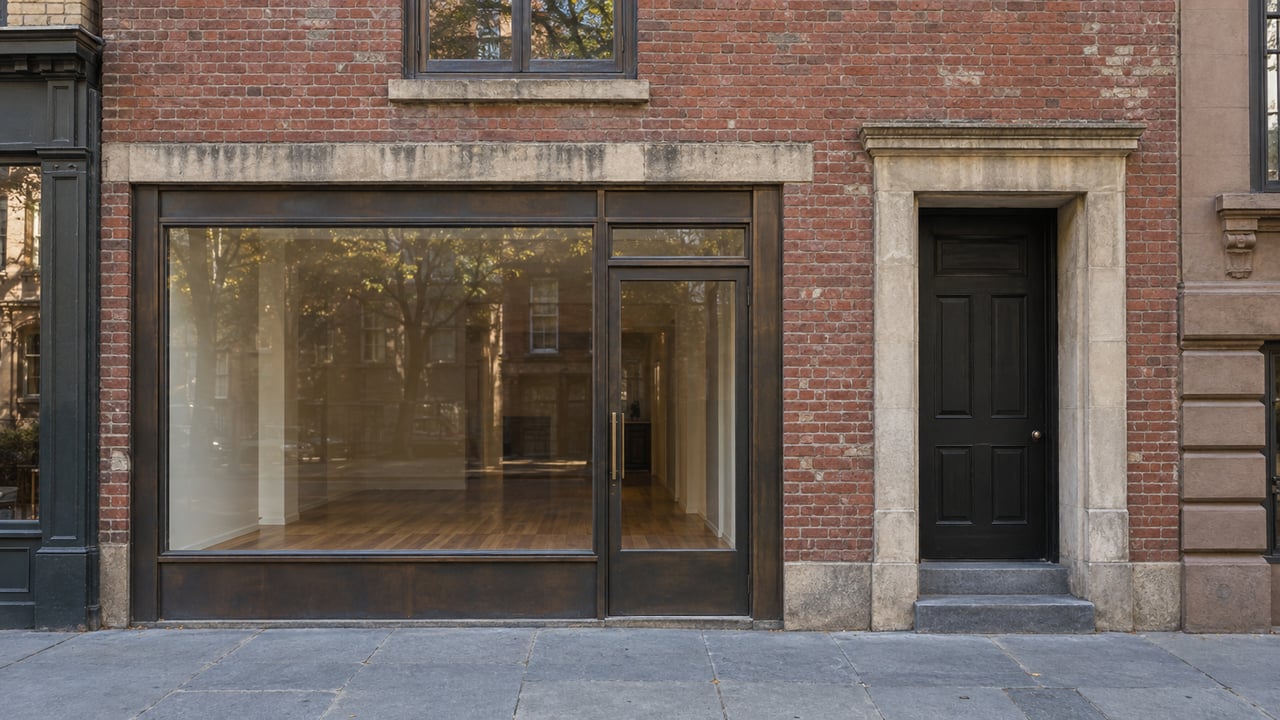
Park Slope is not a one-price neighborhood, especially for townhouses. The area is known for its late-19th- and early-20th-century rowhouses, and much of the neighborhood sits within the Park Slope Historic District, which was established in 1973 and covers 44 blocks to preserve the historic scale of the brownstone blocks.
That matters because buyers are not just comparing square footage. They are also weighing original detail, landmark context, block feel, and how easily a similar property could come to market again. In Park Slope, scarcity is part of value.
Start with townhouse-only comps
One of the biggest pricing mistakes is relying too heavily on broad neighborhood medians. Recent market snapshots for Park Slope show blended figures such as median listing prices around $1.52 million, median sale prices around $1.8 million to $1.9 million, and different average days on market depending on the source.
Those numbers are useful for general market context, but they mix condos, co-ops, and houses. For a townhouse owner, that blend can be misleading. A townhouse should be priced against other townhouses, not against the entire Park Slope housing stock.
What your comp set should match
Your most useful comparisons should line up as closely as possible on a few core points:
- Similar block or nearby blocks with a comparable setting
- Similar width, such as a 20-foot-wide house versus a narrower home
- Similar legal configuration, such as single-family, two-family, or three-family
- Similar renovation level and mechanical condition
- Similar amount of preserved original detail
A townhouse in move-in-ready condition on a prime block is not competing with a full-gut project several blocks away. Park Slope buyers usually understand those differences, and your pricing should reflect that.
Condition can swing value dramatically
In Park Slope, condition is often one of the biggest pricing drivers. The gap between a carefully updated townhouse with intact period detail and a house that needs a full gut renovation can be enormous.
Recent examples make that clear. One Park Slope townhouse at 54 Berkeley Place was marketed around $3.05 million as an as-is full-gut opportunity in the landmark district. At the same time, renovated and well-located homes in Park Slope have continued to command strong pricing, especially when original features remain intact.
Original detail adds more than charm
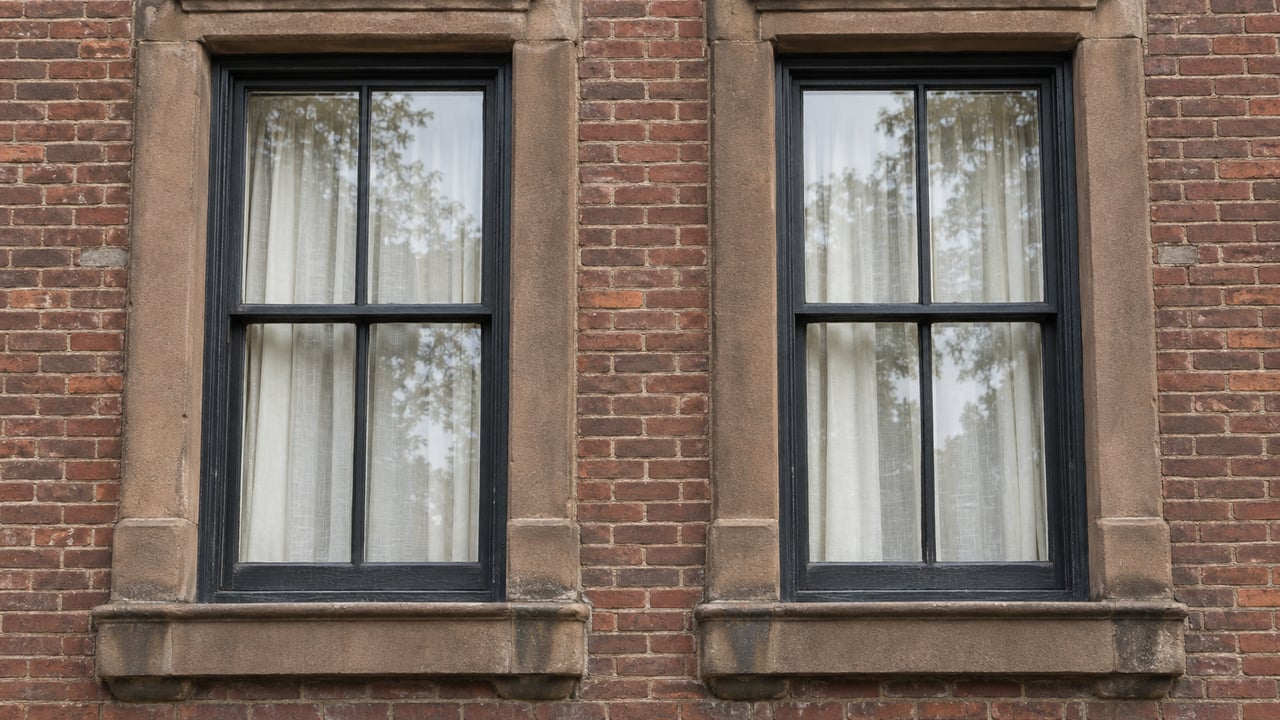
Features like plasterwork, mantels, wainscoting, pier mirrors, built-ins, and historic millwork are not just nice extras. In a landmarked brownstone neighborhood, they can be central to the home’s value story.
That is partly because much of Park Slope sits in a historic district where exterior changes are regulated. According to the Landmarks Preservation Commission, exterior restoration, alteration, reconstruction, demolition, or new construction affecting a building in a historic district requires a permit, although ordinary exterior repairs and maintenance may not. For buyers, that can make preserved original character feel harder to replace and more valuable.
Width and layout shape the buyer pool
Not all townhouses appeal to the same buyers. Width, square footage, and layout can materially affect demand and pricing.
For example, recent Park Slope listings and sales included a 20-foot-wide townhouse at 428 7th Street asking $3.995 million, a 20-foot-wide three-family townhouse at 409 Bergen Street that sold for $3.6 million, and the 3,600-square-foot Berkeley Place full-gut project. These examples show that a townhouse is not a single product category.
Why configuration matters
A single-family townhouse may appeal to one buyer segment, while a legal multi-family property may appeal to another. A home with an awkward layout, lower garden-level utility, or deferred maintenance may need a more momentum-driven launch price to attract early activity.
By contrast, if your townhouse has a rare width, strong flow, preserved detail, and a highly usable configuration, it may support a more ambitious pricing strategy. The key is whether the market will view your home as easily replaceable or genuinely scarce.
Block and park proximity influence pricing
In Park Slope, location means more than the neighborhood name. Block quality and proximity to Prospect Park can influence buyer perception and pricing power.
Recent examples highlight this pattern. The townhouse at 428 7th Street was described as being just two blocks from the park, and 593 4th Street was described as near Prospect Park on one of the neighborhood’s standout blocks. While every sale depends on multiple factors, homes closer to the park and surrounded by intact historic character often have stronger pricing support.
Prime blocks can justify a premium
If your townhouse is on a block with strong historic continuity, limited turnover, and consistent buyer appeal, that can support a premium over a similar home in a less compelling location. This is especially true when the home’s condition and detail match the block.
That does not mean every seller should push for the top of the range. It means your address should be evaluated as part of a micro-market, not just as “Park Slope.”
Know when to price aspirationally
An aspirational price can work in Park Slope, but only under the right conditions. The neighborhood supports a wide price band, from roughly $3 million renovation opportunities to exceptional homes that sell far above that.
The clearest example is 535 1st Street, which sold for $13.9 million in September 2025 and set a neighborhood record. That sale shows how far prices can stretch when a property is unusually rare.
When a premium strategy makes sense
You may have room to price aspirationally if your townhouse offers most of the following:
- Prime block placement
- Close proximity to Prospect Park
- Strong renovation quality
- Intact period detail
- Rare width or scale
- A configuration that buyers cannot easily find elsewhere
If your home checks those boxes, buyers may accept a higher ask because the replacement options are limited. In that case, pricing is about scarcity as much as comparable numbers.
Know when sharper pricing wins
Not every Park Slope townhouse should launch with a reach number. In a selective market, buyers can be quick to notice overpricing.
Brooklyn townhouse reporting from 2025 and spring 2026 points to a market with tight inventory but careful buyer behavior. Well-priced homes can still draw strong early attention and even bidding wars, while aspirationally priced listings may sit, lose momentum, and develop stigma.
Why time on market matters
Once a listing lingers for several weeks, leverage can shift toward buyers. Some buyers begin to wait for a price reduction before engaging, which can weaken your position even if the home itself is desirable.
If your townhouse has deferred maintenance, a less flexible layout, smaller scale, or a weaker block position, sharper initial pricing may be the better strategy. A strong launch often creates more negotiating power than a late correction.
Price before you plan cosmetic fixes
If you are thinking about exterior work before listing, bring landmark considerations into the conversation early. In Park Slope’s historic district, Landmarks Preservation Commission rules can affect what changes are allowed, how long approvals take, and what a buyer will see as future upside.
That means pricing should account for the property as it will actually be delivered to market, not just as an idealized post-project version. In some cases, buyers may pay for preserved authenticity. In others, they may discount for work they know will involve time and approvals.
A practical pricing framework for sellers
If you want to price your Park Slope townhouse with confidence, focus on a disciplined framework instead of neighborhood averages.
Use this Park Slope pricing checklist
- Start with townhouse-only recent sales and current competition
- Match width, configuration, block, and renovation level as closely as possible
- Separate preserved, move-in-ready homes from full-gut or heavy-update properties
- Factor in park proximity and block quality
- Consider whether your home is truly scarce or simply nice
- Price for launch momentum if the property is not best-in-class
- Review any landmark-related exterior issues before setting expectations
This kind of analysis gives you a more defensible ask and a clearer message to buyers. It also helps you avoid the two biggest risks: underpricing a rare asset or overpricing an ordinary one.
The goal is precision, not optimism
In Park Slope, the best pricing strategy is usually the one that feels most precise, not most aggressive. Buyers in this market can recognize quality, but they also compare carefully and respond to value.
If you price from a townhouse-specific comp set, account for condition and historic character, and stay honest about your home’s block and configuration, you give yourself the best chance of a strong result. For a discreet, strategic conversation about positioning a unique asset, contact the Greg Mire Team.
FAQs
How should you price a Park Slope townhouse compared with condos or co-ops?
- You should not rely on blended Park Slope medians alone because condo, co-op, and house data measure very different products. A townhouse needs a townhouse-only comp set.
What factors matter most when pricing a Park Slope townhouse?
- The biggest factors are block location, park proximity, width, legal configuration, condition, renovation level, and preserved period detail.
Why does historic district status matter for Park Slope townhouse pricing?
- Historic district status matters because exterior changes may require Landmarks Preservation Commission permits, which can affect cost, timing, and how buyers value original fabric and future renovation potential.
When should a Park Slope townhouse use an aspirational asking price?
- An aspirational price works best when the home is truly scarce, such as a prime block townhouse with strong renovation, intact detail, rare width, and a hard-to-replicate setup.
What happens if a Park Slope townhouse is priced too high at launch?
- If a townhouse sits on the market for several weeks, buyers may gain leverage and wait for a reduction, which can hurt momentum and weaken your negotiating position.