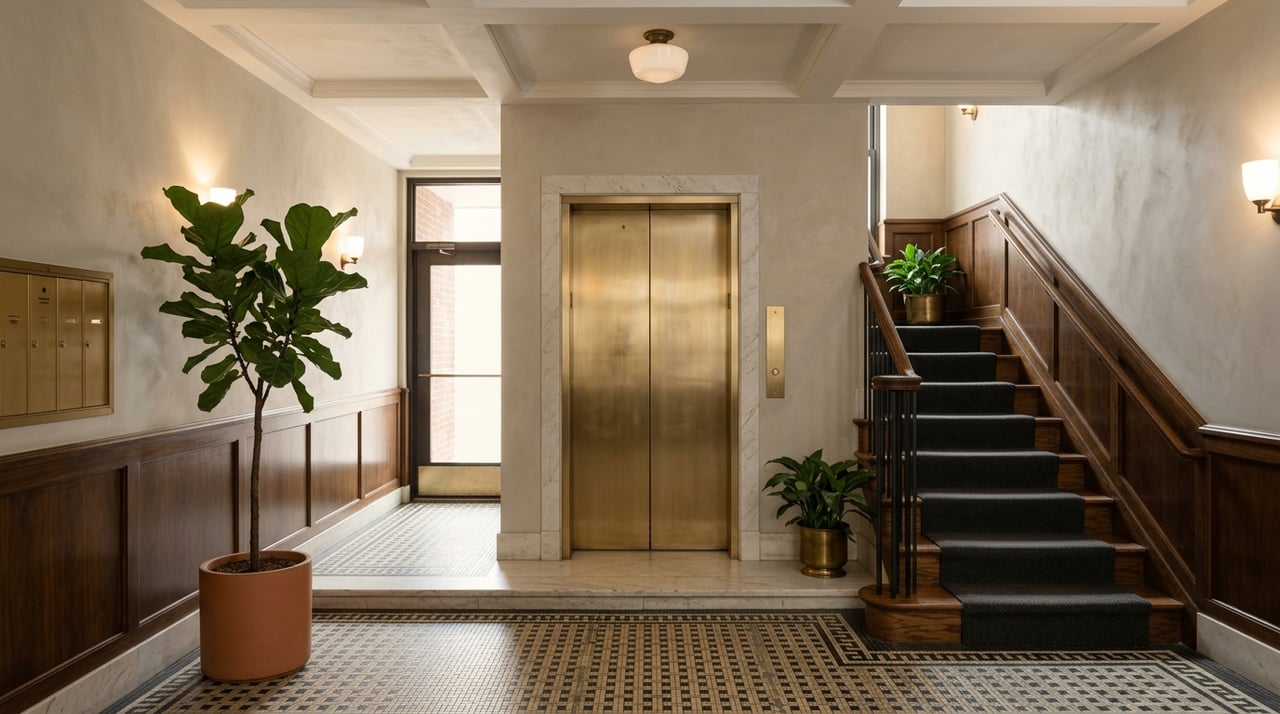
If you picture Greenwich Village as one kind of home, you will probably miss what makes it so livable. The neighborhood stands out because preservation protected a wide mix of older buildings instead of letting one housing type take over. If you are trying to match charm with your real daily routine, understanding those differences can save you time, money, and stress. Let’s take a practical look at how Greenwich Village housing styles fit everyday living.
Why Greenwich Village Feels So Varied
Greenwich Village has an unusual range of homes because much of its historic fabric stayed in place. The Greenwich Village Historic District was designated in 1969, covers more than 2,000 buildings across 65 blocks, and remains the largest historic district in New York City.
That preservation helps explain why you still see rowhouses, brownstone-fronted townhouses, older walk-ups and tenements, and later apartment-house and condo additions in the same area. Instead of one dominant housing style, the Village offers a layered streetscape shaped by different eras of residential design.
For you as a buyer, that means your daily experience can change a lot from one block, building, or even unit to the next. Two homes with similar square footage may feel completely different once you factor in stairs, privacy, light, monthly charges, and building rules.
Building Form vs Ownership
Before comparing housing styles, it helps to separate how a building is built from how a home is owned. In New York, a co-op buyer purchases shares in a corporation along with a proprietary lease, while a condo buyer owns the unit plus an undivided interest in the common elements.
That difference matters because terms like walk-up, elevator, and full-service describe the building itself, not the ownership structure. In everyday life, both pieces matter. The legal structure affects rules and monthly charges, while the building form shapes how you move through your day.
Elevator Co-ops and Daily Routine
Elevator co-ops are common in New York conversations because they combine apartment living with a more structured ownership model. In a co-op, your monthly bill is typically called maintenance, and those charges are based on the number of shares allocated to your apartment.
In New York City, co-op property taxes are generally not billed directly to individual owners. The board receives the tax bill and allocates those costs to shareholders as part of common charges. Eligible co-op and condo developments may also receive a property-tax abatement, which can affect monthly costs.
For everyday living, an elevator co-op often offers easier circulation than a walk-up and a more established building culture than many condos. At the same time, board documents may include house rules, sublet provisions, and other policies that shape the ownership experience in a very direct way.
If you value predictability and do not mind a more governed setting, this format may feel comfortable. If you want fewer layers of review or more flexibility, it is worth studying the building documents closely before you move forward.
Brownstones and Townhouses
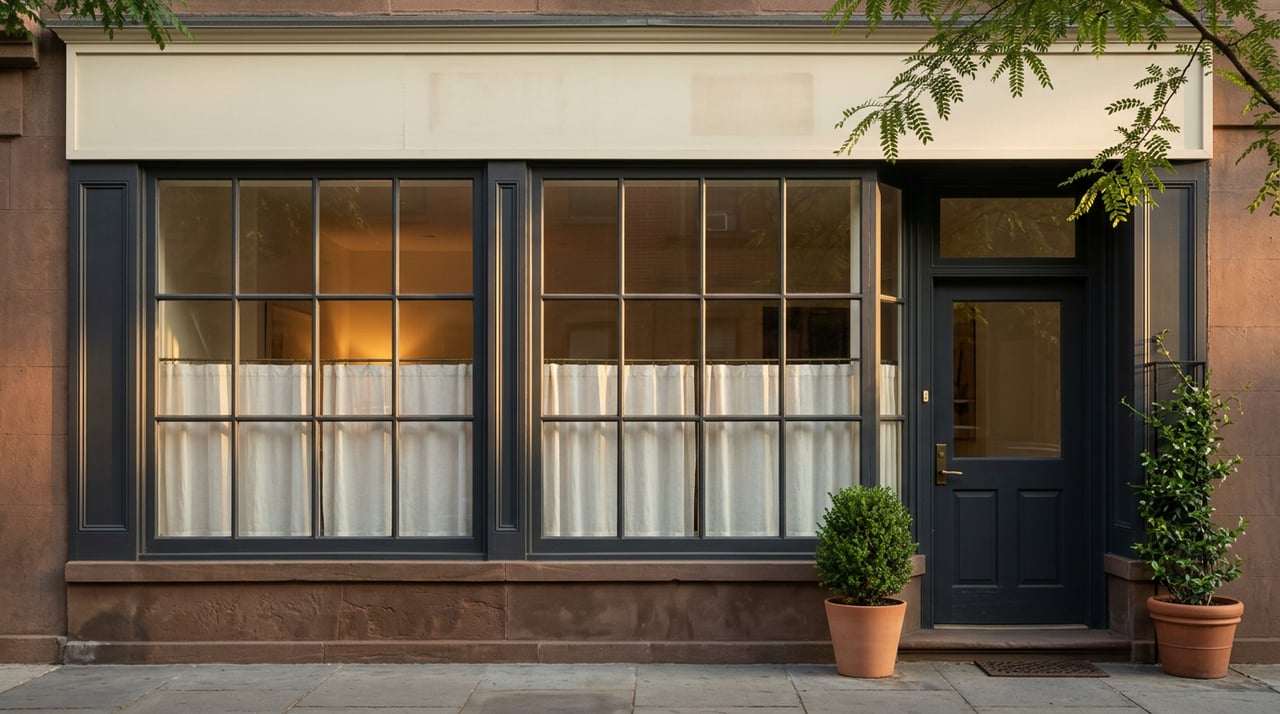
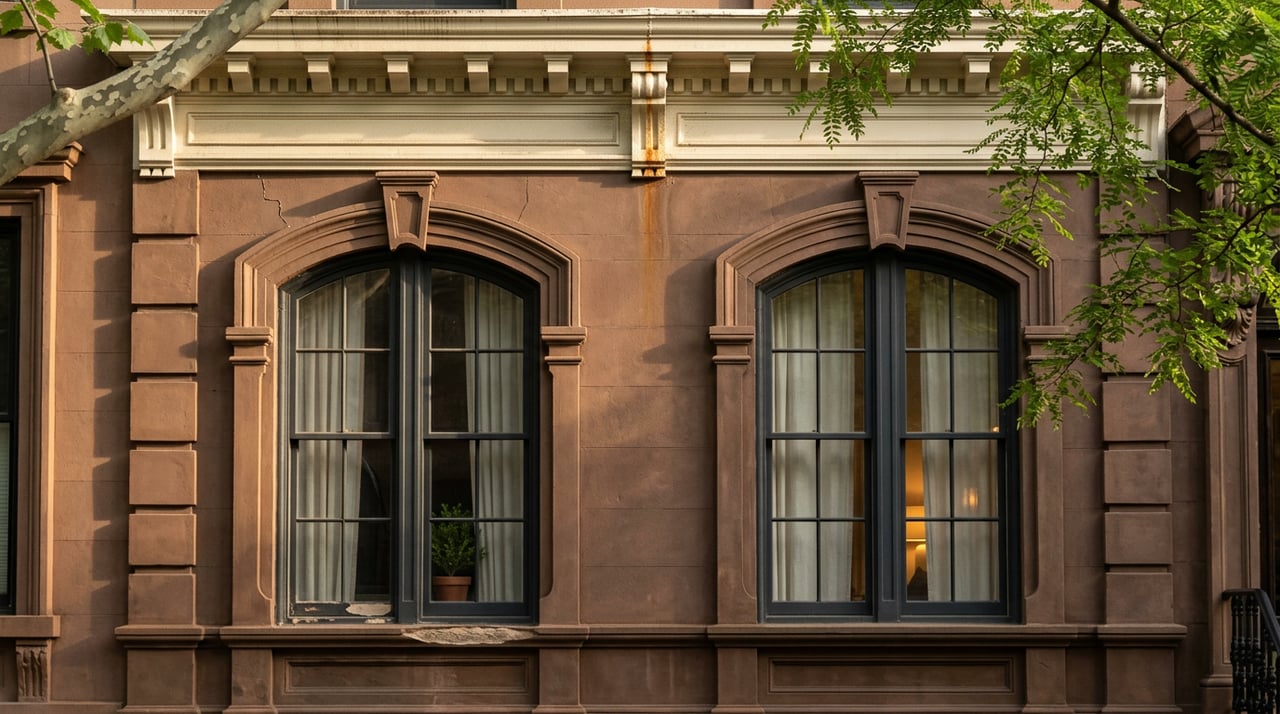
Brownstones and townhouses are central to Greenwich Village’s identity. Many are Federal or Greek Revival row houses built in brick, sometimes with brownstone facades, and the district also includes notable Italianate rows.
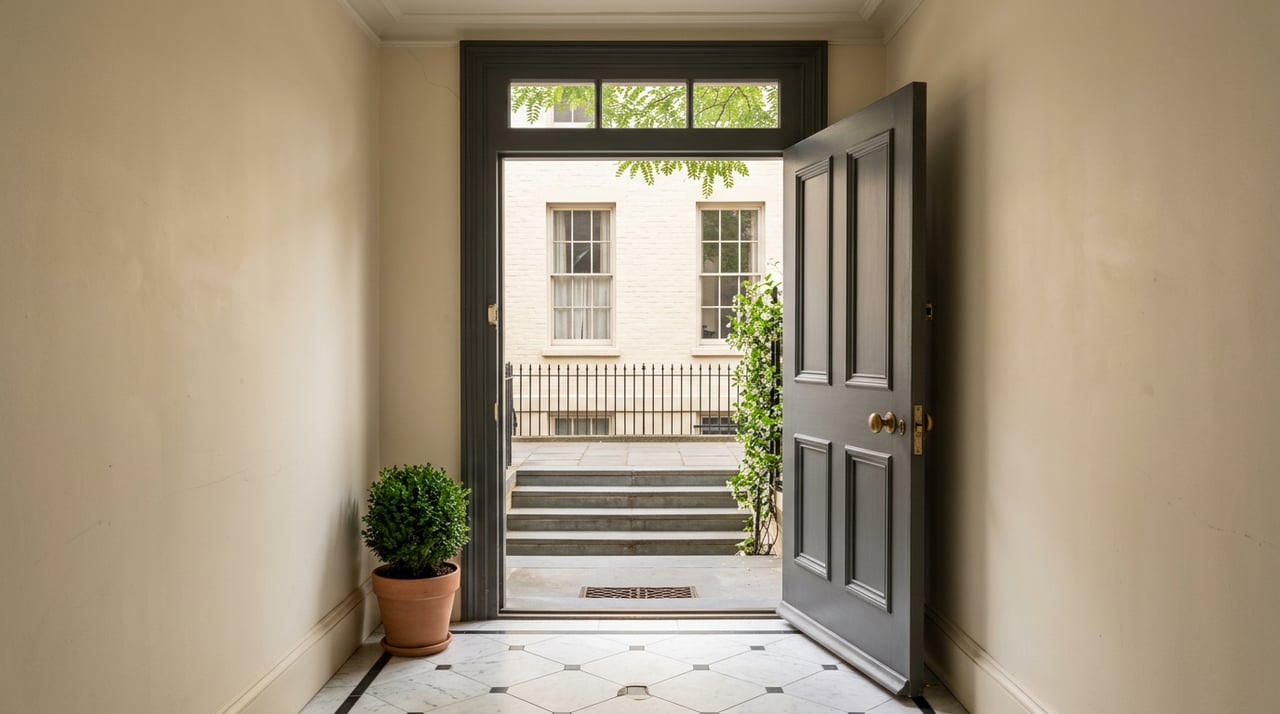
These homes often feel the most house-like because shared circulation is limited and the household count is usually small. In practical terms, you may have a more direct entry, fewer neighbors passing your door, and a stronger sense of separation from the building around you.
That said, no townhouse lifestyle is identical. Some Village houses have been subdivided or altered over time, so privacy, light, layout, and noise can vary a great deal depending on the block and the renovation history.
For everyday living, this housing style often appeals to buyers who want classic architecture and a more self-contained feel. The trade-off is that a house-like setting can also come with more direct responsibility for upkeep and repair.
Prewar Walk-ups and Classic Apartment Living
Greenwich Village still has many older walk-up apartment buildings and tenements. Older buildings remain part of the neighborhood’s residential fabric, and housing reform in the early 1900s pushed apartment design toward more light and air than earlier tenement layouts typically offered.
In daily life, walk-ups often trade convenience for lower amenity overhead. You may give up elevators and staffed services, but in return you may find a more intimate scale and a distinctly classic Village feel.
Stairs are the most obvious factor, but they are not the only one. In older Village buildings built on narrow lots, light and air can vary sharply by exposure, floor, and floor plan depth.
If you are considering a walk-up, think honestly about how often you want to climb stairs with groceries, deliveries, luggage, or laundry. That may sound minor during a showing, but it becomes part of your routine very quickly.
Full-Service Condos and Convenience
Full-service condos are usually the most convenience-oriented option in this mix. In a condo, you own the unit itself plus an undivided interest in the common elements of the building.
Greenwich Village examples of this model may include features such as 24-hour doormen or concierge service, resident managers, porters, laundry, storage, courtyards, and roof-deck amenities. These details can make a noticeable difference in daily comfort, especially if you value package handling, staffing, or shared building services.
The trade-off is usually cost. Condo or HOA fees are typically paid separately from the mortgage, and total monthly housing cost also includes property taxes and insurance.
If your priority is a smoother day-to-day experience with more support built into the building, a full-service condo may be a strong fit. If you are trying to keep fixed monthly expenses tighter, this format may require closer comparison.
How Housing Style Affects Everyday Life
Noise and Shared Space
In Greenwich Village, noise is often more about the exact block, floor, and exposure than the broad housing label. The neighborhood mixes rowhouses, tenements, and apartment houses on the same streets, so one address can feel very different from the next.
As a general pattern, townhouses tend to have fewer shared walls and less corridor traffic. Walk-ups and elevator buildings usually involve more shared circulation and more nearby neighbors, which can affect how active the building feels.
Light and Exposure
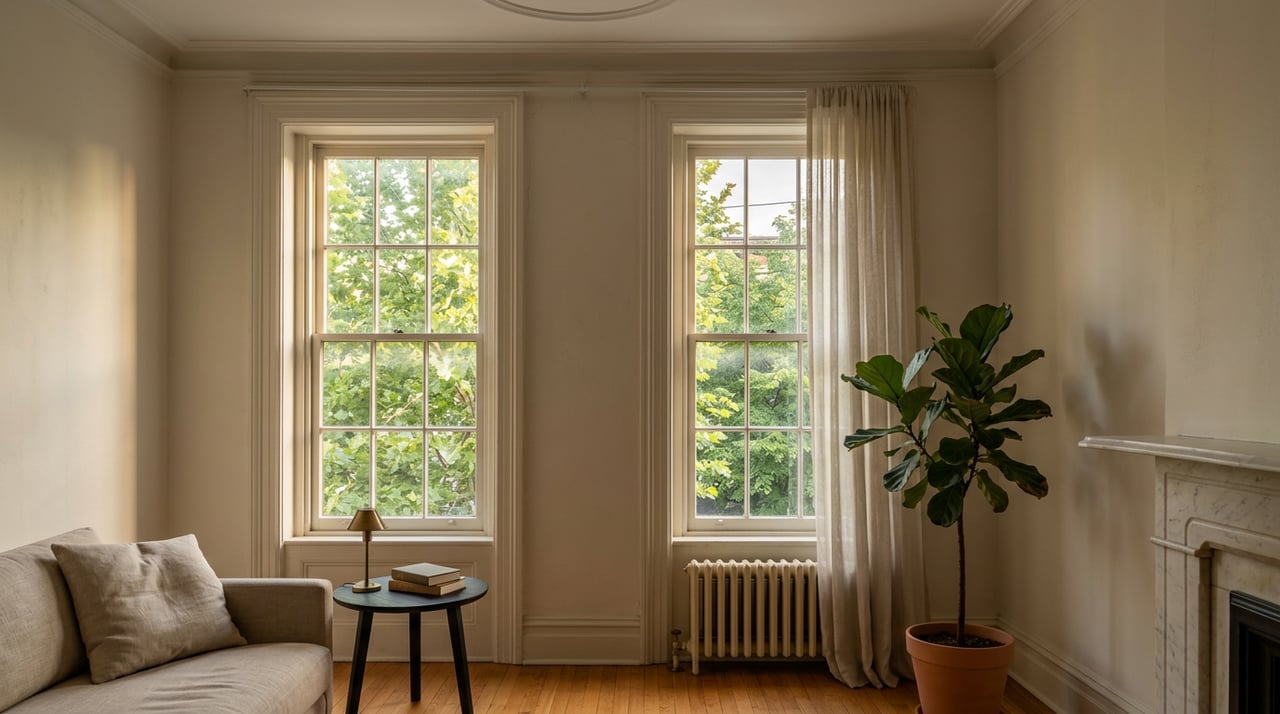
Light is highly unit-specific in the Village. Narrow-lot rowhouses, older tenements, and buildings with limited shafts can be darker deeper into the floor plan, while corner exposures, higher floors, rear gardens, and wider apartment-house footprints can improve daylight.
The practical takeaway is simple: do not assume light based on the building type alone. In Greenwich Village, exposure is often a unit-by-unit question.
Privacy and Daily Contact
Brownstones and townhouses often feel the most private because entries are more direct and the household count is smaller. Co-ops and condos usually add more lobby, hall, and sometimes staff interaction, while walk-ups often fall somewhere in between.
That difference is not automatically good or bad. Some buyers want a quieter, more self-contained rhythm, while others appreciate a staffed entry or a building with a more active shared environment.
Amenities and Services
If amenities are high on your list, full-service condos usually lead the pack. Elevator co-ops may offer a more modest service level, while brownstones and walk-ups typically have fewer building services.
This matters most when you think about your actual habits. If laundry, storage, package management, and building staff would improve your week in a meaningful way, service levels deserve real weight in your search.
Monthly Costs Need a Closer Look
In Greenwich Village, the lowest purchase price does not always mean the lowest monthly lifestyle cost. A co-op may fold property-tax allocation into maintenance, while a condo usually separates common charges from the mortgage and property taxes.
A townhouse may have fewer recurring shared charges, but it can still bring substantial repair costs over time. Older facades, roofs, plumbing, electrical systems, boilers, and elevators can all become expensive issues in existing buildings.
That is why monthly cost should be viewed as a full operating picture, not just a listing price plus mortgage estimate. When you compare homes, look at the recurring charges, likely upkeep, and the amount of convenience each option gives you in return.
Due Diligence for Village Buyers
The Village rewards careful review. Because many buildings are older and some sit within landmarked areas, details that seem small at first can have a major effect on your ownership experience.
A practical review should include the building’s physical systems and the governance structure. The New York Attorney General advises buyers to review the offering plan, ask for known defects in writing, review board minutes and financial reports, and check violations or other building records.
It also helps to think through daily quality-of-life questions before you make an offer:
- How much stair climbing feels realistic every day?
- How comfortable are you with co-op board rules or review processes?
- How important are staff, storage, laundry, or shared amenities?
- Do you prefer more privacy or more building support?
- Are you prepared for the repair profile of an older building?
If the building is in a landmarked part of Greenwich Village, exterior work and changes are not handled the same way they would be in an unregulated setting. That can be a benefit for preserving character, but it is still something you should understand early.
Choosing a home in Greenwich Village is rarely about finding the single “best” housing style. It is about finding the style that matches how you actually want to live, day after day, in one of New York’s most layered residential neighborhoods.
If you are weighing Greenwich Village housing through the lens of lifestyle, operating costs, and long-term fit, the Greg Mire Team can help you assess the trade-offs with a clear, practical approach.
FAQs
What makes Greenwich Village housing styles so varied?
- Greenwich Village preserved a large share of its older residential buildings, so rowhouses, brownstones, walk-ups, tenements, apartment houses, co-ops, and condos still exist side by side.
What is the difference between a Greenwich Village co-op and condo?
- In a co-op, you buy shares in a corporation and receive a proprietary lease, while in a condo, you own the unit plus an undivided interest in the building’s common elements.
Are Greenwich Village townhouses more private than apartments?
- They often feel more private because they usually have fewer households and more direct entries, but privacy still depends on the specific building, renovation, and block.
Are Greenwich Village walk-ups cheaper to live in each month?
- They may have lower amenity overhead than full-service buildings, but total affordability still depends on purchase price, condition, maintenance needs, and other recurring costs.
Do Greenwich Village full-service condos have higher monthly costs?
- They often do, because condo or HOA fees are usually separate from the mortgage and total monthly cost also includes property taxes and insurance.
How do I evaluate light in a Greenwich Village apartment?
- Light is highly unit-specific, so you should look closely at exposure, floor level, floor plan depth, and whether the home has corner views, rear garden outlooks, or other daylight advantages.
What should buyers review before purchasing in Greenwich Village?
- Buyers should review offering-plan materials, known defects, board minutes, financial reports, violations, and the condition of key systems such as roofs, plumbing, wiring, elevators, heating, and facades.
Do landmark rules affect Greenwich Village homes?
- Yes, in landmarked parts of Greenwich Village, exterior work and certain changes are subject to regulation that helps protect the district’s historic character.