Buying a co-op in Greenwich Village can feel like applying for a home and a committee review at the same time. If you are drawn to the neighborhood’s classic prewar buildings, tree-lined blocks, and historic character, you are not alone, but the board approval process can seem more layered than many buyers expect. The good news is that once you understand what boards are looking for, what documents matter, and how local building rules can affect your plans, the process becomes much easier to navigate. Let’s dive in.
Why Greenwich Village co-ops feel more complex
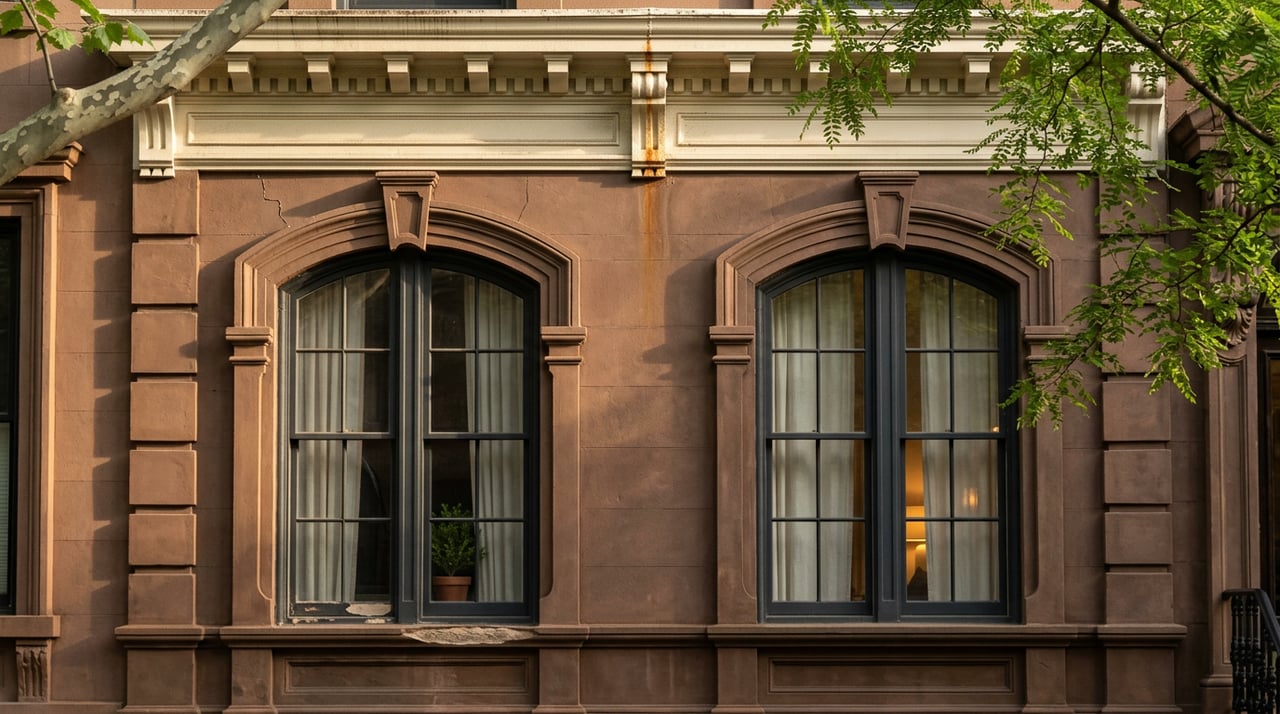
Greenwich Village stands apart because it is home to the Greenwich Village Historic District, which was designated in 1969 and remains the largest historic district in New York City, covering more than 2,000 buildings across 65 blocks. That historic status helps preserve the neighborhood’s character, but it can also add another layer of review for buyers.
If you buy in a landmarked building or a building within a historic district, certain physical changes may require approval from the Landmarks Preservation Commission before work begins. Depending on the scope, that may involve a Certificate of No Effect, a Permit for Minor Work, or a Certificate of Appropriateness for more significant changes.
For you as a buyer, this means board approval may be only one part of the picture. If you plan to update windows, alter masonry, change exterior elements, or pursue a larger renovation, the building board may also evaluate whether your plans are realistic within preservation rules.
Understand what a co-op board reviews
When you buy a co-op, you are not purchasing real estate in the same way you would with a condo. According to the New York State Attorney General’s co-op guidance, you are buying shares in a corporation that are tied to a specific apartment, along with a proprietary lease.
That structure explains why boards review buyers so closely. The board is evaluating not only whether you can buy the apartment, but also whether you can reliably meet monthly maintenance obligations and follow the building’s rules over time.
In most Manhattan co-ops, the board’s focus is usually practical. Boards often review your financial strength, employment and income stability, intended use of the apartment, renovation plans, pet considerations, and whether your application aligns with the building’s house rules.
Financial strength matters most
In many Manhattan co-ops, a 20% to 30% down payment is a common benchmark, while some more selective prewar buildings may prefer 30% to 50% or more. Boards also often look closely at post-closing liquidity, total debt load, and the consistency of your income.
That matters in Greenwich Village because many buildings are older and may face meaningful capital needs. The Attorney General advises buyers to review offering plans, board minutes, financial reports, and violations because repairs involving facades, roofs, elevators, plumbing, electrical systems, and boilers can be expensive.
If a board is cautious, that caution is often tied to building stewardship. In an older Village building, the board may be thinking several years ahead about maintenance costs, assessments, and future repair obligations.
Your intended use also matters
Boards often want to confirm that your plans fit the building’s policies. A mismatch can create problems, especially if a co-op emphasizes primary residence use or limits subletting.
If you are buying with a specific plan in mind, it helps to confirm the building’s rules early. This is especially important if you expect flexibility around occupancy, pets, or future renovation timing.
What the board package usually includes
A co-op board package is often document-heavy, and organization counts. A typical package may include:
- A net-worth statement
- Bank and asset verification letters
- Recent bank statements
- Tax returns
- Proof of funds or mortgage commitment
- Employment verification
- Reference letters
- Government-issued ID
- Signed purchase application and contract materials
- House rule acknowledgements
- Proof of homeowners’ insurance
- Authorizations for credit or background checks
A concise cover letter and a clear table of contents can help make your package easier to review. In practice, a clean and complete submission often signals that you will be a thoughtful and reliable shareholder.
Extra documentation for self-employed buyers
If you are self-employed, expect the board to ask for a longer paper trail. Recent business tax returns, profit-and-loss statements, and other proof of ongoing earnings are commonly requested when income cannot be confirmed with a standard employer letter.
This does not mean self-employed buyers are at a disadvantage. It usually means the board wants a clearer and more complete picture of income stability.
How NYC’s new co-op timing law affects buyers
New York City enacted Int. No. 1120-B on January 29, 2026, creating a more formal application framework for many co-ops. Under the law, covered buildings must maintain a written application and written transfer requirements, acknowledge receipt of application materials within 15 days, and make a decision within 45 days after a complete application, with one possible 14-day extension in some cases.
For buyers, this should make the process more structured in many buildings. A complete package matters even more because the decision clock begins after the application is considered complete.
There is an important local nuance, though. The law does not apply to every co-op. It generally applies to cooperative corporations with 10 or more dwelling units and excludes certain properties, including HDFCs and smaller buildings. You can review the legislation text here.
That exception matters in Greenwich Village, where many boutique co-ops have fewer than 10 units. In those buildings, the process may still move on a more building-specific timeline, so it is smart to request transfer requirements as early as possible.
Renovation plans can raise more questions
Renovation is often where Greenwich Village buyers run into added complexity. In newer neighborhoods, a board may focus mainly on construction hours, insurance, and contractor procedures. In the Village, preservation rules can also affect feasibility.
If your plans involve windows, masonry, rooftop work, or other protected features, the Landmarks Preservation Commission process may come into play. Boards may scrutinize renovation plans more closely when outside approvals could affect timing, cost, or project scope.
For that reason, it helps to approach renovations with realism. The stronger your plan, timeline, and supporting team, the easier it is for the board to understand how your project would fit within the building’s rules and preservation requirements.
Common reasons buyers get rejected
Most board issues are not dramatic. They are usually the result of incomplete information, weak preparation, or a mismatch between the buyer and the building’s expectations.
Common problems include:
- Incomplete board packages
- Weak proof of funds
- Limited post-closing reserves
- High personal debt
- Recent financial distress without a clear explanation
- Negative references
- Misstatements or omissions
- Planned use that conflicts with building rules
The pattern is simple: boards tend to respond best to clarity, consistency, and full disclosure. If something in your file needs explanation, a direct and well-documented explanation is usually better than hoping it will be overlooked.
How to improve your approval odds
You cannot control every variable, but you can make the process much smoother. Buyers often improve their chances when they focus on preparation early.
Build a stronger application
A stronger application usually includes:
- A firm mortgage pre-approval
- Clear proof of available funds
- Solid post-closing reserves
- An organized and complete board package
- Prompt responses to follow-up requests
- Transparent explanations for any unusual financial or personal circumstances
Just as important, make sure your package is internally consistent. Income, assets, liabilities, and supporting documents should align cleanly from one section to the next.
Prepare for the interview
The board interview is often less about surprise questions and more about confirming that your application reflects you accurately. Typical topics may include your employment, how you plan to use the apartment, whether you anticipate renovations, and whether you understand the building’s rules.
A calm, professional approach usually works best. Answer directly, stay consistent with your written package, and keep the focus on practical questions.
What to keep in mind about fair housing rules
Co-op boards in New York City must also follow current fair housing requirements. Under the NYC Fair Chance Housing Law, most housing providers in the city, including co-ops and condos, are limited in how they can use criminal history in housing decisions.
For buyers, this is part of a broader shift toward more defined and reviewable procedures. While boards still have discretion in many areas, the approval process is becoming more structured in important ways.
A practical Greenwich Village strategy
If you are considering a co-op in Greenwich Village, it helps to think beyond the purchase price. You should also evaluate maintenance charges, the possibility of future assessments, renovation feasibility, and the building’s approval culture.
This neighborhood rewards preparation. When you understand the co-op’s financial expectations, confirm building rules early, and account for any landmark-related renovation issues, you put yourself in a much stronger position from the start.
A careful, well-prepared approach can make a real difference in Greenwich Village, where historic buildings often come with both charm and complexity. If you want a measured, strategic perspective on transaction planning and approvals, connect with Greg Mire for a confidential conversation.
FAQs
What does a Greenwich Village co-op board usually care about most?
- Co-op boards in Greenwich Village usually focus on your financial strength, post-closing reserves, income stability, intended use of the apartment, and whether your plans fit the building’s rules.
Do all Greenwich Village co-ops follow the new NYC board decision timelines?
- No. The new NYC co-op timing law generally applies to co-ops with 10 or more dwelling units, so some smaller Greenwich Village buildings may follow different timelines.
Why are renovations harder in some Greenwich Village co-ops?
- Many Village buildings are landmarked or located in historic districts, which can require Landmarks Preservation Commission approval for certain changes in addition to board approval.
What documents are usually required in a Greenwich Village co-op board package?
- Most packages include financial statements, tax returns, proof of funds, employment verification, reference letters, ID, purchase documents, house rule acknowledgements, and other supporting materials requested by the building.
How can a buyer improve the chances of co-op board approval in Greenwich Village?
- You can improve your odds by securing mortgage pre-approval, showing strong post-closing reserves, keeping your package complete and organized, and being transparent about any unusual circumstances.