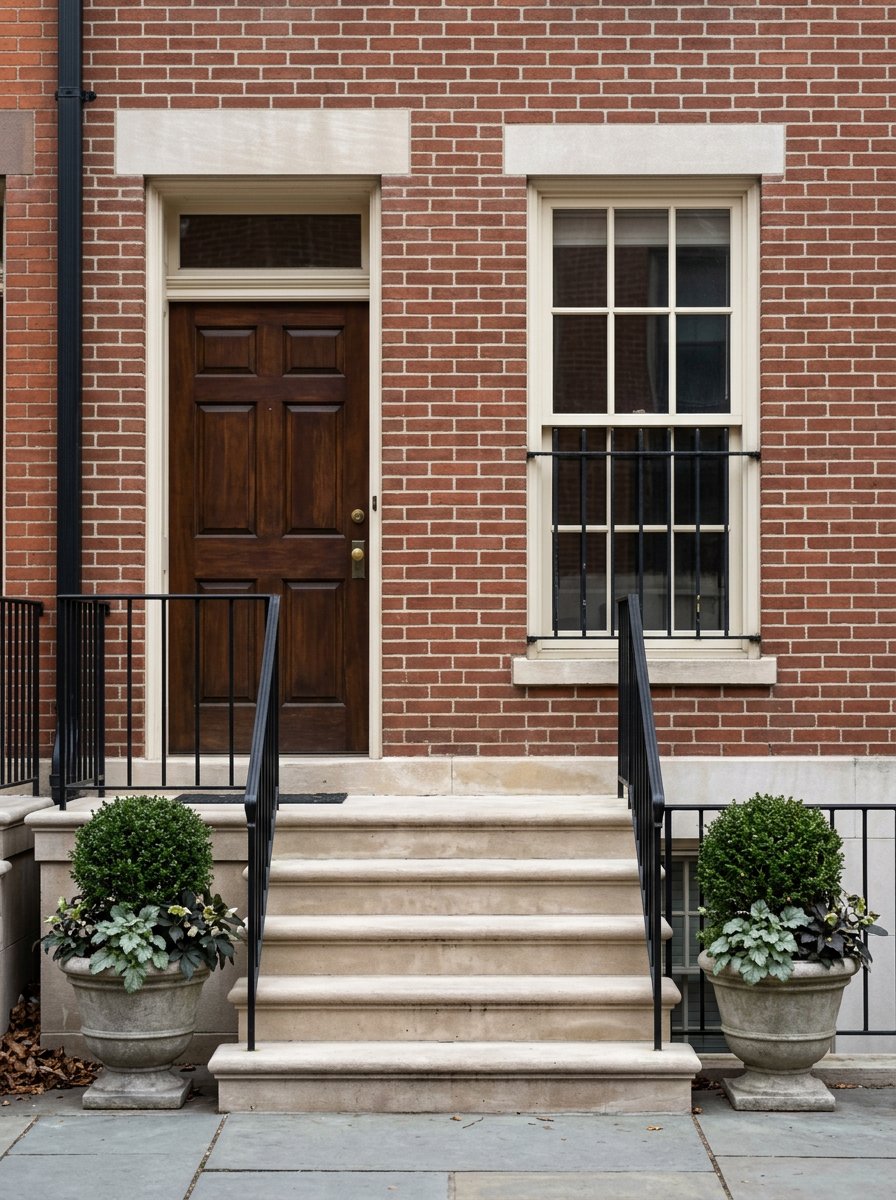
Considering a Brooklyn Heights brownstone or townhouse? The cobblestone charm and leafy blocks are real, and so are the rules that protect them. Because Brooklyn Heights is New York City’s first historic district, what you change on the exterior is reviewed, timed, and documented. In this guide, you’ll learn how landmark status shapes your purchase, what approvals you’ll need, how long things usually take, what to budget for, and how designation can affect long‑term value. Let’s dive in.
Landmark status in practice
Buying inside the Brooklyn Heights Historic District means your property sits within protected boundaries set by the Landmarks Preservation Commission (LPC). To confirm a specific address, review the official district map and the original designation report, which is the authoritative reference for included lots and significance. You can download the Brooklyn Heights Historic District designation report to check boundaries and context.
LPC regulates exterior changes that affect a protected building’s character. In limited cases, LPC also regulates designated interiors, but most buyers will interact with LPC for exterior work only. Routine maintenance often moves quickly, while visible or non‑in‑kind changes face a closer review.
What work usually needs approval
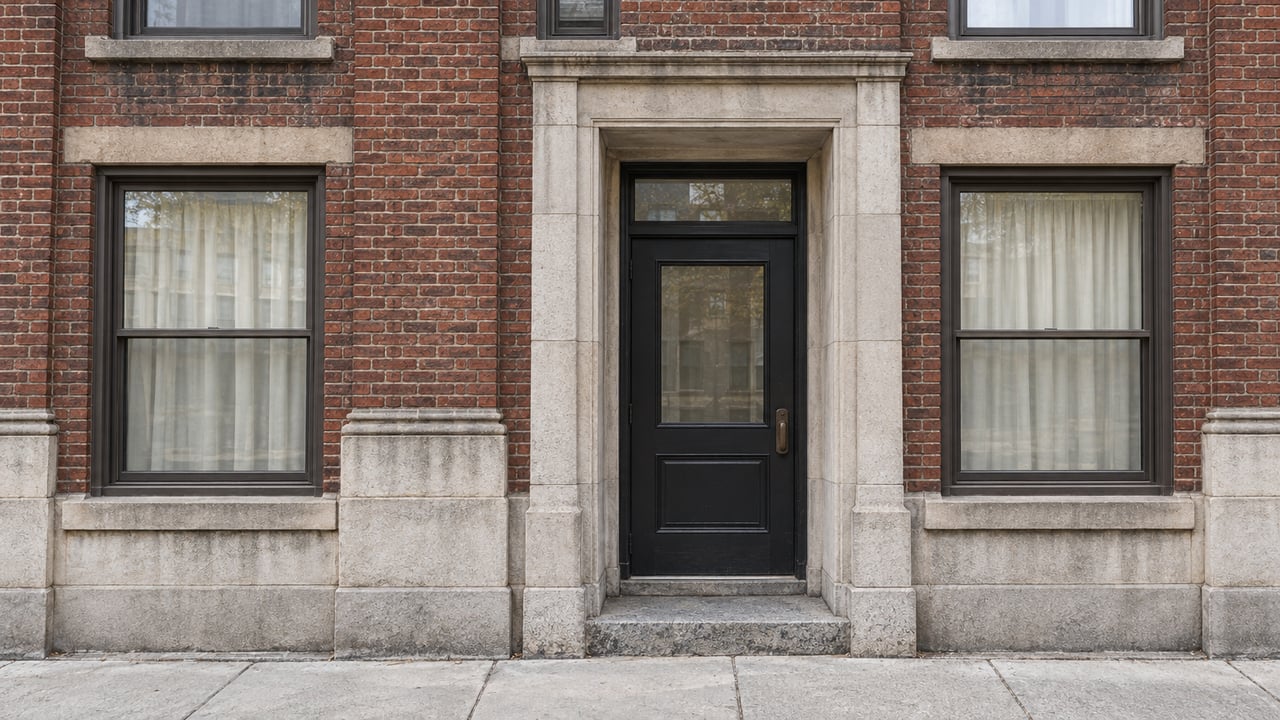
Expect LPC review for changes to windows, front stoops, brownstone and brick facades, cornices, and any rooftop additions or equipment visible from the street, sidewalk, or park. LPC applies a visibility test: if a change is visible from a public thoroughfare, it likely needs their approval. The LPC applications portal summarizes permit types and when staff can approve work. Start with the LPC applications and permits overview to understand scope and rules.
Permit types and timelines
All LPC applications are filed through Portico, the agency’s web portal. Many proposals qualify for staff review and can be approved relatively quickly; more complex or visible changes may require a public hearing before the full Commission. The Portico “Six Easy Steps” guide explains how to submit and what to include.
Common LPC approvals include:
- Certificate of No Effect (CNE): For certain minor work with no adverse effect; some can be issued within days when criteria are met.
- Permit for Minor Work (PMW): For routine maintenance and small repairs.
- Certificate of Appropriateness (COA): For significant alterations that often require a public hearing, adding weeks or months to schedules.
LPC and DOB work together
LPC decides if a proposal is appropriate for a historic property. The New York City Department of Buildings (DOB) enforces building code and issues building permits for structural, plumbing, electrical, and related work. For many projects, you will need both an LPC approval and a DOB permit before starting. Coordinate submissions early and budget extra time for DOB plan review.
Enforcement and clean records
Work done without an LPC permit, or outside the scope of an issued permit, can trigger warning letters, violations, OATH hearings, fines, and stop‑work orders. You should insist on a clean enforcement history and verify that past work was properly permitted and signed off. Review the LPC violations and enforcement overview to understand potential risks.
Common projects in Brooklyn Heights homes
Windows: repair vs replacement
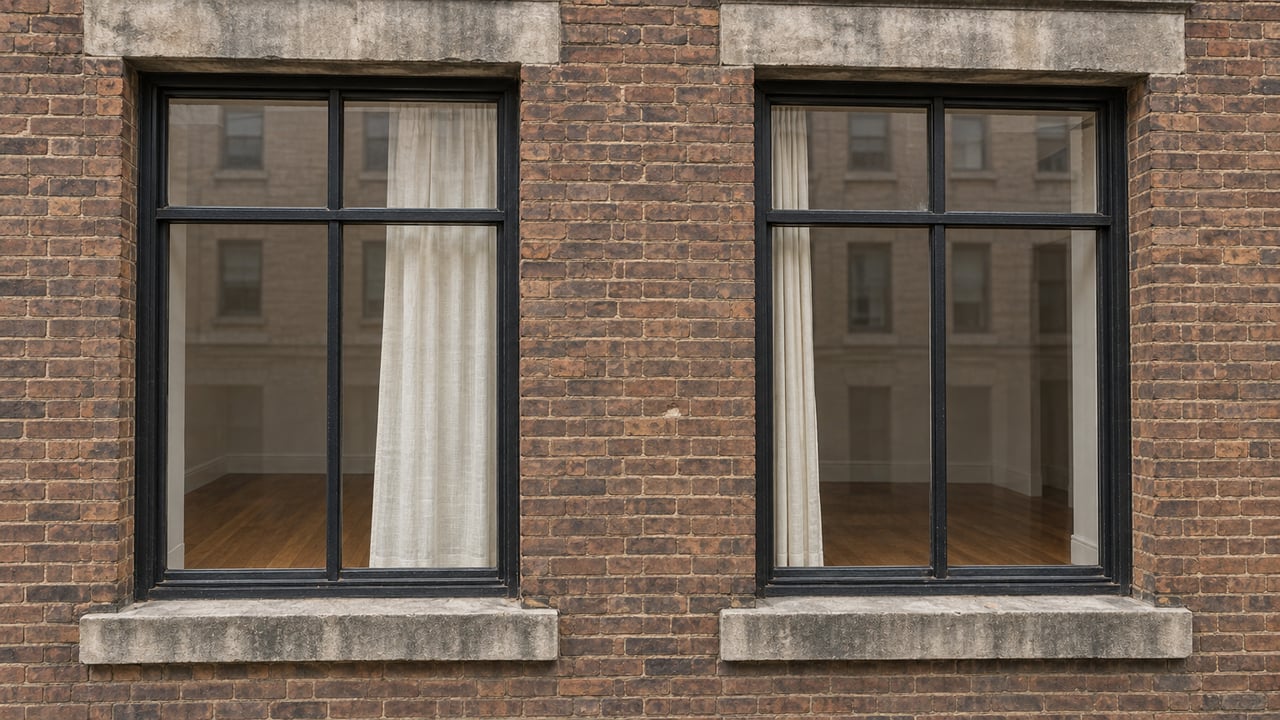
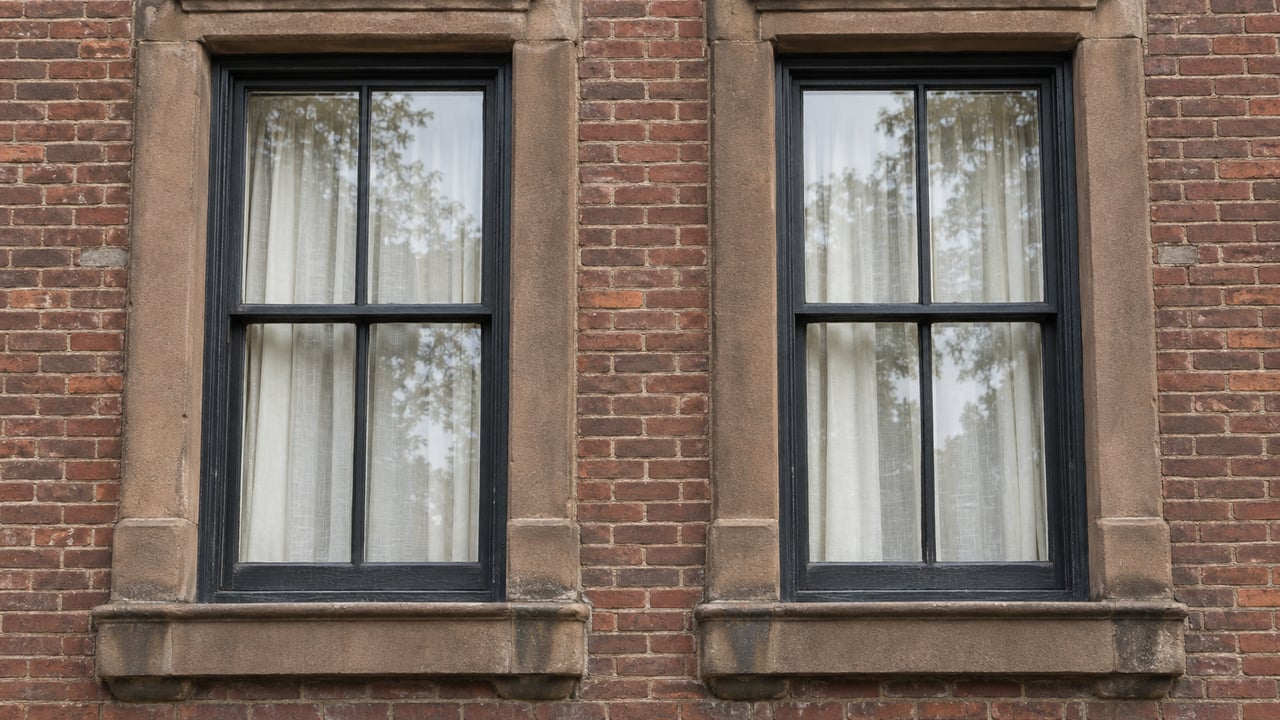
LPC strongly encourages repair where feasible. Many routine repairs, like glass replacement or repainting the same color, do not need an LPC permit. Full sash replacement or any change to profiles is regulated and typically needs an LPC filing. The LPC Windows Fact Sheet outlines documentation needs and standards. Most replacement proposals that match original sightlines, profiles, and muntin patterns can be approved at staff level.
If you are targeting high‑performance windows, LPC has approved sensitive solutions on a case‑by‑case basis. Expect higher costs for custom wood or historically accurate windows compared to off‑the‑shelf options.
Brownstone, masonry, stoops, and cornices
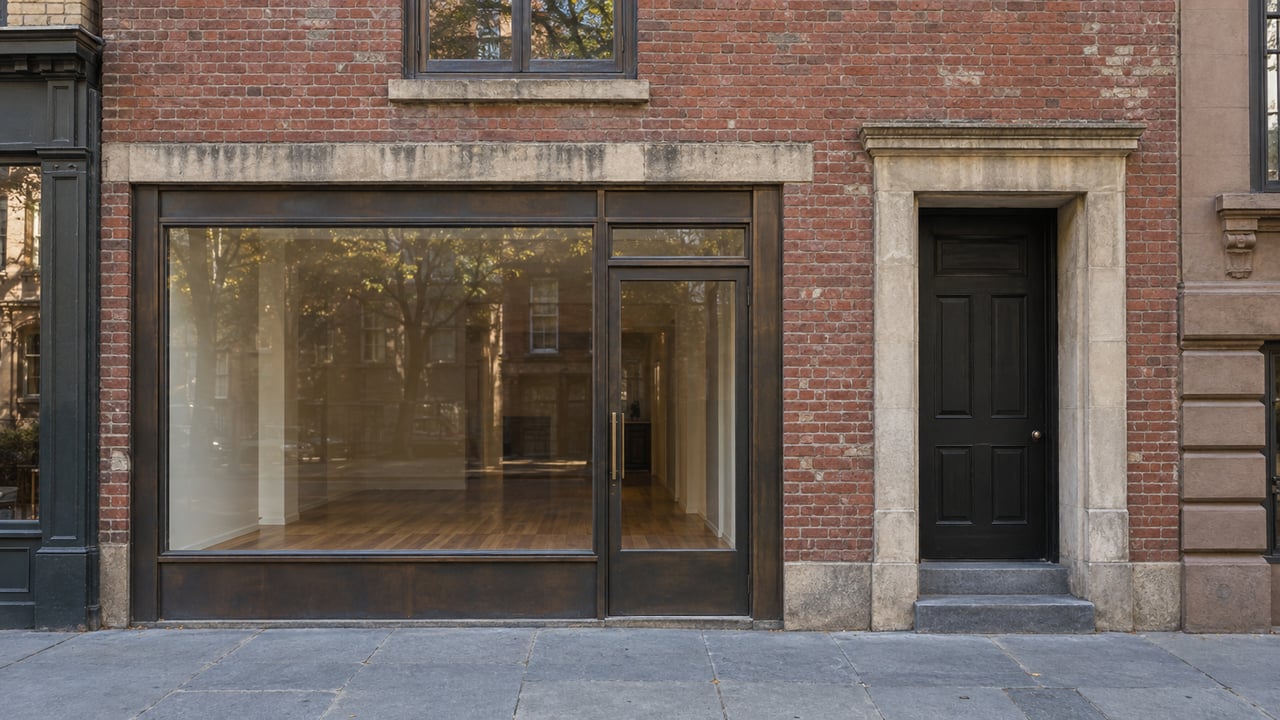
Facade restoration is common and can be among the most significant exterior costs for brownstones. LPC’s guidance sets expectations for matching mortar composition and profiles, gentle cleaning, and when in‑kind replacement or Dutchman repairs are appropriate. Restoration contractors with landmark experience and comfort with lime‑based mortars are strongly recommended. The LPC Permit Guidebook’s restoration chapter provides practical standards; review the LPC Permit Guidebook before you scope work.
Plan for scaffold and sidewalk‑shed costs, plus time for municipal approvals, especially for larger facade projects. Policy changes aimed at reducing long‑term sheds have increased enforcement on shed duration, which can influence schedules. For current context on shed policy, see the city’s program to remove long‑standing scaffolding.
Roofs, rear elevations, and rooftop additions
Rooftop work that is visible from a public way generally requires LPC review; small, minimally visible projects may be approvable at staff level, while more prominent work often needs a Commission hearing. Roof decks, bulkheads, and enlargements take design time and careful visibility testing. The LPC Permit Guidebook is a helpful reference for submittal standards and visibility documentation. Start with the LPC Permit Guidebook when discussing scope with your architect.
Scaffolding and FISP considerations
Exterior projects over the sidewalk typically require a shed and DOB/DOT approvals. Buildings over six stories must also comply with the Facade Inspection & Safety Program (FISP/Local Law 11), which mandates periodic inspections and timely repairs. Both requirements can add time and cost. Plan early and coordinate your LPC and DOB filings so scaffolding is up only when you are ready to move.
Budgeting, value, insurance, and incentives
Costs and contingencies
Specialized trades, historic materials, and the need for LPC drawings and reviews often make landmark projects more expensive than similar non‑landmarked work. Common cost drivers include custom window fabrication, brownstone and cornice repairs, period metalwork, scaffolding, and consultant/architect fees. Obtain multiple quotes from contractors with LPC experience and carry a healthy contingency, often 15 to 25 percent or more for restoration scopes.
How landmark status can affect value
Historic‑district designation tends to stabilize neighborhood character and, in many New York City neighborhoods outside Manhattan, has been associated with value increases. At the same time, designation limits redevelopment and can reduce new‑construction activity. The net effect is context‑dependent and varies by location and property type. For a deeper dive, review the NYU Furman Center’s analysis of historic districts and property values.
Grants and tax credits
Federal historic rehabilitation tax credits of 20 percent apply only to certified income‑producing properties. Owner‑occupied primary residences generally do not qualify for the federal credit. New York State also administers homeowner‑focused programs in specific circumstances, and the City’s Historic Preservation Grant Program offers modest facade restoration grants to eligible owners and non‑profits. Confirm eligibility and review requirements with SHPO, LPC, and a tax professional. Start with the National Park Service overview of eligibility.
Insurance and lending notes
Older, detailed homes may need specialized insurance coverage that reflects the cost to restore period materials after a loss. Lenders will focus on appraised value, condition, and any open violations. Large pending restoration scopes or unresolved enforcement matters can affect loan terms. Engage your lender and insurance agent early so there are no surprises at underwriting.
Buyer due‑diligence checklist
Use this quick list to reduce risk and set realistic expectations before you submit an offer.
- Confirm designation and lot boundaries. Use Portico/Discover to look up the address, lot, and prior permits. The Portico FAQ explains how to search.
- Pull the official record. Download the designation report and confirm the property’s inclusion and context.
- Review LPC and DOB history. Check Portico for LPC permits and the DOB systems for permits and sign‑offs. The Portico submission guide shows what a complete file looks like.
- Screen for enforcement. Search for landmark violations, warning letters, and OATH/ECB matters. See the LPC enforcement page for what to look for.
- Scope planned exterior work early. Have a preservation‑savvy architect or contractor assess windows, masonry, and roof conditions. Use the LPC Permit Guidebook to map which items are staff‑level vs. hearing items.
- Budget for scaffolding and timing. City policy is curbing long‑term sheds, which affects scheduling. Review current context on shed policy and timelines.
- Confirm FISP status, if applicable. For buildings over six stories, verify the latest cycle filing and any Unsafe or SWARMP classifications that require near‑term repairs.
- Gather warranties and closeouts. Ask for contractor warranties, lien releases, and proof that prior work received both DOB sign‑off and the correct LPC permit.
Buying in a landmark district rewards patience and planning. With a clear understanding of the rules, a right‑sized budget, and an experienced team, you can preserve what makes Brooklyn Heights special while tailoring a home that works for you.
If you want a calm, senior‑level plan for your purchase and renovation path, connect with Greg Mire for a confidential conversation about your goals.
FAQs
What is the Brooklyn Heights Historic District and how do I confirm if a property is inside it?
- Review the official designation report and use LPC’s Portico/Discover tools to confirm lot boundaries and inclusion before you bid.
Which exterior projects usually need LPC approval in Brooklyn Heights?
- Windows, facade and stoop repairs, cornices, and rooftop items visible from a public way typically require approval; start with the LPC applications overview.
How long do LPC approvals take compared to non‑landmarked projects?
- Staff‑level items can be approved relatively quickly; proposals needing a public Commission hearing add weeks to months, and DOB permits are still required for code work.
Can I add a roof deck or rooftop addition to a brownstone in the district?
- Possibly; minimally visible work may be staff‑approvable, while prominent additions often require a Commission hearing and careful visibility studies per the LPC Permit Guidebook.
Are there grants or tax credits for restoring a historic home I live in?
- Federal 20 percent credits apply to income‑producing properties; homeowner programs exist at the state and city level but eligibility is narrow; see the NPS eligibility overview.
How does landmark status affect home values in Brooklyn Heights?
- Research links designation with stabilized character and often higher values in many NYC neighborhoods outside Manhattan, though redevelopment limits apply; see the NYU Furman analysis.