Trying to choose between a co-op and a condo in Park Slope can feel like two different paths to the same goal. You want the right home, the right monthly costs, and a process that fits your timeline and finances. In this guide, you will learn how ownership type changes your experience in Park Slope, from board approvals to down payments, timelines, and day-to-day flexibility. Let’s dive in.
Co-op vs Condominium Basics
Co-ops and condos differ in how you own your home. In a co-op, you buy shares in a corporation and receive a proprietary lease for your apartment. In a condo, you receive a deed to your unit plus a share of the common areas.
These structures shape how buildings operate. Co-op boards often have more control over who buys, how you renovate, and if or when you can sublet. Condo ownership is typically more flexible, which can make financing and resale easier.
What Park Slope Inventory Looks Like
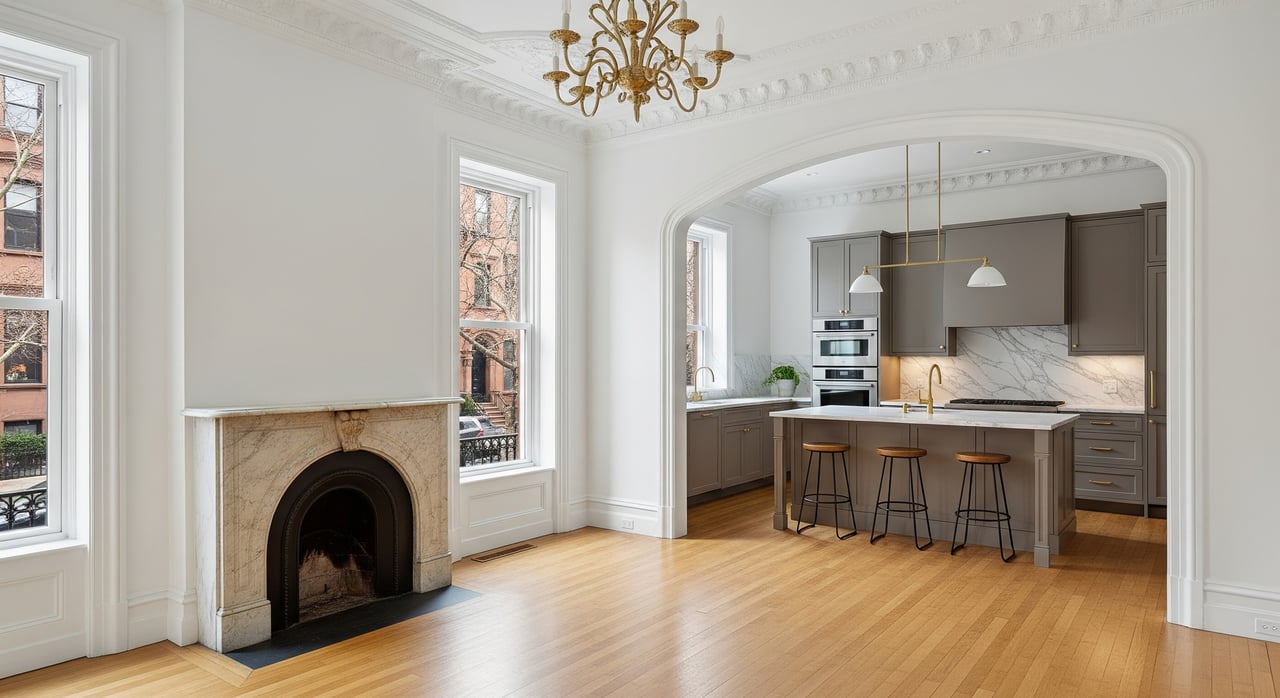
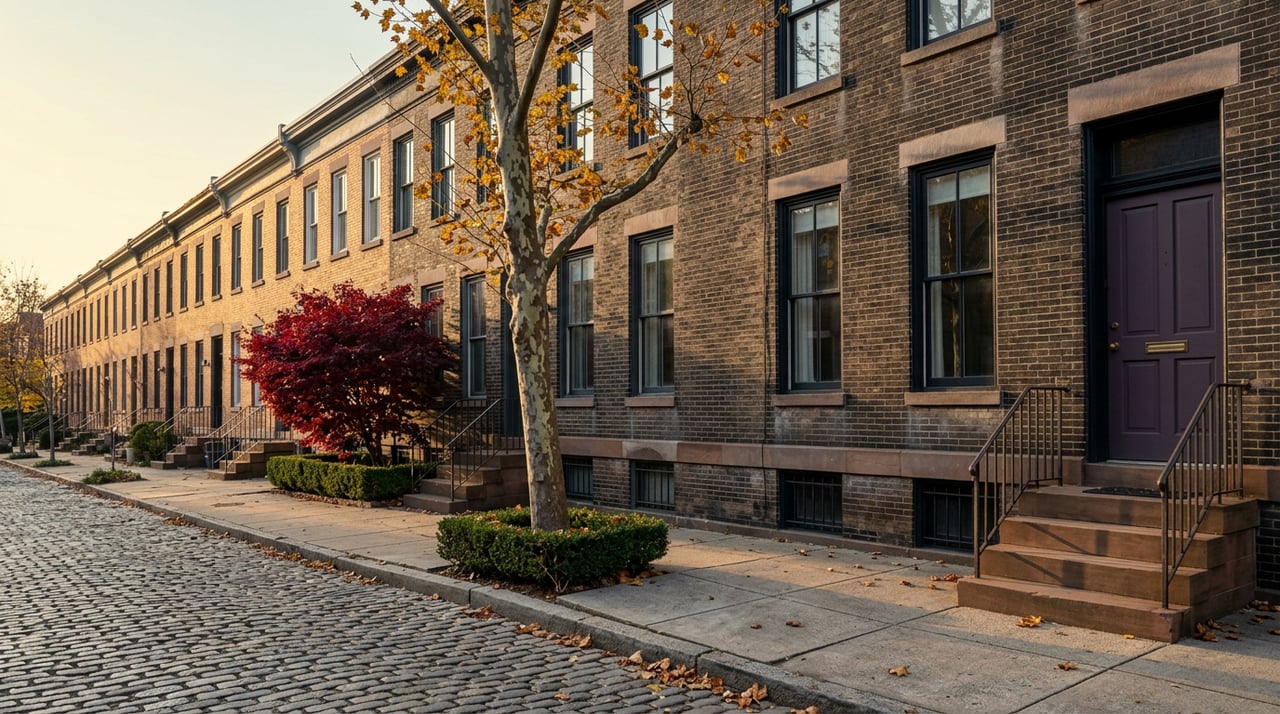
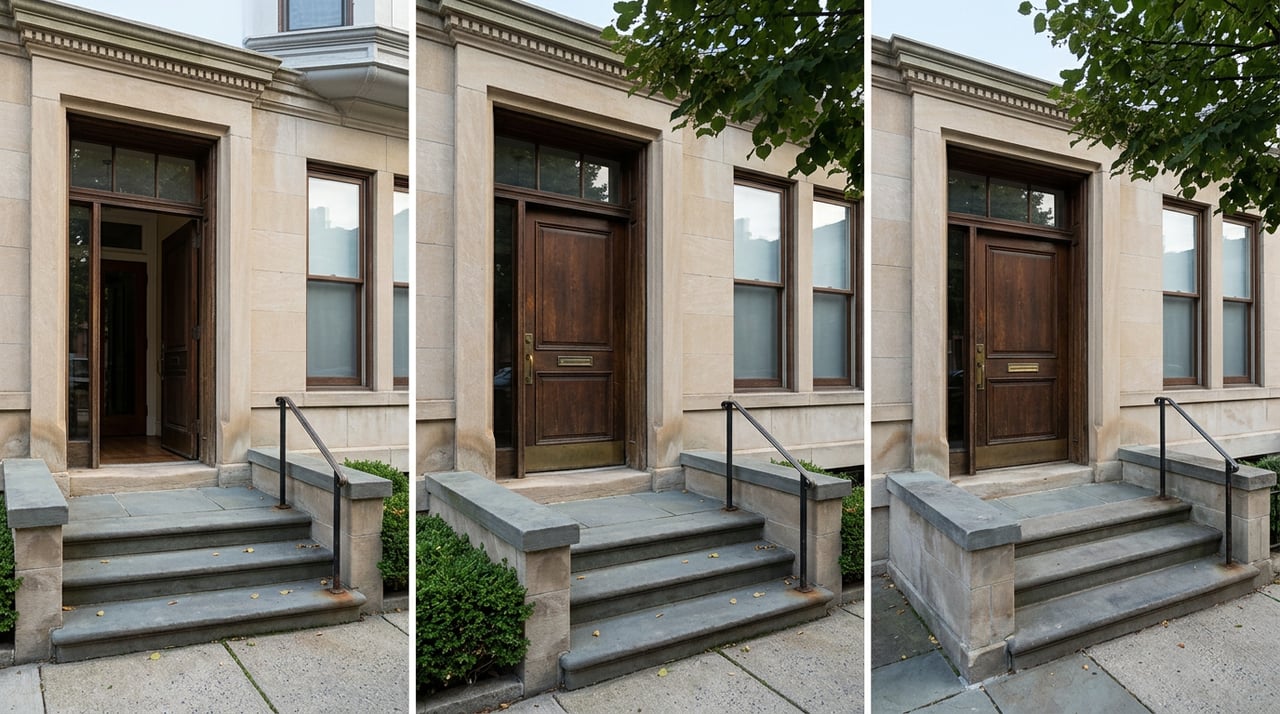
Park Slope has more co-ops than condos. Many co-ops are in prewar brownstones, walk-ups, and established mid-rise buildings with resident-run boards. These often offer classic details and neighborhood character.
Condos are more common in newer or converted buildings. You will see them along busier corridors, near Fourth Avenue, and in some boutique properties by Prospect Park. Condos are usually fewer in number and can trade at a higher price per square foot, especially when amenities are included.
Board Approvals in Park Slope
Co-ops usually require a full board package and an interview. Expect to provide financial statements, tax returns, references, and proof of post-closing liquidity. Approval is discretionary within building rules and fair housing laws.
Condo approvals are typically faster and more procedural. You still must follow house rules, but the process is usually less subjective. In Park Slope, long-standing co-ops may set higher financial standards, so ask about recent approval timelines and requirements for the specific building you are considering.
Down Payments and Financing
Co-ops often expect larger down payments than lenders require. Across Park Slope, 20 to 30 percent is common. Underwriting also considers the co-op’s financials, not just yours.
Condos allow lower down payments, sometimes in the 10 to 20 percent range depending on lender and program. Financing is more straightforward because you are buying real property. If you prefer a lower down payment, focus your search on condos and confirm lender options early.
Closing Timelines and Paperwork
Condos usually close faster. Once your attorney review and mortgage underwriting are complete, a typical condo closing takes about 30 to 60 days. The steps are predictable, which helps if you need a tighter timeline.
Co-ops can take longer, often 45 to 90 days from contract. The board package, interview scheduling, and potential requests can add weeks. In Park Slope, common delays include extra documentation, interview timing, or requests for additional liquidity.
Monthly Costs and Taxes
Co-op monthly “maintenance” combines many costs. It often includes the building’s property taxes, operating expenses, staff, insurance for the building, and contributions to reserves. If the building has an underlying mortgage, maintenance may also reflect that debt.
Condo owners pay monthly common charges plus property taxes separately. While common charges might look lower than co-op maintenance, the total of common charges and property taxes can be similar or higher, depending on the building. Both co-ops and condos can levy special assessments for capital projects.
Tax treatment differs between co-ops and condos. Because tax rules are complex and can change, consult a CPA for personalized advice.
Flexibility, Subletting, and Ownership
Co-ops tend to be more restrictive about renting and entity ownership. Many require you to live in the home for a set period before subletting, limit the number or length of sublets, and restrict ownership through LLCs.
Condos are often more permissive, with simpler rules for rentals and entity ownership, though policies vary by building. If you plan to rent out the home or value flexibility, a condo is usually the better fit.
Which Option Fits Your Profile?
You may prefer a co-op if you want historic charm, a community feel, and often a lower listing price per square foot. You also need to be comfortable with detailed board screening and a larger cash commitment.
You may prefer a condo if you want simpler financing and resale, more flexible rental options, amenity buildings, or faster potential closings. Condos can work well if you prioritize elevator or wheelchair access.
Park Slope Buyer Checklist
- Define your must-haves. Decide if flexibility, lower cash outlay, or brownstone character matters most.
- Get tailored pre-approvals. Ask lenders about co-op packages, condo programs, and down payment options.
- Compare monthly costs. For co-ops, review maintenance and any underlying mortgage. For condos, add common charges and projected property taxes.
- Review building health. Ask for financials, reserve levels, assessment history, and house rules. For conversions or new builds, review the offering plan and sponsor standing.
- Plan your timeline. Budget 4 to 8 weeks post-contract for condos, and 6 to 12 weeks for co-ops, depending on financing and board scheduling.
- Assemble your team. Choose a NYC-experienced real estate attorney and a lender familiar with co-ops if you go that route. Work with a broker who knows Park Slope buildings and board patterns.
Risks and Red Flags
In co-ops, watch for low reserves, high arrears, frequent assessments, a high underlying mortgage, or unclear board practices. In condos, check for pending litigation, weak reserves, sponsor control issues, or unclear offering plans. In both, look for deferred maintenance or high turnover that could signal building challenges.
Next Steps
Start by deciding which matters more for you: flexibility and speed, or classic architecture and more inventory at certain price points. Then line up tailored pre-approvals, review building documents early, and plan your timeline with realistic buffers. If you want a clear strategy for your next move in Park Slope, connect with Greg Mire for a conversation about your goals.
FAQs
What is the core difference between co-ops and condos in Park Slope?
- Co-ops sell shares with a proprietary lease and more board control, while condos sell deeded units with generally more flexibility.
How much down payment is typical for Park Slope co-ops and condos?
- Many co-ops expect 20 to 30 percent or more, with some requiring more; condos can allow lower down payments depending on the lender.
How long does closing take for co-ops vs condos in Park Slope?
- Condos often close in about 30 to 60 days after contract; co-ops commonly take 45 to 90 days due to board packages and interviews.
What monthly costs should I compare between co-ops and condos?
- Compare co-op maintenance, which often includes taxes, to condo common charges plus separate property taxes, and check for recent or upcoming assessments.
Can I rent out my Park Slope apartment soon after purchase?
- Many co-ops restrict subletting and timing, while condos are typically more permissive; always verify each building’s current policy early.
Are condos always more expensive than co-ops in Park Slope?
- Condos are fewer and can trade at higher prices per square foot, especially in newer amenity buildings, but pricing varies by building and condition.