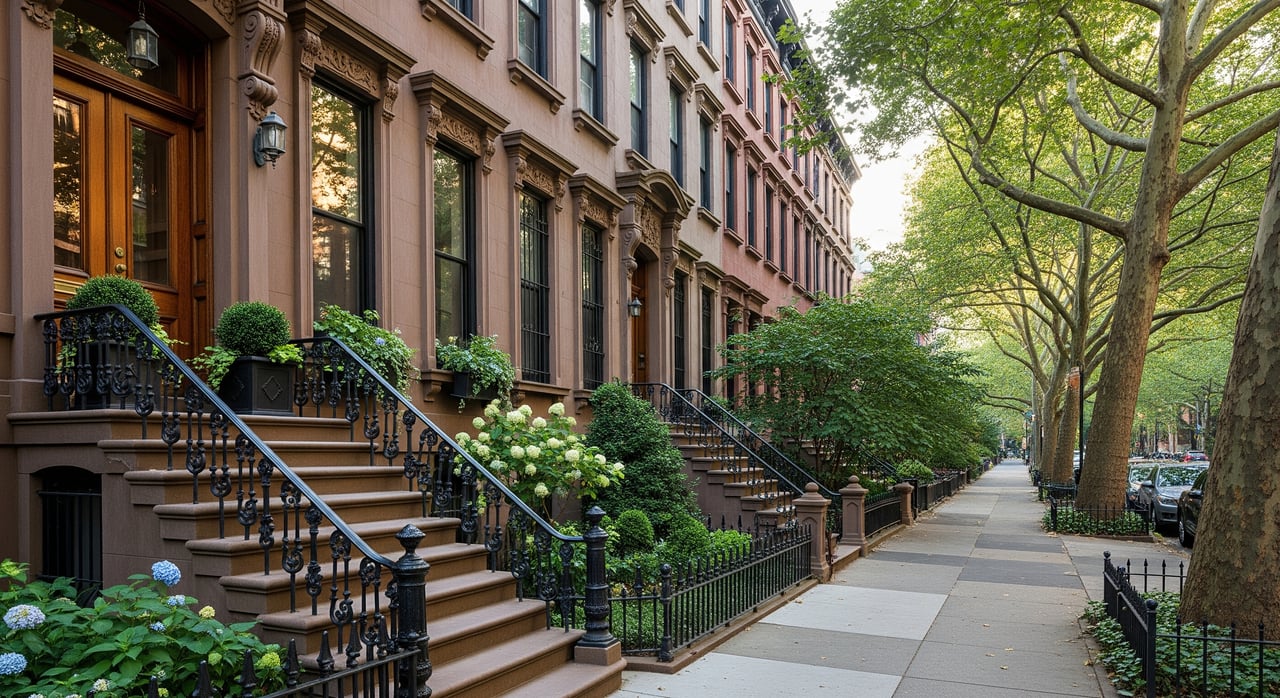
Is Prospect Heights the right Brooklyn neighborhood for you? If you want culture on your doorstep, leafy streets, and easy access to the rest of the city, this area often rises to the top of the list. You might be balancing budget, commute, and lifestyle while trying to get a clear picture of daily life here. In this guide, you’ll learn what the neighborhood feels like, where people spend their time, and what to expect from housing, transit, and amenities. Let’s dive in.
Prospect Heights at a glance
Prospect Heights sits beside Prospect Park and Grand Army Plaza, with Barclays Center and Atlantic Avenue at its southern edge. You are a short walk to Park Slope, Fort Greene, and Crown Heights, which expands your options for dining, shopping, and entertainment. Locals describe it as centrally located, residential at the block level, and close to some of Brooklyn’s biggest cultural anchors.
The neighborhood has a long history as a mixed community and has seen steady change since the 2000s. Today you’ll find long-time residents, young professionals, and growing numbers of households who choose the area for its park access, museums, and strong transit connections.
Cultural anchors nearby
If weekend culture matters, Prospect Heights delivers. The Brooklyn Museum sets the tone with major exhibitions and community programming. A few minutes away, the Brooklyn Botanic Garden’s events calendar highlights seasonal displays, classes, and family-friendly programs. Many residents also walk to the Brooklyn Academy of Music in adjacent Fort Greene for film, dance, and theater at BAM.
At the neighborhood’s edge, Barclays Center brings a steady flow of concerts and sports. You can preview headliners and plan around peak arrival times on the Barclays Center events page. This mix creates a lively arts-and-entertainment loop that is easy to access on foot.
Green space and recreation
Prospect Park functions like a shared backyard for the neighborhood. According to NYC Parks’ Prospect Park page, you have running and biking loops, the Long Meadow for picnics, ball fields, playgrounds, a lake, and seasonal programming. Many weekend routines revolve around the park, from stroller walks and pick-up soccer to summer concerts.
Right next door, the Brooklyn Botanic Garden offers a quieter, curated outdoor experience. Locals plan visits around the spring cherry blossoms, specialized gardens, and classes. The museum, the garden, and the park together create a triangle of culture and green space that shapes daily life year-round.
Pocket parks, playgrounds, and schoolyards add to your options for fresh air closer to home. If a dog run or specific recreation facility matters to you, it helps to walk the blocks you’re considering to see what feels convenient.
Dining, cafés, and daily convenience
Prospect Heights is known for neighborhood restaurants, cafés, bakeries, and bars along Vanderbilt Avenue and nearby corridors. You will find casual coffee spots, brunch go-tos, and evening bistros. Closer to Atlantic Terminal, the mix leans more commuter friendly, with grab-and-go options and larger retail.
Most errands can be handled on foot. Specialty grocers, pharmacies, fitness studios, and service businesses are stitched into the streets between the park and Atlantic Avenue. The overall vibe is relaxed and local, with enough variety to keep regular routines interesting.
Weekend routines and local markets
Saturdays often start at the Grand Army Plaza Greenmarket, where you can stock up on produce, bread, and pantry staples. Check the Grand Army Plaza Greenmarket schedule to see hours and seasonal vendors. From there, many residents loop into Prospect Park for a walk or head to the museum for an exhibition.
Event days at Barclays Center add a different energy. Expect more foot traffic near Atlantic Avenue and the arena before and after shows. On those evenings, some locals choose restaurants a few blocks deeper into the neighborhood, while others enjoy being in the middle of the buzz.
Housing types and what to expect
Prospect Heights features a classic Brooklyn mix:
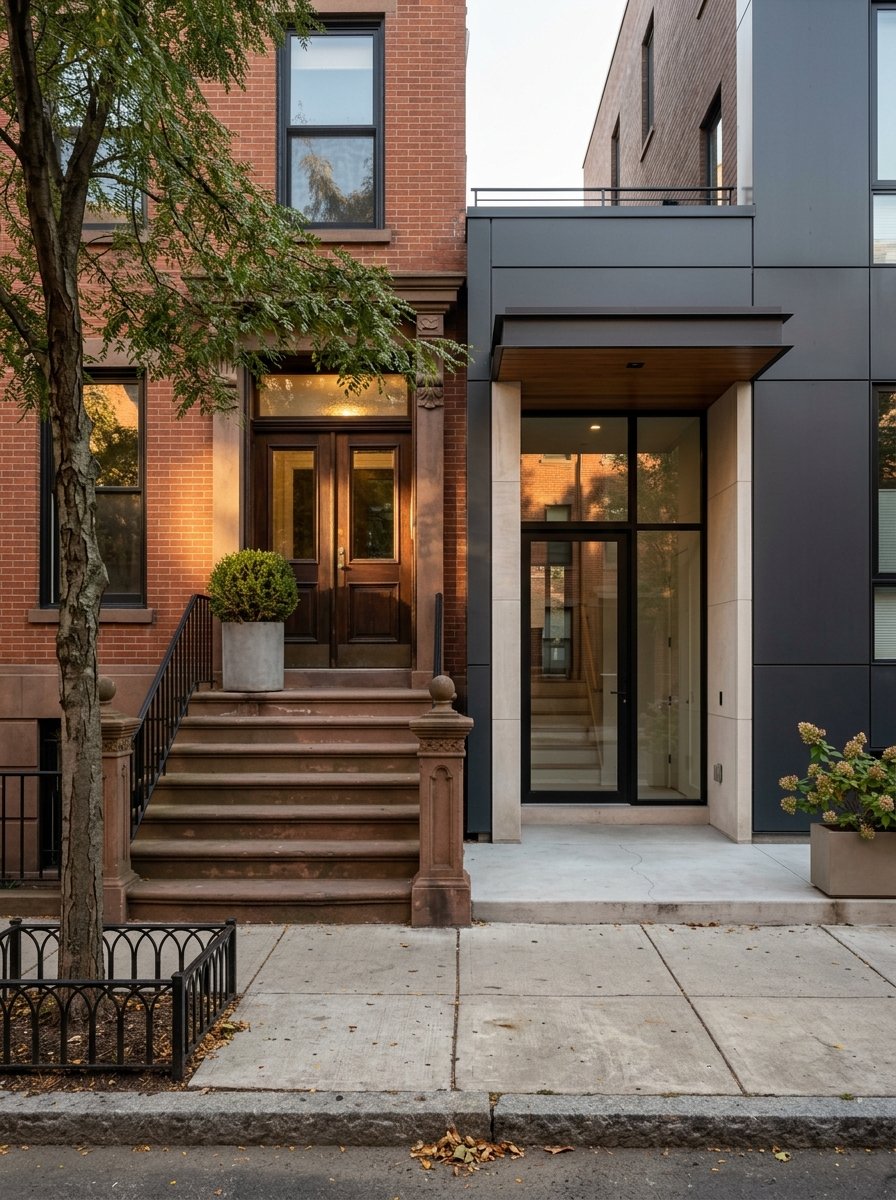
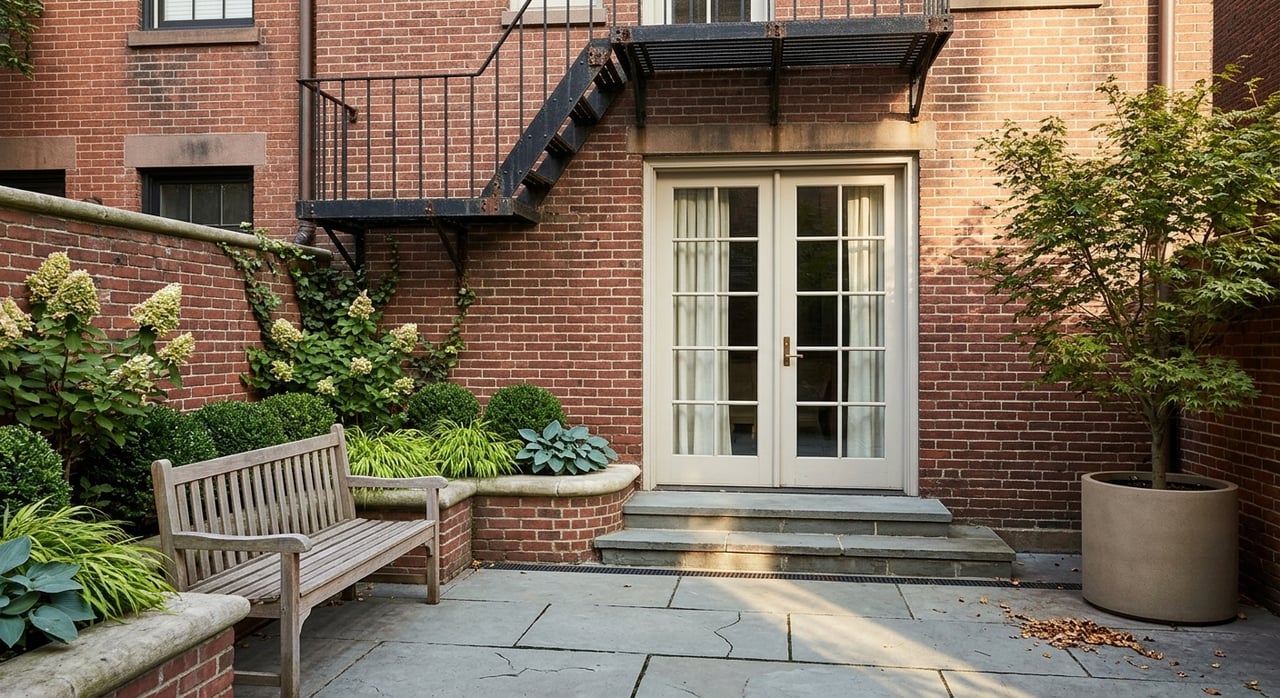
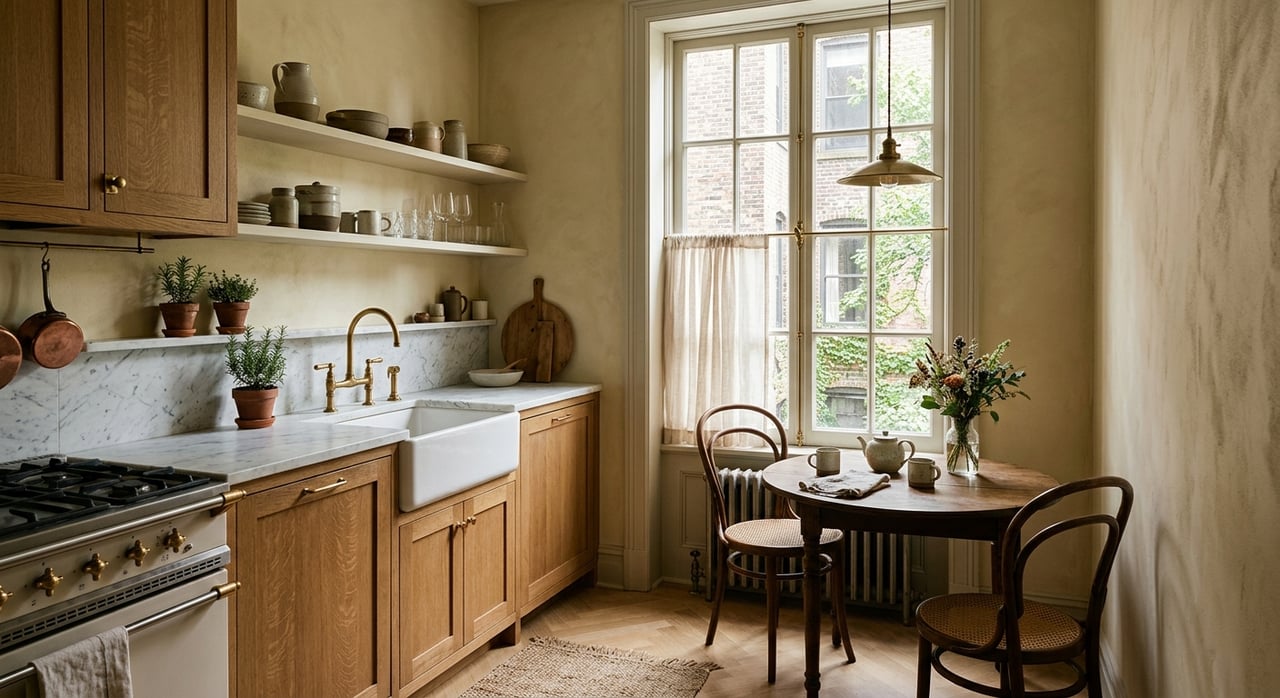
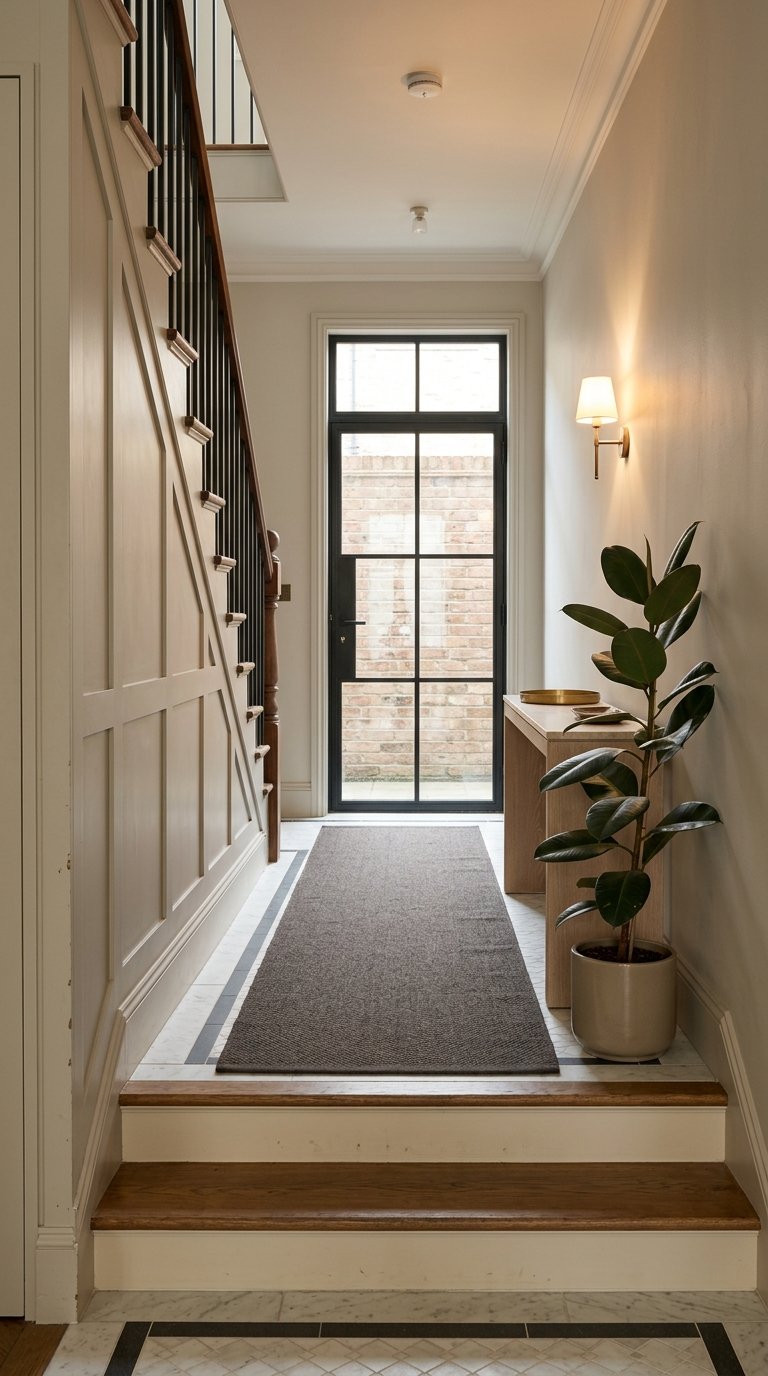
- Brownstones and rowhouses with stoops and historic facades, often updated inside.
- Prewar walk-ups and elevator buildings that are frequently co-ops.
- Newer condos and rentals, especially near Atlantic Avenue, Vanderbilt Avenue, and the Pacific Park development.
- Mixed-use blocks where ground-floor retail sits below apartments.
Inventory for move-in-ready homes can be competitive. Prices and rents are generally above the Brooklyn average and align with nearby Park Slope and Fort Greene. Sellers and landlords often highlight proximity to Prospect Park, the museum, and the garden as premium features. If you need space for a home office or prefer in-building amenities, newer developments near Atlantic Avenue add options that may fit.
Transit and commuting
Transit is a major strength. Atlantic Terminal and Barclays Center connect you to multiple subway lines and the LIRR. You can preview connections and plan timing using the MTA subway map. For many residents, commuting to Manhattan is straightforward and on par with other central Brooklyn neighborhoods.
Within Prospect Heights, you’ll also find bus lines and Citi Bike stations, plus bike-friendly routes to adjacent areas. Given the convenience of transit, many households skip car ownership. If you do have a car, plan around metered and regulated street parking.
Schools, childcare, and community life
You have access to several public elementary schools, charter options, and private schools in and around the neighborhood. Admissions zones and program offerings can change, so it is best to review current NYC Department of Education profiles and talk to local parent groups. Daycare demand can be high, and many families consider programs in adjacent neighborhoods in addition to local options.
Community life is active, with neighborhood groups and Brooklyn Community Boards engaging on topics like parks, development, and transportation. If you care about future projects or zoning updates, attending a community meeting is a helpful way to plug in.
Who tends to feel at home
- Young professionals who want culture, dining, and strong transit.
- Couples or small households who value green space and walkability.
- Long-time residents and empty-nesters who appreciate quieter residential blocks with easy access to big-city amenities.
If you are priced out of nearby Park Slope or Cobble Hill, Prospect Heights can deliver a similar blend of historic streets and cultural access with its own distinct, central-Brooklyn feel.
Pros and cautions to weigh
Pros
- Exceptional access to Prospect Park, the Brooklyn Museum, and the Brooklyn Botanic Garden.
- Walkable streets, plenty of local cafés and restaurants, and an active weekend market.
- Strong transit hub at Atlantic Terminal and multiple subway lines.
- Architectural variety, from brownstones to new construction.
Considerations
- Housing costs are relatively high for Brooklyn.
- Event traffic near Barclays Center can be busy at peak times.
- Ongoing development near Atlantic Avenue changes streetscapes and activity.
- Street parking is limited and regulated; plan accordingly.
Safety and practical planning
Public safety perceptions vary by block and by proximity to busy corridors. For current data, review precinct reports and maps on NYPD CompStat and consider attending local precinct community council meetings. As with any NYC neighborhood, walking the area at different times of day helps you understand your comfort level.
For future development and zoning, community board minutes and borough planning documents are useful. If you are evaluating a specific building or block, check how upcoming projects might affect traffic patterns, retail mix, or available services.
How to explore like a local
- Start your morning with a coffee on Vanderbilt Avenue, then stroll into Prospect Park.
- Visit the Brooklyn Museum and the Brooklyn Botanic Garden calendar to time a double-header day.
- Plan a Saturday around the Grand Army Plaza Greenmarket and a picnic on the Long Meadow.
- Check BAM’s schedule and the Barclays Center events page for evening options.
- Use the MTA map to test your commute during the hours you care about most.
Bottom line
Prospect Heights blends museum-level culture, a major urban park, and easy city access with a calm, residential feel on most blocks. You can live steps from flagship institutions and still enjoy neighborhood routines like coffee runs, playground time, and a Saturday market. If you value walkability and green space, it is hard to beat this location.
Curious how specific blocks or buildings fit your wish list? For a thoughtful conversation about your options and next steps, reach out to Greg Mire for a friendly, no-pressure chat.
FAQs
What is Prospect Heights’ daily vibe like?
- Most blocks feel residential and relaxed, with busy pockets near Vanderbilt Avenue, Grand Army Plaza, and event times at Barclays Center.
How close are the park and museums to typical streets?
- Many homes are a short walk from Prospect Park, the Brooklyn Museum, and the Brooklyn Botanic Garden, which sit along the neighborhood’s western and southern edges.
What housing types will I find in Prospect Heights?
- Expect brownstones and rowhouses, prewar co-ops, and newer condos or rentals closer to Atlantic Avenue and Pacific Park.
How does pricing compare with nearby areas?
- Prices and rents are typically above the Brooklyn average and competitive with Park Slope and Fort Greene, with tight inventory for move-in-ready homes.
What are the transit options to Manhattan?
- You have multiple subway lines and the LIRR at Atlantic Terminal; use the MTA subway map to plan the fastest route for your commute.
Are there crowds near Barclays Center?
- Yes, foot traffic increases before and after major events; it is most noticeable close to Atlantic Avenue and the arena itself.
Where can I verify safety trends?
- Review precinct data on NYPD CompStat and visit blocks at different times to assess your own comfort.
How should I research schools and daycare?
- Check current NYC Department of Education profiles for schools serving your address and speak with local parent groups; daycare waitlists can be common.