Want the Village’s creative energy without the late-night noise? You can have both. Tucked just off the lively corridors are short lanes, mews, and tree-lined side streets where life feels calm and residential. In this guide, you’ll learn where to look, what daily life feels like, and the housing details that matter when you want quiet without leaving Greenwich Village. Let’s dive in.
Why quiet pockets persist
Greenwich Village sits in Lower Manhattan, roughly between West 14th Street, Broadway, Houston Street, and the Hudson River. Much of the neighborhood falls within the Greenwich Village Historic District, where landmark oversight limits large-scale redevelopment and helps preserve low-rise blocks and historic lanes. This protected fabric is a big reason why quieter streets still exist next to busy avenues. For a quick primer, see the broad neighborhood overview on Greenwich Village and the historic-district context from Village Preservation.
Short, gated mews and tiny cul-de-sacs add to the calm. Many started life as service lanes for stables, which explains their narrow scale, cobblestones, and limited traffic. Combine that with rows of 19th-century townhouses and prewar walk-ups, and you get a residential rhythm that feels distinctly quieter than nearby retail corridors.
Four quietly residential streets to know
Washington Mews
Just north of Washington Square Park, Washington Mews is a short, private cobblestone lane lined with former stables that became small houses, studios, and faculty housing. Its gated setting and limited vehicle access create a hushed, enclosed feel even when the park is lively a block away. You will find mostly 1 to 3 story structures with landmarked facades and small footprints. For history and images, see Washington Mews.
Daily life: expect footsteps on stone, light bicycle traffic, and soft lighting at night. Quick walks bring you to major trains at West 4th/Washington Square, so you can leave the car behind and keep commutes simple.
Patchin Place
Off West 10th Street near Sixth Avenue, Patchin Place is a narrow, gated cul-de-sac known for its mid-19th-century brick houses. Its compact scale and single entry make it feel intimate and calm compared to the surrounding avenues. Housing here includes modest three-story townhouses with a mix of small apartments and historic single-family conversions. Learn more at Patchin Place.
Daily life: stoops and short sightlines set a neighborly tone. West 4th/Washington Square is a short walk for multi-line subway access, and Washington Square Park is close by for daytime play and shaded benches.
MacDougal Alley
A classic former stable lane behind grander houses, MacDougal Alley reads like a preserved service court. You will see low-rise facades, artist-studio footprints, and limited vehicle access. The lane sits moments from the park but feels buffered from the nearby restaurant scene.
Daily life: quieter evenings, especially after dinner hours, with quick access to the park for morning walks.
St. Luke’s Place
This short, curved block showcases a cohesive row of mid-19th-century homes. The architecture is elegant and residential, and the block feels calmer than the surrounding avenues. Many homes are larger than on the mews-style lanes, which appeals if you want more square footage while staying on a quiet street.
Daily life: leafy sidewalks, slower car speeds, and an easy stroll to the 1 train at Christopher Street for straightforward Midtown or Uptown trips.
Tree-lined blocks between the avenues
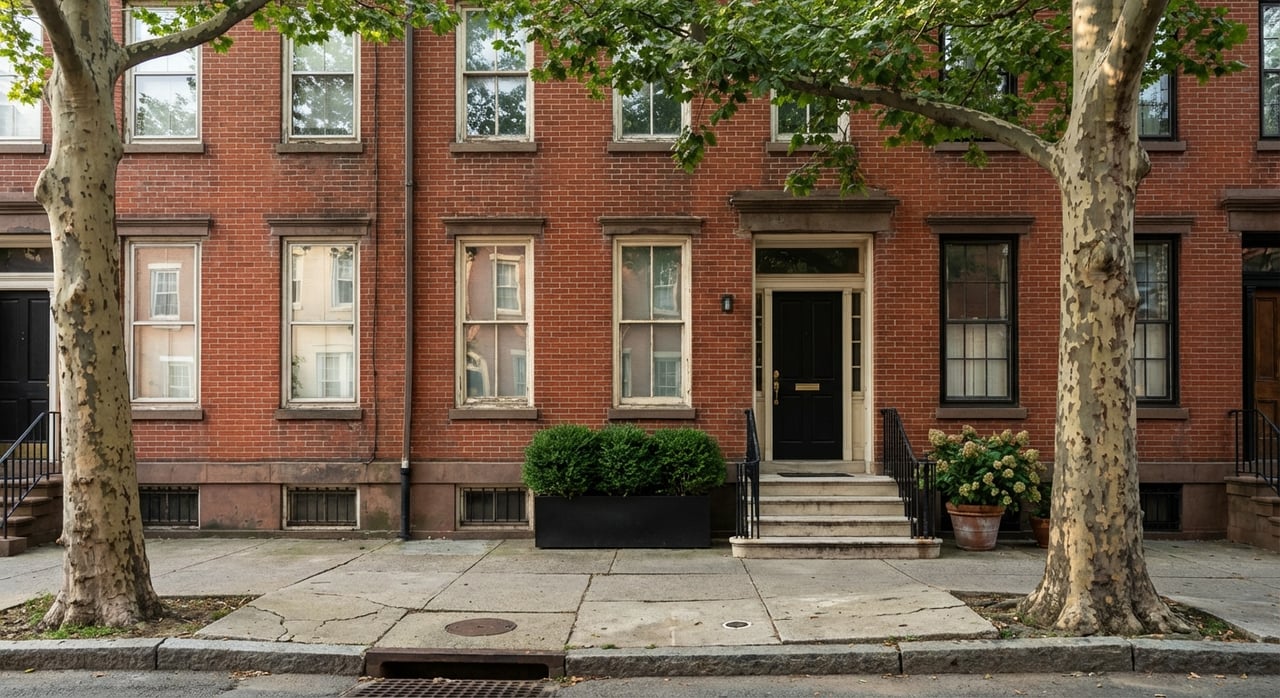
If you prefer wider residential streets over mews, focus on townhouse rows between the avenues. Bank, Grove, Bedford, Cornelia, Perry, and Barrow Streets are often cited as calmer, leafy, and largely low-rise, especially on midblock sections. Portions of these streets sit within the historic district, which helps preserve their scale and character. Browse street-level scenes via Village Preservation’s image archives.
On these blocks you will find classic stoops, mature trees, and a quieter sound profile than the busier corridors like Bleecker, West 4th, or Christopher. The trade-off is that vibrant dining and shopping are usually within a block or two, so noise can rise as you approach the corners. Midblock units often enjoy the calmest setting.
Daily life: sound, parks, and transit
Sound and rhythm: Short lanes and gated mews tend to be the quietest in the evening. On tree-lined side streets, you will notice lower traffic noise and more residential foot traffic, especially outside peak dining hours. Noise generally increases as you near restaurant and retail corridors or approach major avenues.
Green space: Washington Square Park anchors the neighborhood with lawns, playgrounds, and daily activity, all within a short walk of many quiet blocks. To the west, Hudson River Park and the Christopher Street Pier offer lawns and sunset views that feel like a reset from city pace. Learn more from the NYC Parks page for Washington Square Park and the overview of Hudson River Park lawns and gardens.
Transit and walkability: The Village is very walkable and highly connected by subway. Key nearby stations include West 4th/Washington Square for multiple lines, 14th Street/Union Square for many lines, and Christopher Street on the 1 train. This connectivity keeps car ownership optional for many residents on quieter blocks.
Parking and moves: Curb parking is scarce and governed by alternate-side rules and street cleaning. Most residents rely on garages, car-share, bikes, and transit. If you are planning a move, schedule ahead for building access, moving trucks, and curbside coordination. For rules and contacts, check the City’s guidance on alternate-side and street cleaning.
What homes you will find
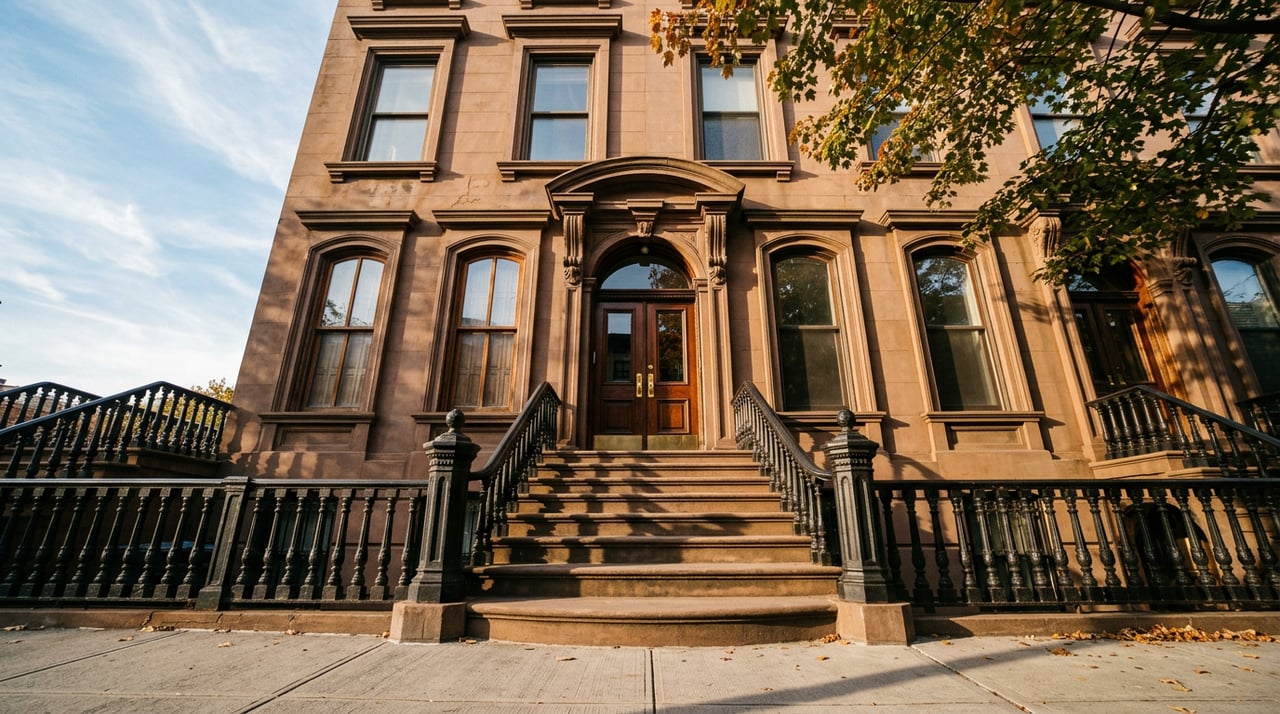
Housing types: The quieter Village blocks are defined by mid-19th-century brownstones and rowhouses, prewar walk-ups, and low-rise co-op buildings. Boutique condos and loft conversions are more common near busier edges, such as closer to 14th Street or the Hudson. Historic-district protections help keep many side streets low-rise, which maintains their residential tone. See the preservation context from Village Preservation.
Co-op vs. condo: Many prewar buildings and townhouse conversions are co-ops. Co-ops typically require board approval, may have sublet restrictions, and include taxes and building debt in the monthly maintenance. These governance features often support long-term stability but can add steps to your purchase. Newer or boutique buildings near the neighborhood’s edges tend to be condos, which usually allow more flexible resale or sublet policies. For a practical overview, review the co-op vs. condo guide from SmartAsset.
Pricing: Directional snapshots show the Village trading above citywide medians. StreetEasy’s fall 2025 roundup cited a roughly 1.25 million dollar median sale figure for Greenwich and West Village in its September 2025 snapshot. A separate June 2025 report from Rocket placed the Village median closer to 1.75 million dollars over a 12-month lookback. These differences reflect methods, time windows, and property mixes. Always re-check current data before you decide. For context, see StreetEasy’s fall coverage of market momentum (NYC’s start to fall market).
Rents: Median Village rents typically run well above city averages and vary by unit size and micro-location, often in the mid-to-upper 4,000 to 6,000 plus dollar range per month. Re-pull live rental comps before you tour so you understand current pricing on your exact block.
How to choose your quiet corner
Use this quick checklist to focus your search:
- Prioritize mews and cul-de-sacs for the quietest evenings. Washington Mews and Patchin Place are good reference points.
- On tree-lined blocks, focus midblock and one or two streets off the main corridors for less through-traffic.
- Walk the exact address three times: weekday midday, a weekend evening, and a late night. Listen for restaurant, bar, or delivery activity at the corners.
- Verify if the building is a co-op or condo, and review board rules for guests, sublets, and renovations if quiet living is a priority.
- Map your daily routes to parks and subway stations like West 4th/Washington Square or Christopher Street to keep commutes easy without a car.
- If you plan to move by truck, confirm building access, elevator or stoop logistics, and alternate-side timing to avoid fines or delays.
- Re-pull sale and rental comps right before you submit an offer or application so your numbers reflect current demand.
Next steps
If you love the Village’s culture and want a calmer daily rhythm, focus on mews, short lanes, and midblock townhouse rows within the historic district. Visit at different times, match your housing type to your lifestyle, and keep an eye on governance rules that shape building culture.
For curated guidance on where to find the quiet corners that fit your goals, reach out to Greg Mire to request a confidential consultation.
FAQs
Is Greenwich Village too noisy to live in if I want quiet nights?
- Not necessarily. Gated mews, short cul-de-sacs, and midblock townhouse rows offer noticeably calmer settings, with livelier avenues usually just a block or two away.
Where are the calmest blocks in the Village for everyday living?
- Look at Washington Mews or Patchin Place for mews-style quiet, and midblock stretches of Bank, Grove, Bedford, Cornelia, Perry, or Barrow for leafy townhouse rows.
How close are quiet streets to parks and the waterfront?
- Many are a short walk to Washington Square Park, and several blocks west reach Hudson River Park and the Christopher Street Pier for lawns, paths, and sunsets.
What subway stations serve these quieter pockets well?
- West 4th/Washington Square connects to multiple lines, 14th Street/Union Square serves many routes, and the 1 train at Christopher Street covers north-south trips.
Do co-op rules help maintain a quieter building culture?
- Often yes. Co-op approval and sublet rules can reduce turnover and short-term rentals. Always review each building’s policies before you commit.