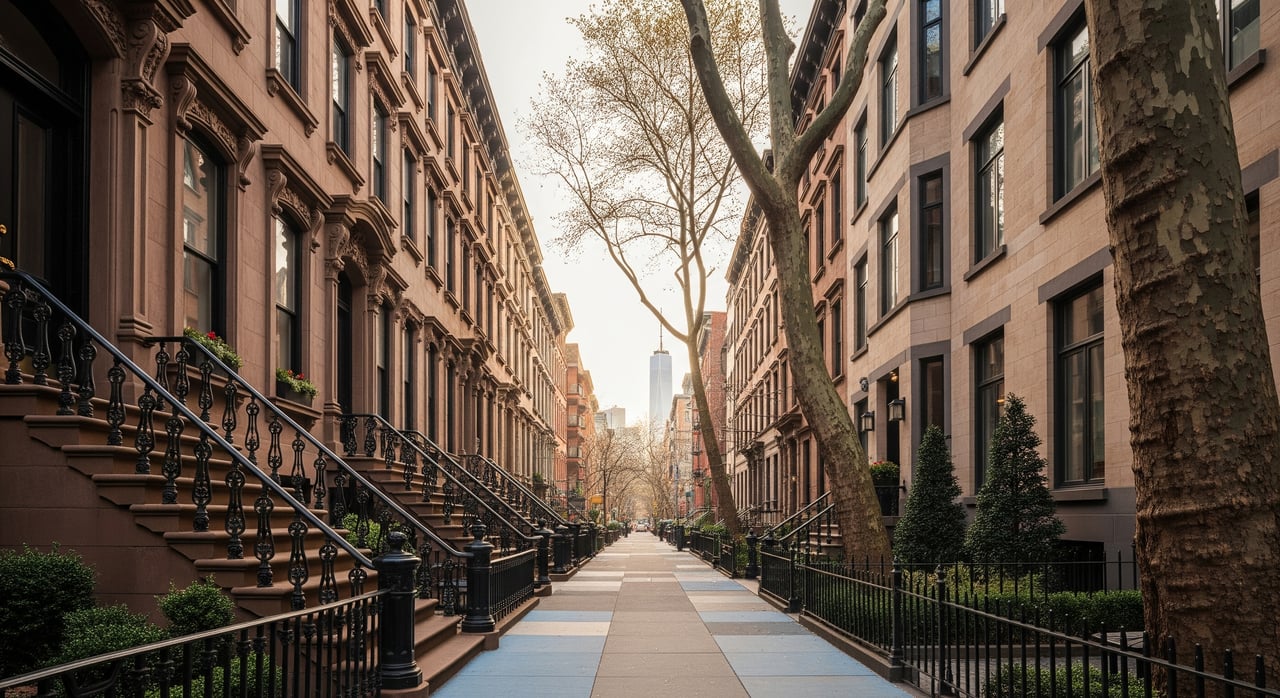
Thinking about a classic Brooklyn Heights home and wondering if a brownstone or a townhouse is the better fit for you? The terms get used interchangeably, which can make your search confusing. You want beauty and history without surprises on upkeep, approvals, or resale. This guide breaks down what each term means in Brooklyn Heights, how façades affect maintenance, what landmark rules require, and what to check before you buy. Let’s dive in.
Brownstone vs. townhouse: what’s what
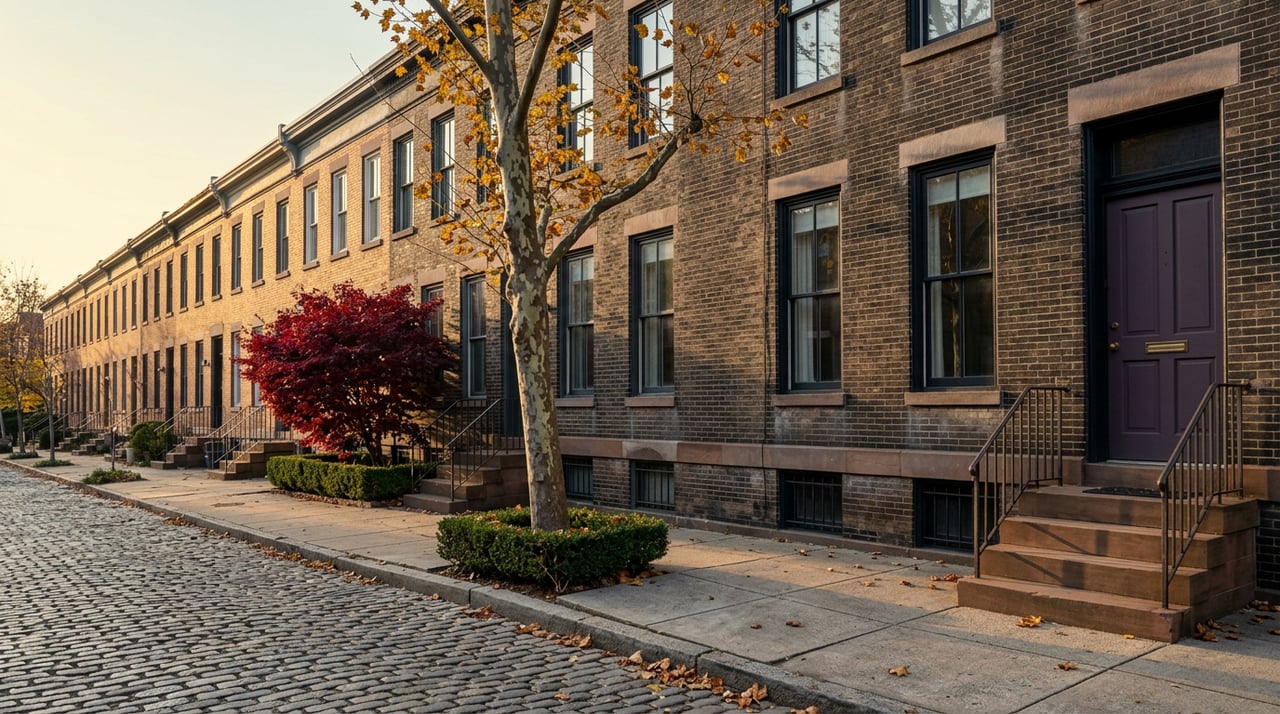
In New York City, “brownstone” refers to the façade material. A brownstone is a rowhouse faced in brown-colored sandstone with a signature stoop and carved detail. The term is common for mid-19th-century homes you see throughout Brooklyn Heights.
“Townhouse” describes the building type, not the façade. A townhouse is a rowhouse that shares walls with its neighbors. In Brooklyn Heights, townhouses can be faced in brownstone, limestone, or brick. So every brownstone is a townhouse, but not every townhouse is a brownstone.
Limestone townhouses feature lighter, smoother stone that often carries refined carving. Brick townhouses rely on fired clay units and mortar joints, sometimes paired with brownstone or limestone lintels and stoops. Each façade type looks different and ages differently, which matters for long-term care.
Brooklyn Heights context and historic character
Brooklyn Heights is one of New York City’s earliest local historic districts. That historic status protects the streetscape and influences how you maintain and update a property. It also helps sustain strong curb appeal and long-term market interest.
The neighborhood’s townhouses span Greek Revival, Italianate, Neo-Grec, and other 19th-century styles. Materials often align with the era. For example, many Italianate rowhouses include brownstone stoops and façades, while later homes incorporate limestone or detailed brickwork.
Typical layouts you’ll see
Most houses follow a familiar vertical plan that shapes daily living:
- Garden level: Often at or just below grade. May have a separate entrance and sometimes a secondary kitchen or a rental unit. Light and ceiling height vary.
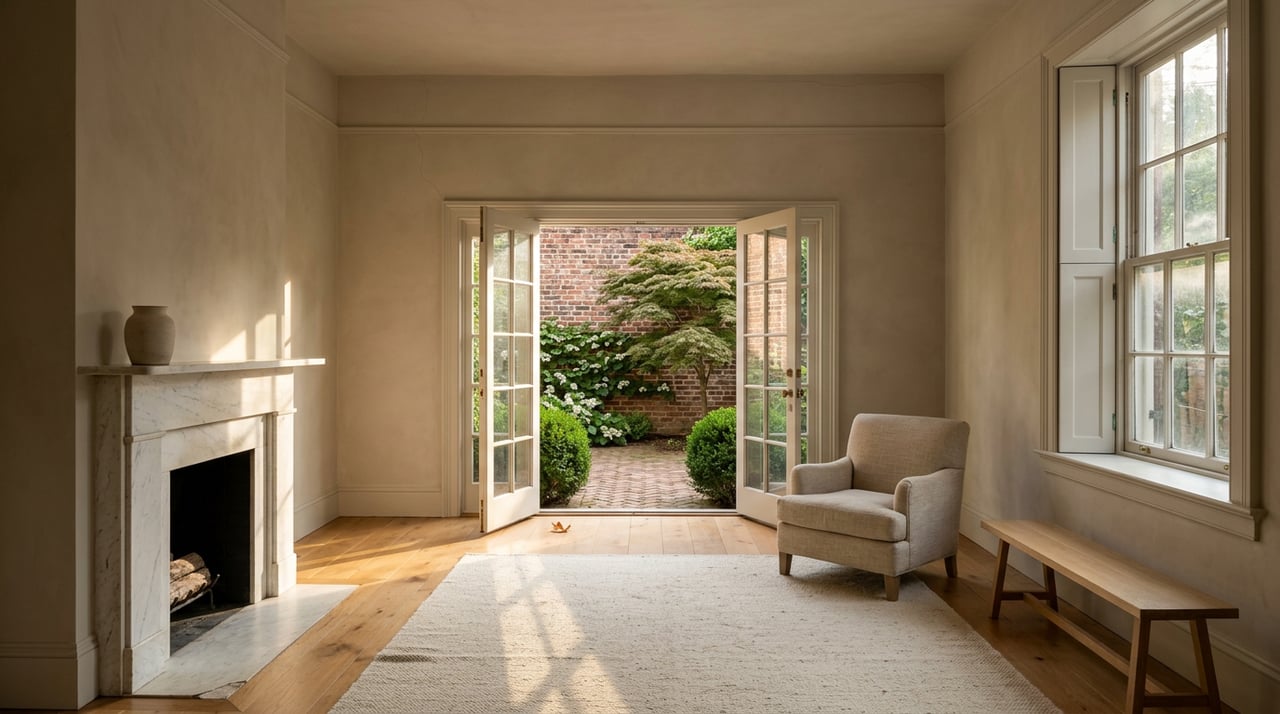
- Parlor floor: The raised first floor above the stoop. Expect tall windows, high ceilings, and original mantels or plasterwork. It is the showcase floor in many listings.
- Upper floors: Bedrooms and private rooms on second and third floors. Some homes include a finished attic or a mansard level.
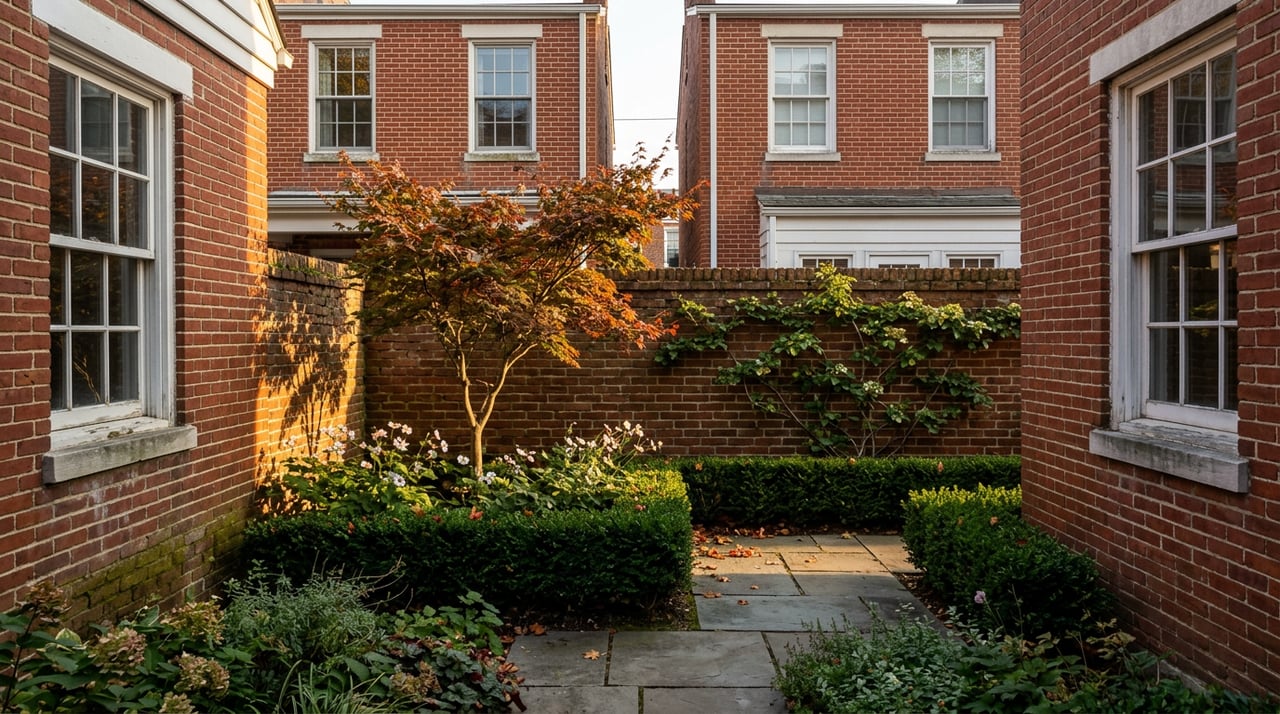
- Rear extensions and yards: Many houses have kitchen extensions at the rear and small private outdoor spaces.
If you plan to rent a garden apartment, confirm legality, egress, and separate mechanicals. Parlor-floor living offers gracious scale, but stoops and stairs can affect accessibility.
How façade materials age and what that means
Your façade influences maintenance, repair methods, and cost. Here’s how each common material tends to behave.
Brownstone (sandstone)
- What it is: Softer, porous stone with warm brown tones and carved detail.
- How it ages: Prone to moisture absorption, freeze and thaw damage, scaling, and exfoliation. Abrasive cleaning can permanently harm the surface.
- Typical care: Regular masonry assessments, repointing, strategic patching or dutchman stone repairs, and improved water management. Matching mortar composition and gentle cleaning methods matter.
Limestone
- What it is: Lighter, denser stone that accepts fine carving.
- How it ages: Can stain biologically and erode on the surface. Mortar joints can fail, and salts can crystallize if water moves through the stone.
- Typical care: Selective stone replacement, careful cleaning, and repointing. It usually needs less frequent heavy intervention than soft brownstone.
Brick
- What it is: Fired clay units with mortar joints. Often combined with stone lintels, sills, or stoops.
- How it ages: Mortar joints wear and need periodic repointing. Face brick can spall, and moisture mismanagement can lead to efflorescence.
- Typical care: Repointing with compatible mortar, targeted brick replacement, flashing repairs, and source-of-water fixes.
Shared elements to watch
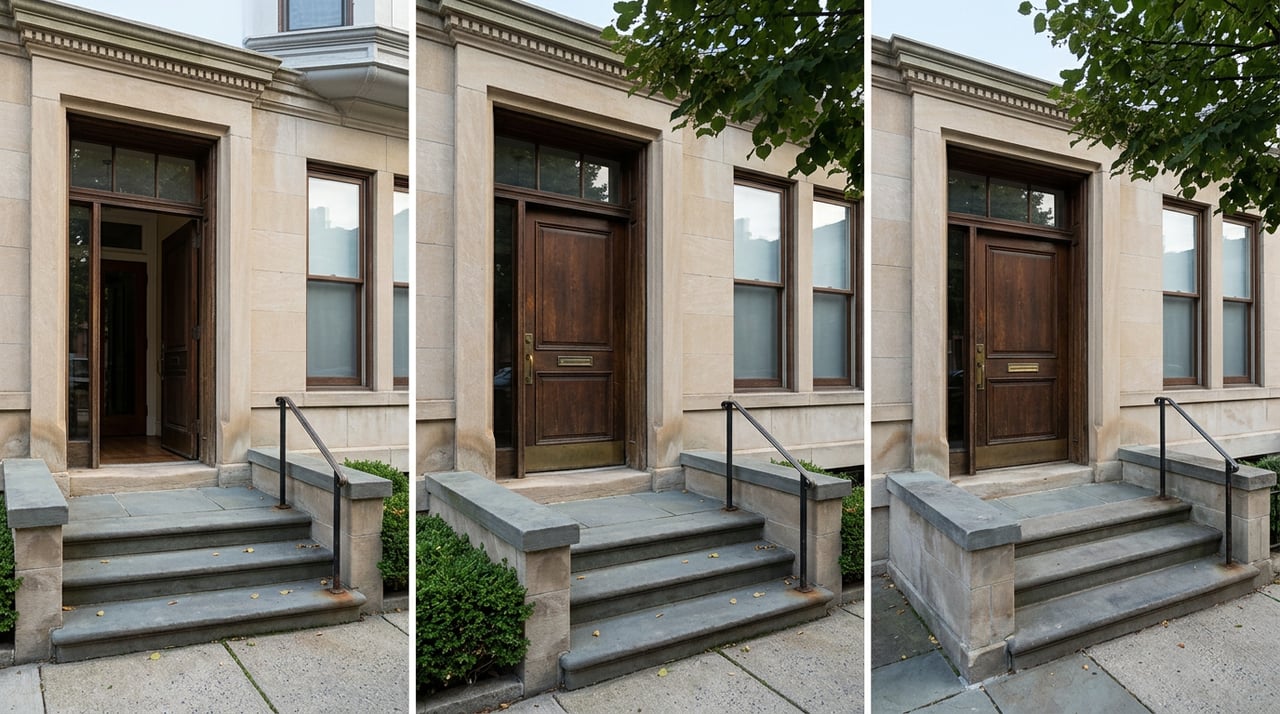
- Stoops and steps: Cracking, settling, or loose railings may require resetting or rebuilding.
- Cornices: Wood, metal, or stone cornices can deteriorate and may need specialized repair or replication.
- Lintels, sills, and ironwork: Deterioration around openings and rust in railings are common maintenance items.
Landmark rules you need to know
Because much of Brooklyn Heights is within a local historic district, exterior changes visible from the street typically require Landmarks approval. Routine in-kind repairs may be permitted through a staff-level process, but documentation is important. Larger changes, like new openings or a reconstructed stoop, may require a public hearing.
Interior renovations usually do not require Landmarks review unless they affect the exterior or involve a rare interior landmark designation. Separate from Landmarks, many projects also require Department of Buildings permits. Structural changes, plumbing and electrical work, and rooftop or façade scaffolding often trigger DOB filings and inspections.
Practical takeaway: Build time into your schedule. Exterior work may involve weeks or months for review and permit sequencing. When evaluating a home, ask for prior Landmarks approvals, DOB permits, and any open violations.
Maintenance intensity by façade
- Brownstone: Often the most maintenance-intensive over time due to porosity and softness. Expect periodic masonry assessments and targeted stone replacement using preservation methods.
- Limestone: Generally moderate. Less fragile than soft brownstone, but it still needs careful cleaning, repointing, and water control.
- Brick: Often the lowest frequency of major façade work when well maintained. Mortar repointing remains a cyclical need.
Across all materials, water management is key. Flashing, gutters, downspouts, and grade conditions can make or break long-term performance.
Renovation complexity and timelines
- Façade repairs and repointing: Medium complexity. Requires skilled masons and Landmarks coordination. Often phased.
- Stoops, cornices, and street-visible windows: Higher complexity. Expect detailed review and historically accurate work.
- Garden level renovations: Complexity depends on egress, moisture mitigation, and mechanical separation. Legalities and DOB permitting apply.
- Roof work and rooftop additions: High complexity. Visibility from the street is evaluated. Setbacks and height can affect approval.
Historic work tends to cost more than modern equivalents because of specialized materials, skilled labor, and approval timelines. Plan for contingencies. Hidden issues often emerge once scaffolding goes up.
Resale considerations in Brooklyn Heights
Brooklyn Heights remains one of the most sought-after neighborhoods in Brooklyn. Buyers respond to intact façades, preserved parlor floors, and cohesive rows with stoops and cornices. The historic district helps protect those qualities and supports long-term desirability.
Potential sensitivities include accessibility challenges from stoops, the cost of preservation-grade repairs, and the time needed for approvals. Properties with unresolved masonry needs or active violations can complicate a sale. If a garden apartment or basement unit provides income, make sure it is legal and permit compliant so it can be recognized in financing and valuation.
Buyer checklist for due diligence
Before making an offer or during attorney review, request:
- Copies of prior Landmarks approvals and DOB permits
- Certificates of occupancy for any apartment conversions
- Recent masonry or structural inspection reports
- Records of waterproofing, foundation, and drainage work
Line up the right experts:
- Licensed home inspector for general systems
- Structural engineer for settlement, large cracks, or framing concerns
- Preservation-minded mason or façade contractor
- Architect experienced with Landmarks and DOB filings
Watch for red flags:
- Patchwork that looks recent but mismatched, which can hide moisture issues
- Vertical cracks, bulging façades, or deep mortar loss
- Rusting steel lintels, failing flashing, or hard Portland cement on soft stone
Which is right for you?
Choose a brownstone if you love warm stone, carved detail, and the classic stoop presence, and you are comfortable budgeting for more frequent façade care. Choose limestone if you prefer a refined look and somewhat lower façade fragility. Choose brick if you want a timeless aesthetic with generally lower routine façade maintenance, while still planning for repointing and water control.
Whichever you pick, prioritize a preservation-aware inspection, confirm approvals and permits, and budget time for Landmarks and DOB steps. That preparation helps you buy with confidence in Brooklyn Heights.
Ready to talk through a specific property or plan your due diligence path? Connect with Greg Mire for a clear, next-step conversation.
FAQs
What is the difference between a brownstone and a townhouse in Brooklyn Heights?
- A brownstone refers to the sandstone façade, while a townhouse is the rowhouse building type that can be faced in brownstone, limestone, or brick.
How do landmark rules affect exterior renovations in Brooklyn Heights?
- Exterior work visible from the street generally requires Landmarks approval, with larger changes often needing more detailed review and longer timelines.
Are interiors reviewed by Landmarks in Brooklyn Heights homes?
- Interiors are usually outside Landmarks jurisdiction unless they impact the exterior or involve a rare interior landmark designation.
Which façade type needs the most maintenance over time?
- Brownstone is typically the most maintenance-intensive due to softness and porosity, followed by limestone, with brick often requiring the least frequent major interventions.
What should I verify before buying a townhouse with a garden apartment?
- Confirm legality, egress, separate utilities if applicable, and that permits and certificates of occupancy align with the current layout.
What inspections are most helpful for historic townhouses?
- A general home inspection, a structural engineer review if there are signs of movement, and a preservation-minded masonry assessment provide a clear picture.