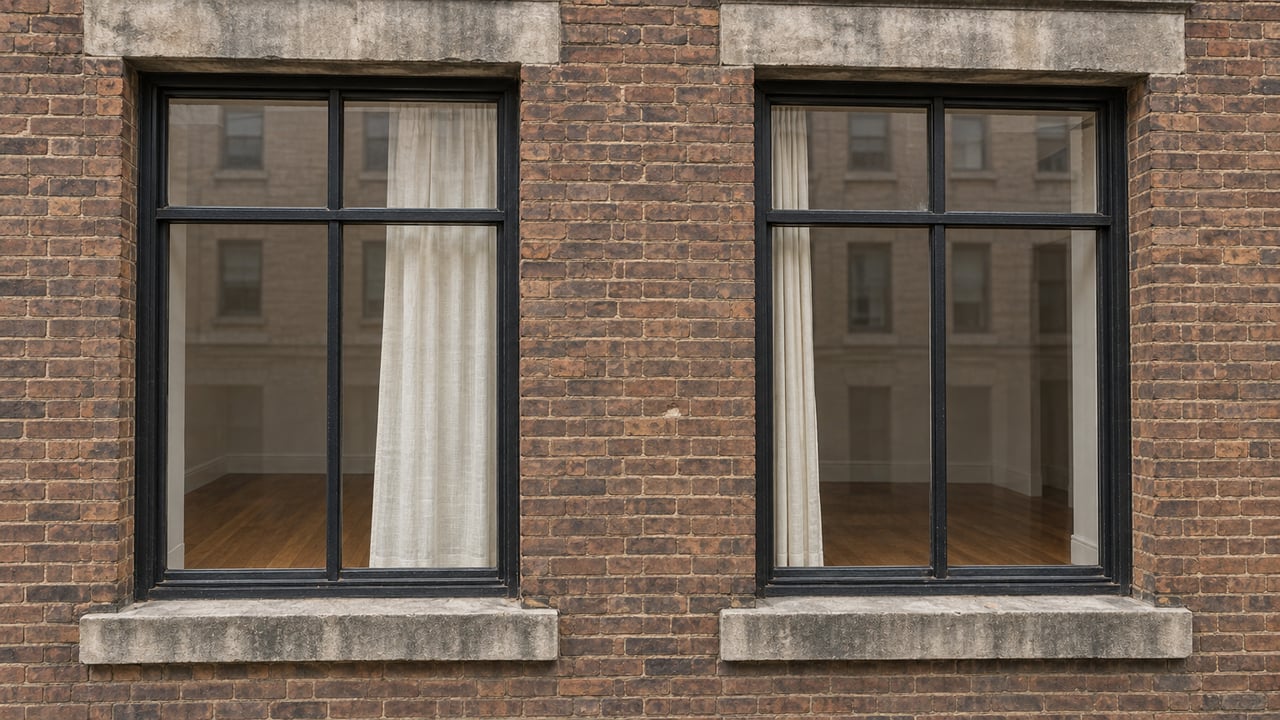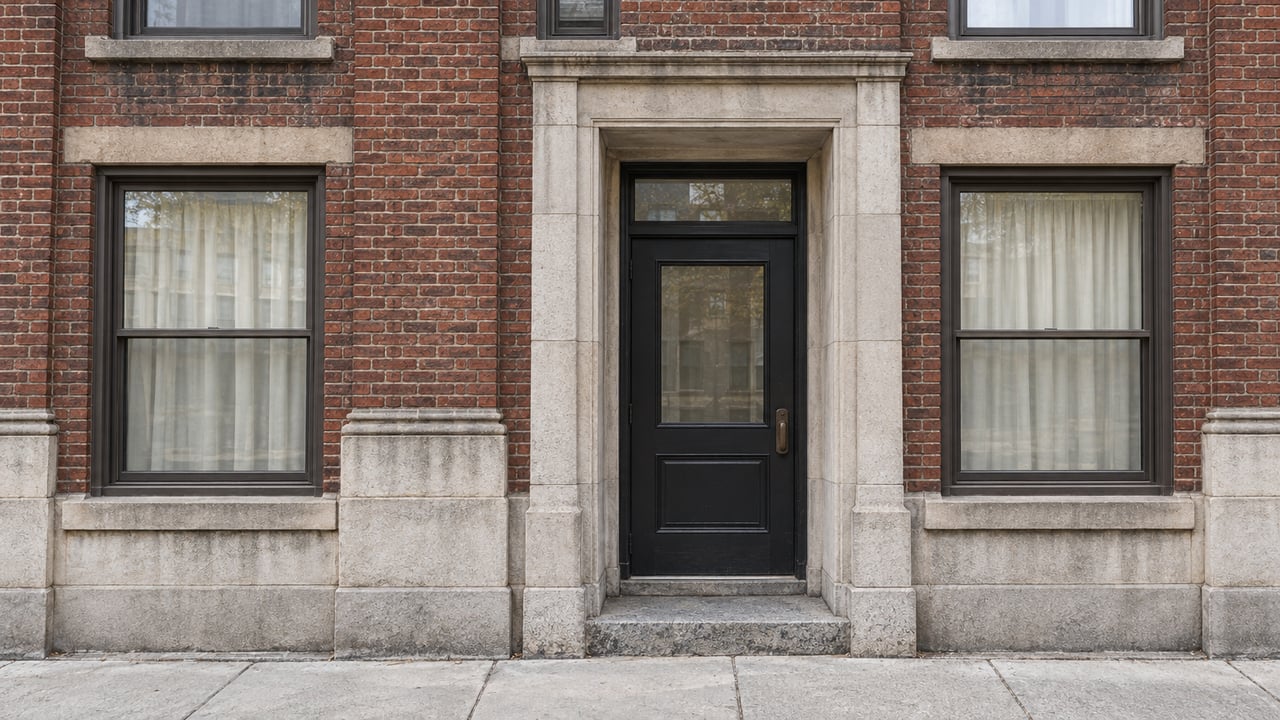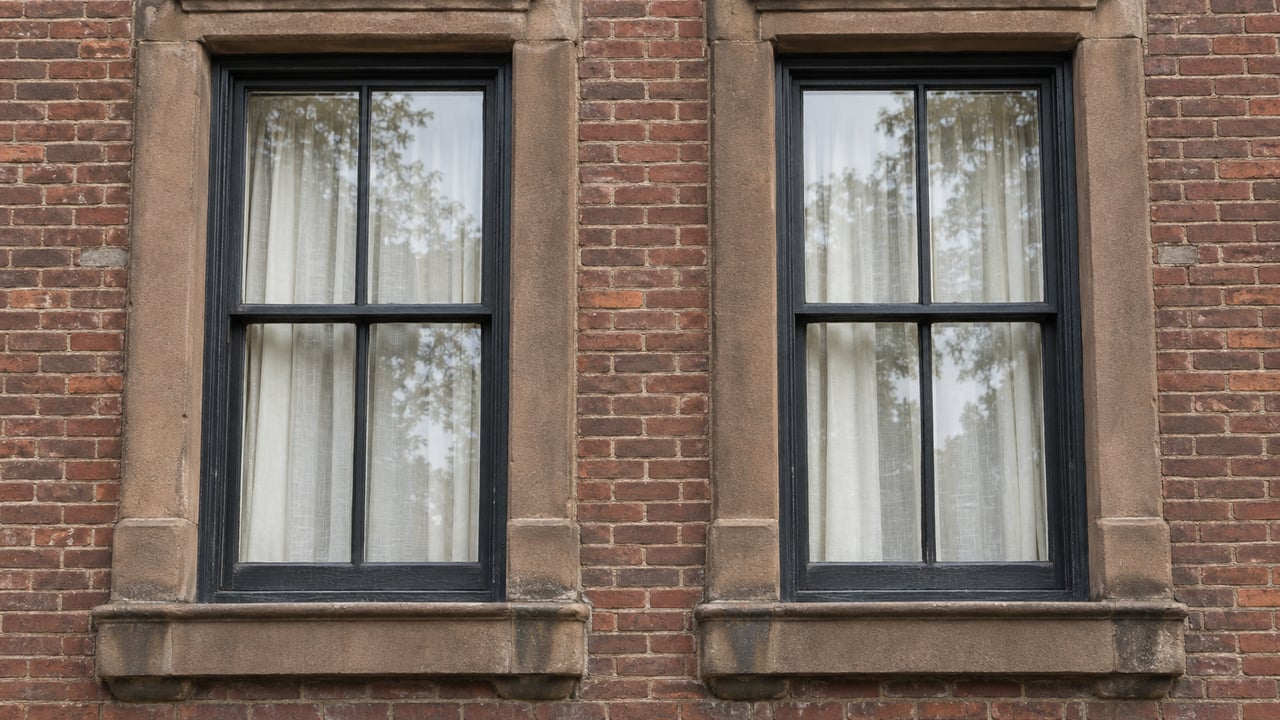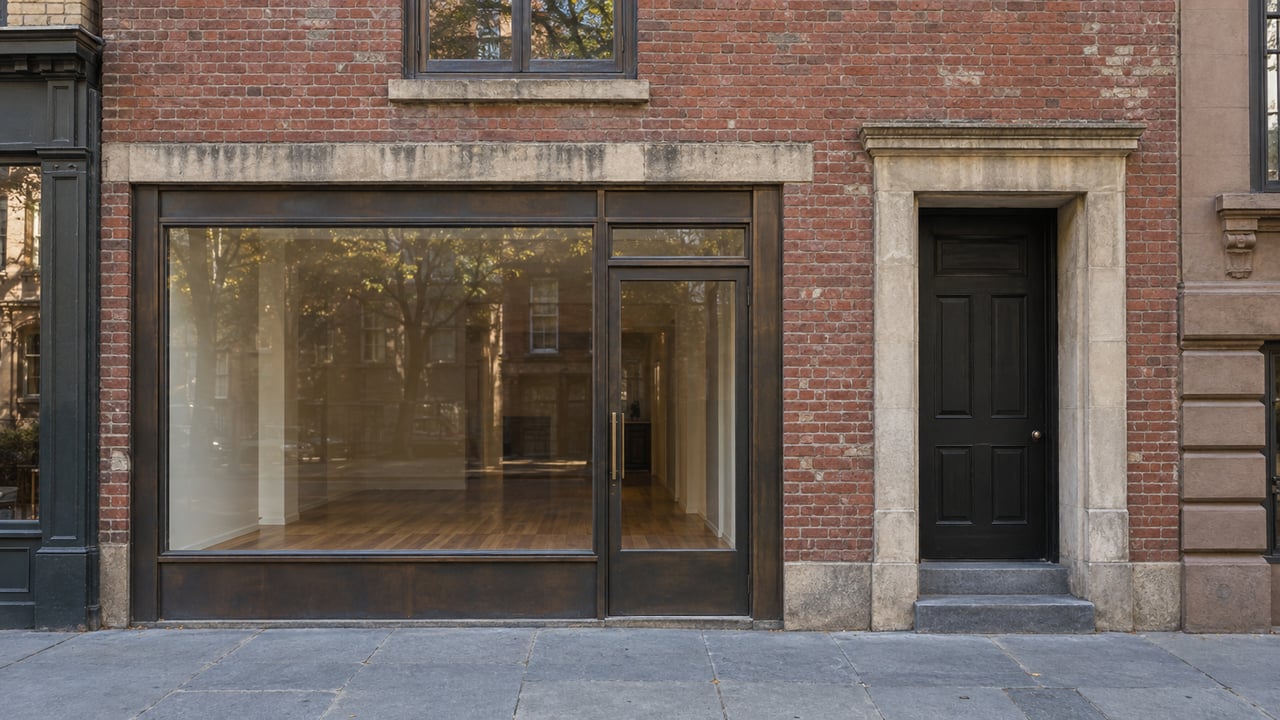
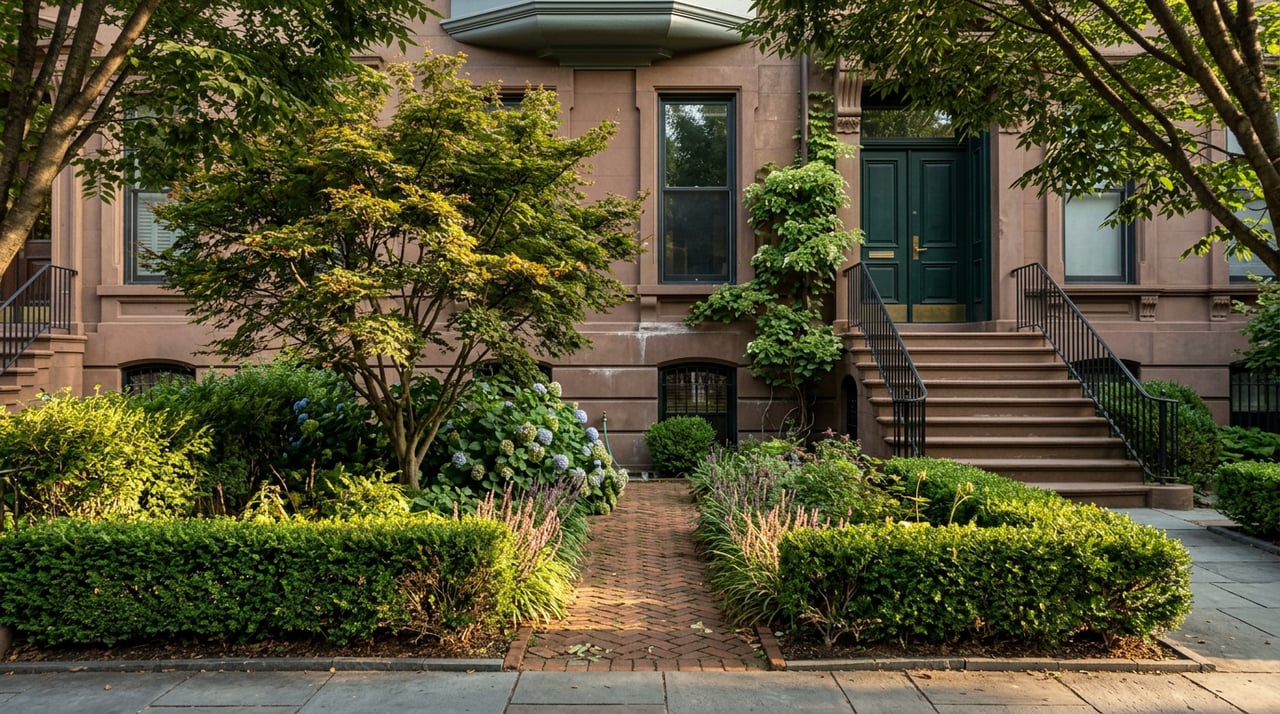
A twenty-five-foot-wide Greek Revival rowhouse with a bracketed cornice and a stoop worn smooth by a century of foot traffic looks the same whether it sits on Dean Street in Boerum Hill or on a block off Clinton Street in Cobble Hill. Same brick. Same builders working from the same pattern books in the same decade. Yet ask an agent who has closed deals across all three BoCoCa neighborhoods, and the answer is direct: Boerum Hill trades at a modest discount to Cobble Hill and Carroll Gardens, even though the architecture is comparable and the location, by most measures, is at least as good.
That gap is not a verdict on Boerum Hill's quality. Once you look at how thin Cobble Hill's actual inventory is, what Carroll Gardens buyers are really paying for when they choose that neighborhood over its neighbors, and how easily a handful of closings can make a monthly median swing wildly, the discount starts to look less like a judgment and more like an accident of where buyers happen to look first.
The Discount Is Real, and It Comes From Where Buyers Start Shopping
Buyers who end up in Boerum Hill usually did not start there. The typical path, according to agents who work the corridor, runs through Cobble Hill first. A buyer searches Cobble Hill, finds the inventory thin and the prices firm, and only then discovers a neighborhood that sits between Cobble Hill to the west, Carroll Gardens to the south, and Downtown Brooklyn to the north, close enough to draw energy from all three without being absorbed into any of them.
That search pattern shows up in the transaction data. Across the Carroll Gardens, Boerum Hill, and Red Hook submarket, 25 closings recorded in the first quarter of 2026 posted a median price of $3.125 million, with most activity concentrated between $2.5 million and $4.5 million. That is a broad band, and it reflects a genuinely mixed inventory: co-ops and condos at accessible entry points sitting alongside multi-family townhouses at the top. Boerum Hill's stock spans more property types and more price points than either neighbor, and the range itself is a large part of why the median lands where it does. Wider selection tends to pull a median toward the middle rather than push it toward the extremes that define its neighbors.
Two blocks from the A and C trains, three from the F and G, State Street and Dean Street offer some of the quietest blocks in the corridor while Atlantic Avenue along the northern edge carries the restaurant and retail traffic. That combination of transit access and quiet residential streets is arguably harder to find in either Cobble Hill or Carroll Gardens, which makes the price gap between the three neighborhoods worth examining rather than accepting at face value.
What Cobble Hill's Premium Actually Buys
Cobble Hill is small, and its inventory reflects that. The blocks between Atlantic and Degraw carry a century of consistent scale and detail that cannot be replicated by new construction, and that scarcity shapes everything about how the neighborhood trades. Buyers who want Cobble Hill specifically tend to stay decided, and when a well-priced property reaches the market, that focus turns into real competition.
The clearest illustration came in a single week in February 2026, when a redeveloped five-bedroom townhouse at 17 Douglass Street, asking just over $9.8 million and built out with a fitness room, sauna, elevator, and multiple outdoor spaces, topped a run of Brooklyn luxury contracts. That week's full tally, reported by the Brooklyn Eagle, came to 20 signed contracts worth $75 million across single-family homes and condos, with a median asking price near $3 million and an average of 116 days on market. The project came from Eckstrom NYC, the firm led by Carlos Saavedra and Nicole Eckstrom that has built a name on high-end townhouse conversions in exactly this corridor.
New construction in Cobble Hill sets a similarly high floor. A 21-residence condominium project at 110 Boerum Place, occupying a full block between Dean and Pacific streets and designed by Brent Buck Architects for developer Avdoo, opened sales in January 2026 with two-bedroom units starting near $2.975 million and four-bedroom layouts with a home office priced from roughly $7.5 million. Ten-foot-six ceilings, soapstone fireplaces, and AGA induction ranges are part of the pitch, but the more relevant fact for a comparison shopper is simpler: even ground-up new construction in Cobble Hill enters the market at a price point that would be unusual for a comparable unit in Boerum Hill.
Carroll Gardens Is Selling a Different Product Entirely
Carroll Gardens was laid out in the 1880s around a specific design decision. A surveyor named Richard Butts planned the neighborhood with front yards set 33.5 feet back from the houses, and those literal front gardens are still the defining physical feature of the blocks today. That single planning choice separates Carroll Gardens from Boerum Hill and Fort Greene, where rowhouses align directly with the sidewalk with no comparable setback.
The buyer profile follows the architecture. Carroll Gardens moves more slowly than Boerum Hill or Cobble Hill, and homes there tend to sell to people who plan to stay. The commute to Manhattan runs longer than from other BoCoCa blocks, which means it gets chosen deliberately rather than settled for, and the tradeoff buys parking that is easier to find and a pace of life that is genuinely quieter.
That long-hold pattern was visible in a transaction that closed in April 2026, when the former Brooklyn home of singer Lily Allen and actor David Harbour at 381 Union Street changed hands for $7 million after being listed at $8 million, with the buyer identified as private, according to the Brooklyn Eagle. A seven-figure gap between ask and close on a well-known property says less about a soft market than about a neighborhood where sellers negotiate but transactions still complete without the kind of bidding drama that defines Cobble Hill's thin top end.
A Side-by-Side Read
| Boerum Hill | Cobble Hill | Carroll Gardens | |
|---|---|---|---|
| What the price reflects | Broadest inventory, most price points | Scarcity and a decided buyer pool | The garden setback and a stay-put buyer profile |
| Typical buyer path | Arrives after shopping Cobble Hill first | Searches Cobble Hill specifically, waits it out | Chooses a longer commute on purpose |
| Where new supply shows up | Co-ops, condos, some townhouses | New luxury condo construction, redeveloped townhouses | Rarely, brownstone stock is largely fixed |
| Q1 2026 submarket signal | $3.125M median across a $2.5M-$4.5M band | Top-end sales anchored above $9M | Slower pace, long-hold transactions |
Why the Monthly Median Can Mislead You
Cobble Hill's own data makes the case for caution better than any outside commentary could. In April 2026, the neighborhood's reported median sale price fell 77.6% year over year, on a total of just four recorded transactions. A four-sale month in a neighborhood this small is not a market signal. It is a sample size problem, and the same math applies in reverse when a single high-end closing pulls a median sharply upward the following month.
The practical lesson for anyone comparing these three neighborhoods on a portal page is to treat any single month's median as a rough sketch, not a verdict, and to ask for closed comparables on the specific block in question before drawing conclusions from a headline number.
What This Means If You Are Comparing the Three
- If broad inventory and transit access matter more to you than a specific block's history, Boerum Hill's wider mix of co-ops, condos, and townhouses gives you more entry points at more price levels.
- If you have decided Cobble Hill is the neighborhood and you are prepared to wait for the right listing, budget for competition. Thin supply means well-priced properties draw multiple buyers who have already ruled everything else out.
- If a front garden and a longer-term hold are part of the plan rather than a compromise, Carroll Gardens' slower pace and long-term buyer pool reflect that intention rather than working against it.
- In all three, ask for the underlying transaction count behind any median you are shown. A number built on four sales tells you far less than the same number built on twenty-five.
Frequently Asked Questions
Does the Boerum Hill discount mean the neighborhood is a better value? It means the price gap is driven by search behavior and inventory breadth rather than a difference in architectural quality or transit access. Whether that makes it a better value depends on what a specific buyer is optimizing for.
Why did Cobble Hill's median sale price swing so sharply in a single month? The April 2026 figure was calculated from just four transactions. In a neighborhood this size, a handful of closings at different price tiers can move a monthly median dramatically without reflecting any real shift in the underlying market.
Is Carroll Gardens a slower market because of weaker demand? The pace reflects buyer intent more than demand. Carroll Gardens draws people who plan to stay for the long term, which naturally produces fewer transactions and longer hold periods than a neighborhood with more turnover.
Comparing three neighborhoods this closely tied together takes more than a portal search and a median price. If you are weighing Boerum Hill, Cobble Hill, and Carroll Gardens against each other and want a straight read on what a specific block or building is actually worth, Turnstone Advisory is available for a confidential consultation.