If you are thinking about living near Washington Square Park, the appeal is easy to understand. You get one of Manhattan’s most recognizable public spaces right outside your door, plus strong subway access, daily convenience, and a front-row seat to Greenwich Village street life. The bigger question is whether that energy fits how you want to live, and that is exactly what this guide will help you sort out. Let’s dive in.
What living near Washington Square Park feels like
Washington Square Park is a 9.75-acre park in Community Board 2 that serves ZIP codes 10003, 10011, and 10012. It is known as a shared public space for local residents, students, performers, chess players, activists, and visitors, which gives the area an unmistakably active feel.
This is not the kind of park setting that feels tucked away or secluded. The park is intensely urban, with plazas, paths, the fountain, the arch, seating, and open gathering areas shaping the daily experience. If you live nearby, your routine is likely to feel connected to movement, people, and public life.
Why buyers are drawn to the area
For many buyers, the biggest draw is simple: convenience with character. The area combines historic architecture, broad transit access, and a walkable setting where daily errands, meetups, and outdoor time can all happen within a few blocks.
The park itself adds to that appeal. Washington Square Park includes a renovated plaza and fountain, a playground, dog run, stage, pétanque courts, seating, paths, and a public restroom. For buyers who want an active Manhattan lifestyle, that mix can be a real advantage.
Transit is a major strength
Transit access around the park is one of the strongest parts of the location. Nearby stations include West 4 St–Washington Sq for the A, B, C, D, E, F, and M lines, Christopher St–Sheridan Sq for the 1 line, and 8 St–NYU for the R and W lines.
In practical terms, that gives you options. Instead of relying on one station or one train line, you have several routes within reach, which can make commuting and getting around the city easier.
Walkability supports daily life
The blocks around the park connect easily to shopping, dining, campus activity, and neighborhood services. That can make the area especially appealing if you want a location where much of daily life happens on foot.
At the same time, the experience can vary block by block. A park-front address will usually feel different from a side street just a short distance away, even when both offer similar access to transit and amenities.
The trade-off: energy and noise
The biggest benefit of living near Washington Square Park is also the biggest trade-off. Because the park attracts a steady mix of residents, students, performers, activists, chess players, and tourists, the immediate area can feel lively at many hours of the day.
That activity is not limited to casual foot traffic. City rules require permits for special events involving more than 20 people or for reserving a specific park area, and amplified sound requires a sound permit from the NYPD. Nearby living is often shaped by periodic spikes in activity rather than nonstop disruption.
What noise often depends on
Your day-to-day experience will depend a lot on the specific apartment, not just the address. Lower floors, park-facing windows, and units directly on the square will usually feel more of the surrounding activity than higher-floor apartments or interior-facing homes on side streets.
Noise can also come from more common city sources. The NYC Noise Code addresses things like bars, restaurants, construction, vehicles, dogs, garbage trucks, and building equipment, so your experience may reflect both park activity and regular urban conditions.
Not every nearby block feels the same
This is where local context matters. A home close to the arch, fountain, or main park paths may feel much more connected to the public life of the square than a home one or two blocks away on a quieter interior street.
Corridors such as West 8th Street, West Houston Street, and LaGuardia Place may also carry more traffic or evening activity than other nearby blocks. If you are comparing homes, the micro-location matters just as much as the neighborhood name.
Building types around the park
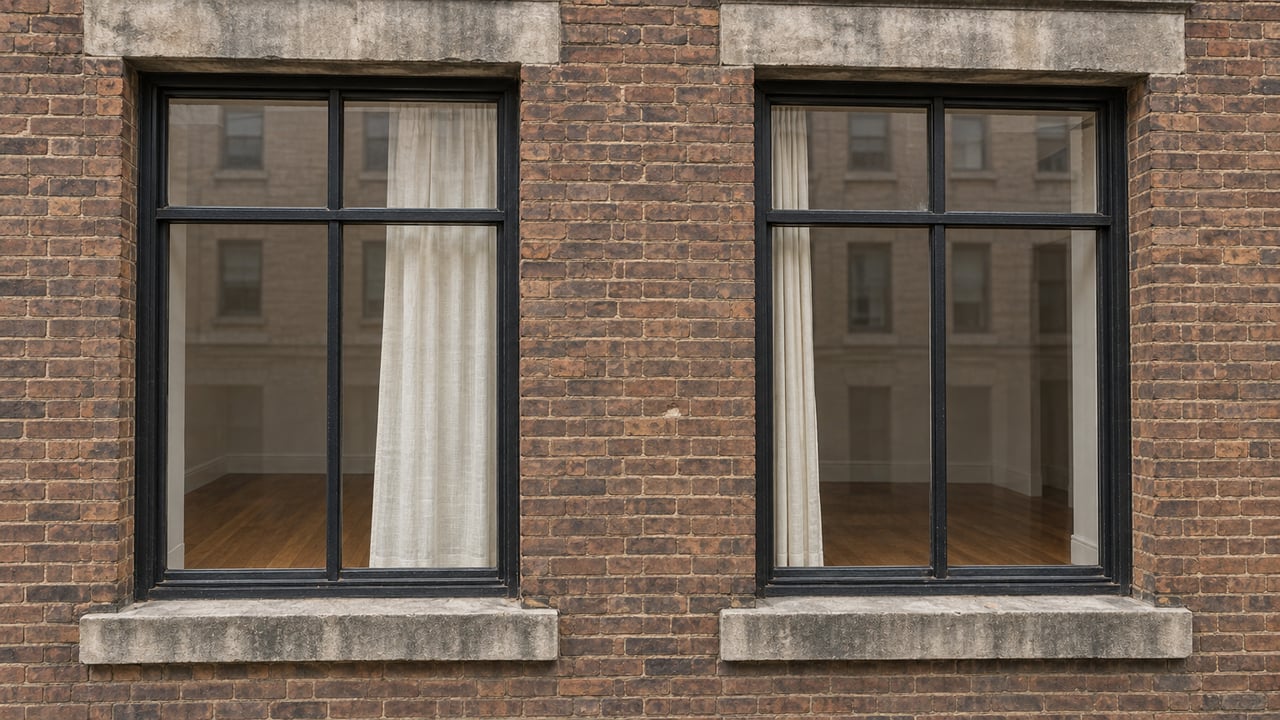
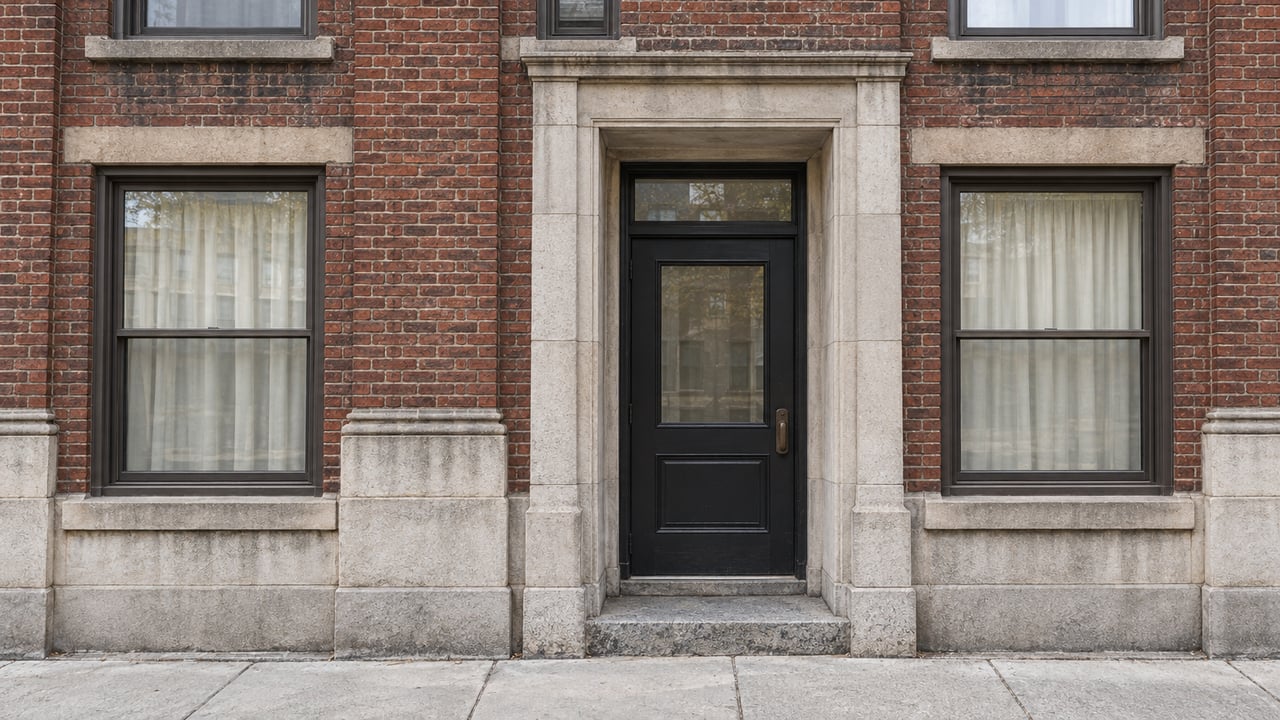
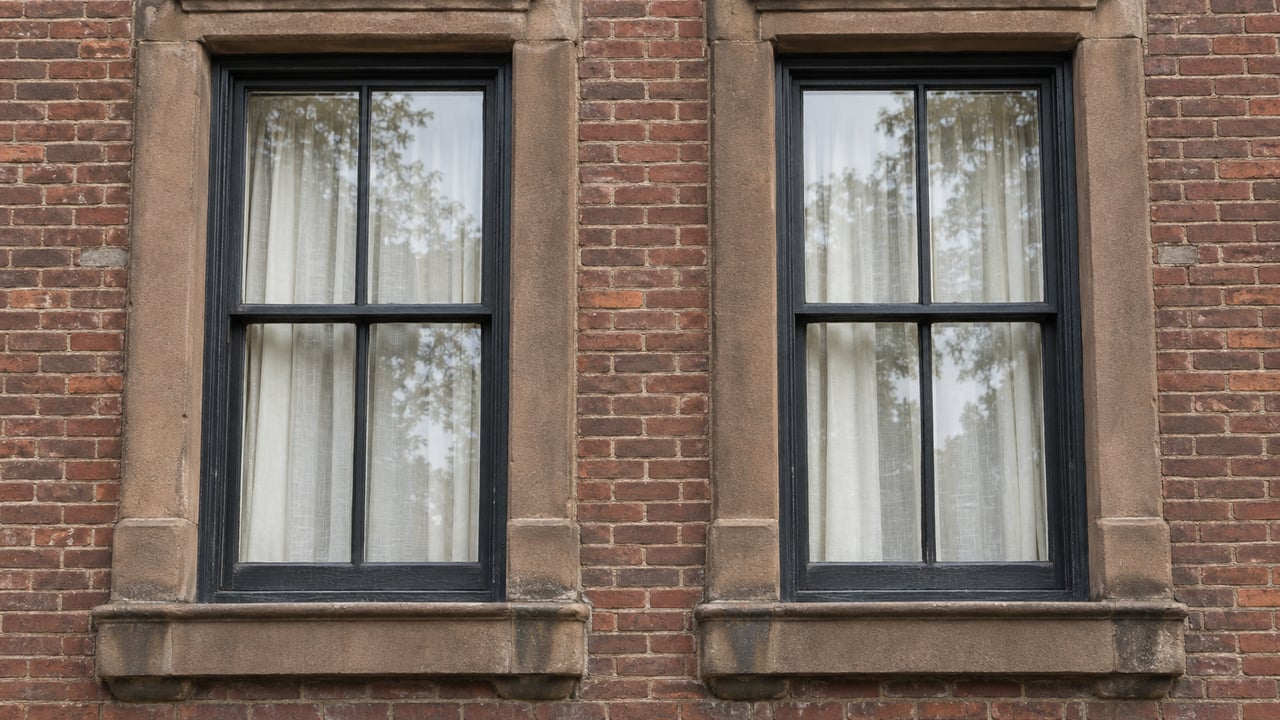
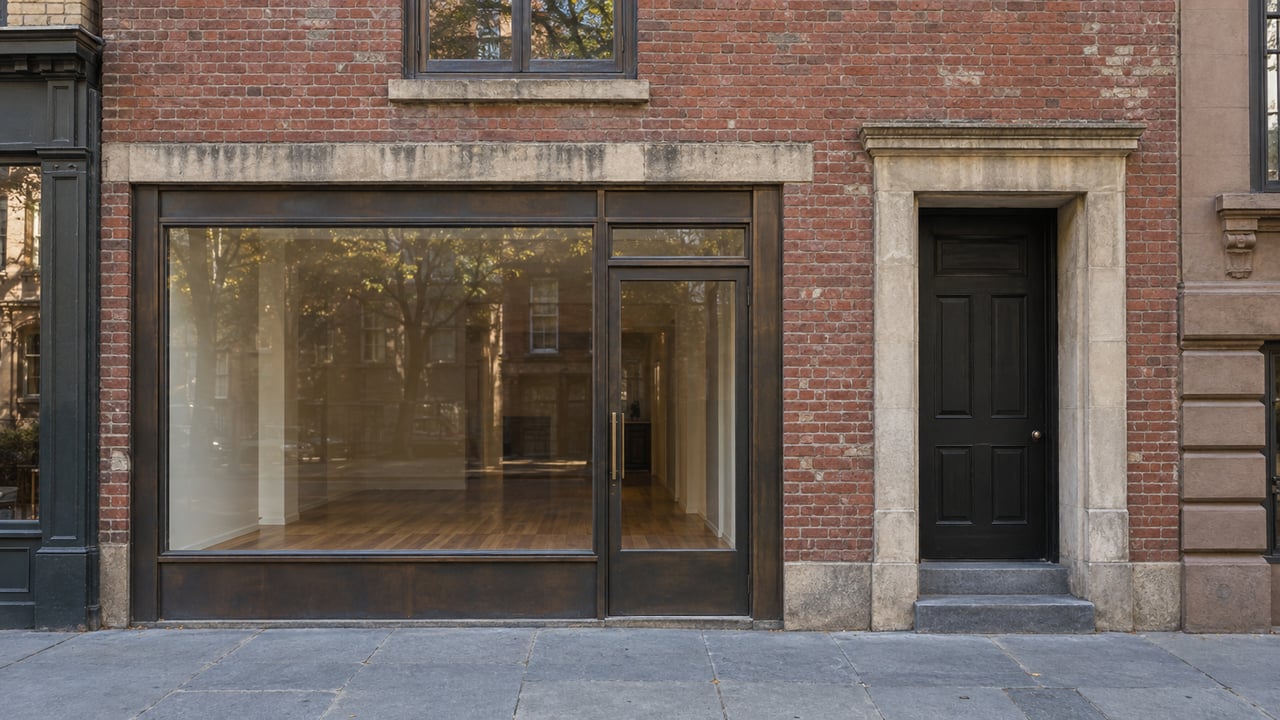
One of the most interesting parts of living near Washington Square Park is the variety of building types around it. The streets surrounding the park are not uniform, and each side offers a somewhat different residential feel.
That variety can be a plus for buyers because it creates real choice. You may find yourself deciding between formal park-front architecture, a more campus-adjacent setting, or a block that blends more directly into the surrounding Village fabric.
Washington Square North
The north side is the most overtly historic and park-facing. The row at 1-13 Washington Square North, known as The Row, is identified by the Landmarks Preservation Commission as one of the best and most intact examples of Greek Revival architecture in New York City.
That said, the north side is not entirely townhouse-scaled. Some sections include apartment houses, especially near the ends of the block and along the Fifth Avenue edge, so buyers can see both landmark character and larger-building living in the same stretch.
East and southeast edges
The east and southeast sides tend to feel more institutional and student-oriented. Planning materials note that Washington Square North includes townhouses owned by NYU for academic use, while nearby West 8th Street functions as a busy commercial corridor.
For some buyers, that means added convenience and energy. For others, it may feel less residential than the side streets deeper into Greenwich Village.
South and southwest blocks
The south and southwest edges blend into the South Village. City materials describe this area as a mix of row houses, tenements, commercial structures, and institutions, along with distinctive commercial and industrial buildings, especially near West Houston Street and LaGuardia Place.
That mix can support a lively, practical lifestyle with easy retail access. It may offer less of the formal park-front atmosphere found on Washington Square North, but it can still provide strong neighborhood character and convenience.
Historic district rules matter
If you are considering a building in a landmarked area, it helps to understand what that can mean in practice. The Landmarks Preservation Commission states that owners in historic districts generally need approval before most exterior alterations.
That does not mean buildings are frozen in time. Alterations and even new construction can still be approved, but the review is meant to protect the qualities that give the district its distinct sense of place.
For a buyer, this matters if you care about future renovation flexibility. If exterior changes are part of your long-term plans, it is worth understanding those review requirements before you buy.
How to compare homes near the park
When buyers look near Washington Square Park, broad neighborhood appeal only gets you so far. The real decision usually comes down to how a specific unit handles light, noise, exposure, and street activity.
A careful comparison can help you separate a great location from a great fit. In this part of Greenwich Village, small differences in siting can change the living experience in a big way.
Questions worth asking
- Which direction do the windows face?
- Is the apartment directly facing the park or set back on a side street?
- How close is the unit to the arch, fountain, or main circulation routes?
- Is the apartment on a lower floor or a higher floor?
- Does the building appear well insulated from street and event noise?
- Is the address on a busier corridor such as West 8th Street, West Houston Street, or LaGuardia Place?
These questions can tell you more than a listing headline. They help translate the public energy of the park into what your everyday life may actually feel like at home.
Park-front living versus side-street living
For many buyers, the decision comes down to one basic choice: do you want to live right on the square, or nearby with a little more distance? Both options can work well, but they often suit different priorities.
The closer you are to the park, the more direct access you get to its architecture, activity, and immediate transit convenience. The farther you move onto interior Village streets, the more likely you are to gain everyday quiet while still keeping much of the same walkability and subway access.
| Option | What it often offers | What to weigh |
|---|---|---|
| Park-adjacent | Landmark setting, direct park access, strong street life, immediate visual connection | More activity, more foot traffic, more potential noise |
| Interior side street | Similar neighborhood access with a more buffered residential feel | Less direct park presence, block-by-block variation |
Is living near Washington Square Park right for you?
If you want a highly walkable, well-connected, visibly active part of Greenwich Village, living near Washington Square Park can be a strong fit. It offers a rare combination of public space, historic setting, and transit access in one of Manhattan’s best-known neighborhoods.
If you prefer a quieter routine, the answer may still be yes, but the exact block and building will matter more. In this area, the smartest move is usually to look beyond the map pin and focus on the details of the unit, exposure, and street context.
If you are evaluating a purchase near Washington Square Park and want a measured, detail-focused perspective, the Greg Mire Team can help you compare blocks, buildings, and unit-specific trade-offs with clarity.
FAQs
What is Washington Square Park like for nearby residents in Greenwich Village?
- Washington Square Park is an active urban park known for steady foot traffic, public gathering space, performers, chess players, students, and visitors, so nearby living often feels connected to public life rather than tucked away.
What subway access do you get near Washington Square Park?
- Nearby transit includes West 4 St–Washington Sq on the A, B, C, D, E, F, and M lines, Christopher St–Sheridan Sq on the 1 line, and 8 St–NYU on the R and W lines.
Are homes near Washington Square Park noisy?
- Noise levels can vary widely by unit, but homes with lower floors, park-facing windows, or direct exposure to busy corridors often feel more activity than higher-floor or interior-facing apartments.
What kinds of buildings surround Washington Square Park?
- The area includes landmark rowhouses, apartment houses, townhouses used for academic purposes, tenements, commercial buildings, and mixed-use structures, with different character on each side of the park.
Does landmark status affect renovations near Washington Square Park?
- Yes. In historic districts, owners generally need Landmarks Preservation Commission approval for most exterior alterations, which can affect renovation planning.
Should you choose a park-front home or a side-street home near Washington Square Park?
- A park-front home often offers stronger views and a closer connection to the square, while a side-street home may provide a more buffered residential feel with similar access to the neighborhood and transit.