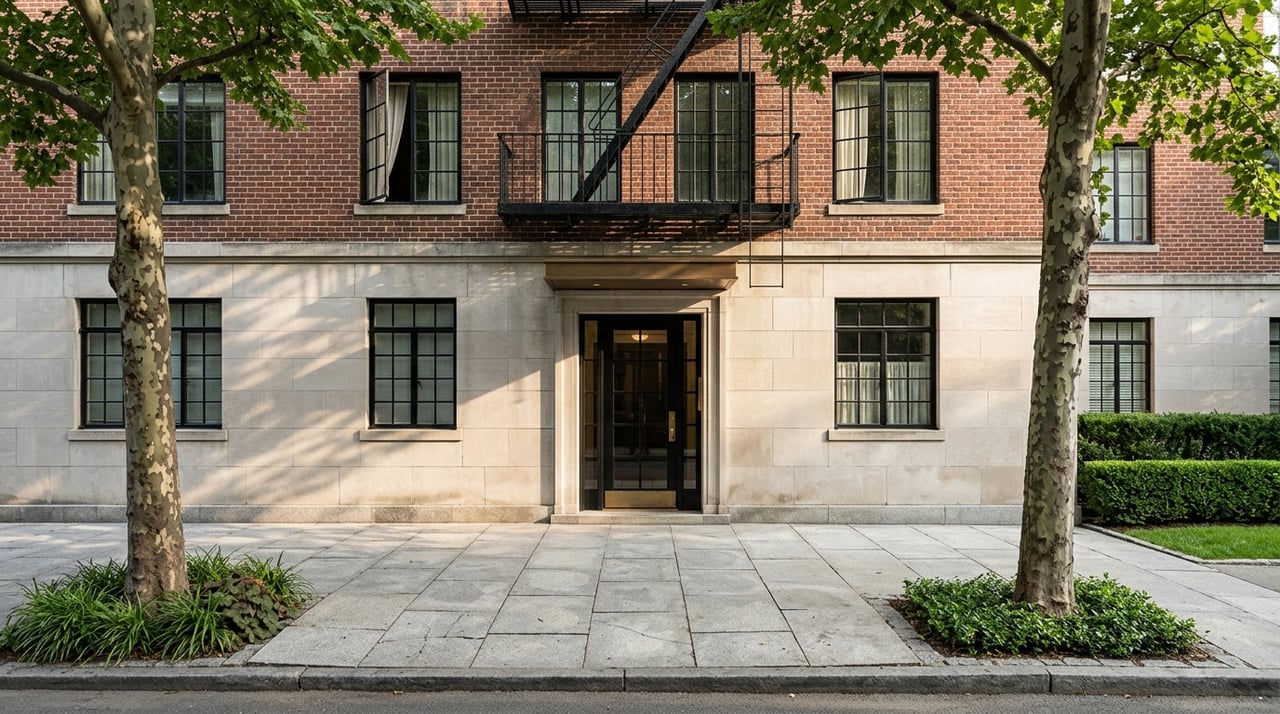
Wondering what it really feels like to live near Madison Square Park? In Flatiron, the answer is not just about a famous address or postcard views. It is about daily life in one of Manhattan’s most active mixed-use districts, where green space, dining, errands, and transit all sit within a compact urban radius. If you are weighing whether this part of the city fits your lifestyle, this guide will help you picture the rhythm of Flatiron living around the park. Let’s dive in.
Why Madison Square Park Shapes Daily Life
Madison Square Park is a 6.2-acre public space that functions as both a neighborhood park and a major city destination. According to the Madison Square Park Conservancy, it draws about 60,000 daily visitors. That gives the area a rare mix of local routine and constant energy.
If you live nearby, the park is not just scenery. It becomes part of your everyday pattern, whether that means a morning walk, a midday reset, or a quick stop with your dog. The surrounding district feels active throughout the day, which is a defining part of life here.
The broader Flatiron and NoMad area is also intensely mixed-use. The Flatiron NoMad Partnership reports more than 35,000 residents, over 100,000 daily workers, and 36 million commercial square feet in the district. In simple terms, this is a neighborhood where residential life and business activity overlap from morning to night.
What the Neighborhood Feels Like
Flatiron living around Madison Square Park is best suited to people who enjoy an amenity-rich urban setting. This is not a quiet residential pocket cut off from city activity. It is a place with heavy foot traffic, busy plazas, office-hour momentum, and regular public programming.
That pace is easy to see in the public realm. The city says the plazas near 23rd Street, Fifth Avenue, and Broadway include seating, shade umbrellas, and kiosks, with estimated foot traffic of more than 50,000 people per day. If you want a lively street scene right outside your building, that can be a real advantage.
There is also strong neighborhood management behind the scenes. The Flatiron NoMad Partnership provides supplemental sanitation, public safety, social services, streetscape beautification, and programming for the district. For residents, that helps support a polished, highly maintained feel in a very busy part of Manhattan.
Morning Routines in Flatiron
One of the biggest draws of living near Madison Square Park is how easily you can build a routine on foot. Coffee, breakfast, groceries, and quick errands are all close together. That convenience can make a fast-paced city schedule feel much more manageable.
The district’s coffee guide highlights options such as :3 Coffee, Angelina Bakery, Blank Street Coffee, Blue Bottle, Devoción, and Caffè Vergnano at Eataly. Whether you prefer a grab-and-go coffee or a slower start, the area offers a wide range of choices within a short walk.
Whole Foods Market NoMad at 63 Madison Avenue adds another layer of convenience. It is open daily from 7 AM to 10 PM and offers groceries, prepared foods, coffee, and an upstairs bar. For many residents, that means daily needs can fit into one compact loop around the neighborhood.
Park Access and Outdoor Space
In a dense part of Manhattan, access to open space matters. Madison Square Park fills that role for nearby residents by offering lawns, play areas, dog-friendly amenities, and a place to sit outdoors during the day. It adds breathing room to an otherwise active commercial corridor.
The Conservancy says the lawns are open daily from 10 AM to 9 PM when weather permits. The playground is located inside the 25th and 26th Street entrances and operates year-round with seasonal hours. Jemmy’s Dog Run is also open year-round, just south of the West 25th Street entrance.
The park does more than provide seating and greenery. It also serves as a public art space and wildlife habitat, while creating room for children and pets to play. If outdoor access is on your wish list, this is one of the area’s clearest lifestyle benefits.
Dining Near Madison Square Park
Flatiron stands out for the sheer concentration of food and drink options around the park. The Flatiron NoMad dining guide says the district includes more than 100 eateries, along with multiple health-conscious, vegetarian, and plant-based options. That variety supports both everyday convenience and more social evenings out.
The area’s retail mix reinforces that food-first identity. The 2025 economic report says 42% of occupied ground-floor spaces are food-and-drink uses, and 89% of newly opened ground-floor spaces in the second quarter of 2025 were also food-and-drink businesses. For residents, that means dining is not a side feature of the neighborhood. It is one of its core traits.
Around the park, options include Mangia NYC, NAYA, PLNT Burger, Pura Vida Miami, Shake Shack in Madison Square Park, and the bar inside Whole Foods NoMad 63. You can keep things casual, pick up lunch on the go, or stay local for an easy dinner after work.
Shopping and Street-Level Character
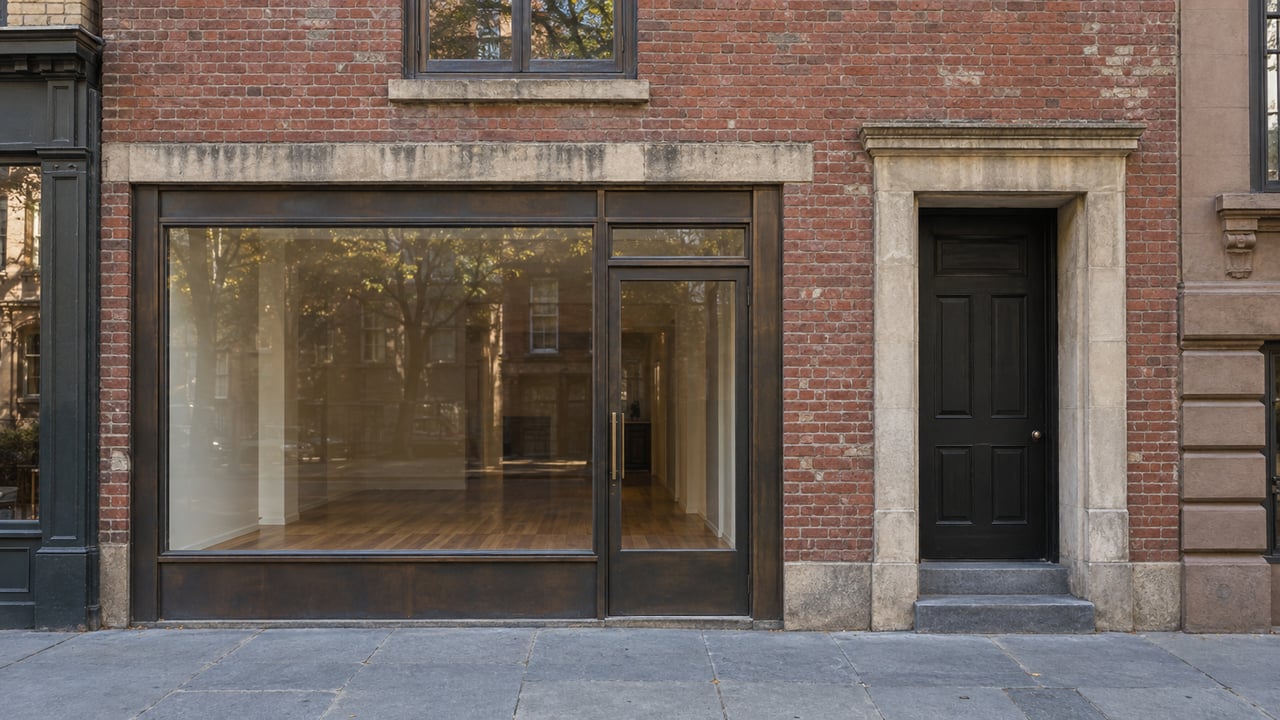
Shopping in this part of Flatiron tends to feel more destination-oriented than purely convenience-based. The district has daily essentials, but it also has a strong design focus that shapes the storefront experience. That can make a simple walk through the neighborhood feel more like browsing than errand-running.
According to the Flatiron NoMad Partnership’s economic report, 42% of retail ground-floor businesses focus on design. That includes furniture showrooms, kitchen and bathroom tile companies, and luxury mattress stores. The result is a streetscape that often feels curated and visually polished.
If you like neighborhoods with a strong commercial identity, that is part of the appeal here. If you prefer a quieter, more residential retail mix, it is something to weigh carefully. Flatiron’s street life is a real asset, but it comes with a distinct intensity.
Evenings and Social Life
After work, the neighborhood shifts rather than slows down. Evening life near Madison Square Park leans into lounges, cocktails, rooftops, and date-night destinations. For many residents, that makes it easy to stay local instead of planning around a long trip downtown or uptown.
Official neighborhood roundups highlight places such as Apotheke NoMad, Barlume Downstairs, The Flatiron Room, Odo Lounge, and Thyme Bar. Rooftop options include Apotheke’s rooftop terrace and SERRA by Birreria above Eataly. That mix gives the area a strong social dimension once the workday ends.
This does not mean every block feels the same at night. It does mean the district has a built-in evening scene that many buyers find attractive. If you enjoy having nightlife and hospitality options within walking distance, Flatiron checks that box.
Buildings and Residential Character
The architecture around Madison Square Park helps define the neighborhood’s identity. A City Planning report on the Flatiron BID says many office buildings in the district were built just before or after 1900. Many originally housed publishing and printing uses before later serving creative and professional firms on upper floors.
That older built fabric gives the area a classic Manhattan look and feel. You see a lot of historic commercial architecture rather than a purely residential streetscape. For some buyers, that blend of age, scale, and adaptive reuse is a major draw.
The area also continues to evolve. The city is advancing a residential conversion of the Flatiron Building at 175 Fifth Avenue that would retain ground-floor retail and add up to 60 dwelling units. That project reflects the district’s long-term identity as a 24/7 mixed-use neighborhood rather than a nine-to-five office zone.
Transit and Getting Around
If you want a neighborhood where you can commute without relying on a car, Flatiron has strong fundamentals. The MTA map for the corridor shows PATH at 23rd Street and 33rd Street, along with the M23 SBS on 23rd Street. That setup works well for frequent commuters and people who value regional access.
Street design in the area also reflects a pedestrian-focused approach. Nearby shared-street improvements include bollards, crosswalks, protected bike lanes, and a 5 MPH advisory speed limit. Those features support the walkable, high-foot-traffic character that defines the neighborhood.
For day-to-day life, this means many residents can handle work, dining, errands, and recreation without needing to travel far. The neighborhood’s convenience is one of its strongest lifestyle advantages.
Who Flatiron Living Suits Best
Living around Madison Square Park tends to work best if you want constant access to activity, amenities, and transit. You may be a good fit if you enjoy stepping outside into a neighborhood that already feels in motion. The area supports a very urban routine built around walking and proximity.
It may be especially appealing if you value:
- Easy access to coffee, groceries, and casual dining
- A major public park within a short walk
- Strong transit connections, including PATH and bus service
- Historic architecture and a design-forward streetscape
- Built-in evening options for dining and drinks
At the same time, it helps to be comfortable with the tradeoffs. This corridor sees substantial pedestrian traffic, office-related activity, and a steady flow of visitors. If you want a calmer environment with less street energy, you may prefer a different kind of Manhattan neighborhood.
The Bottom Line on Madison Square Park Living
Flatiron living around Madison Square Park offers a very specific version of city life. It is walkable, food-forward, transit-connected, and centered on one of Manhattan’s most recognizable public spaces. For the right buyer, that combination creates a highly convenient and engaging everyday experience.
The key is fit. If you want a neighborhood that blends residential life with strong commercial energy, the area around Madison Square Park deserves a close look. If you are seeking a more secluded residential setting, this district’s pace may feel like too much.
If you are evaluating lifestyle-driven opportunities with a measured, strategic lens, the Greg Mire Team welcomes confidential inquiries.
FAQs
What is daily life like near Madison Square Park in Flatiron?
- Daily life near Madison Square Park is active and walkable, with easy access to coffee shops, groceries, restaurants, transit, and park space in a dense mixed-use setting.
Is Flatiron around Madison Square Park a quiet residential area?
- No, the area is better described as a busy mixed-use district with substantial foot traffic, office activity, public programming, and visitors throughout the day.
What outdoor amenities does Madison Square Park offer residents?
- Madison Square Park offers lawns open daily when weather permits, a year-round playground with seasonal hours, a year-round dog run, public art, and places to sit and gather outdoors.
What dining options are available around Madison Square Park?
- The neighborhood has more than 100 eateries according to the district dining guide, including casual lunch spots, plant-based options, bars, and evening destinations near the park.
Is transit convenient in Flatiron near Madison Square Park?
- Yes, the area has strong transit access with PATH at 23rd Street and 33rd Street, plus M23 SBS service along 23rd Street, making it practical for many commuters.
What kind of buyer does Flatiron living around Madison Square Park suit?
- It tends to suit buyers who want a walkable, amenity-rich urban environment and who are comfortable with a lively streetscape and steady neighborhood activity.