Walk from the Washington Square Arch to the corner of Bleecker and MacDougal and the trip takes about four minutes. It also covers most of what made this stretch of the Village a place people flew across the country to see. Café Wha? has anchored this pocket of the Village since 1958, the room where Bob Dylan and Jimi Hendrix played before anyone outside the neighborhood knew their names. For most of the last two decades, that history sat mostly in plaques and liner notes. This fall, the same operators who run Café Wha? are opening a second room just steps away, and the timing is not a coincidence. It is the clearest signal yet that the people who actually own this stretch of Bleecker Street are betting on live music as the thing that defines it again, not the thing it used to be known for.
That bet matters if you live here, because it changes what a Thursday night on this block can look like for the first time in a generation.
A New Room With an Old Address
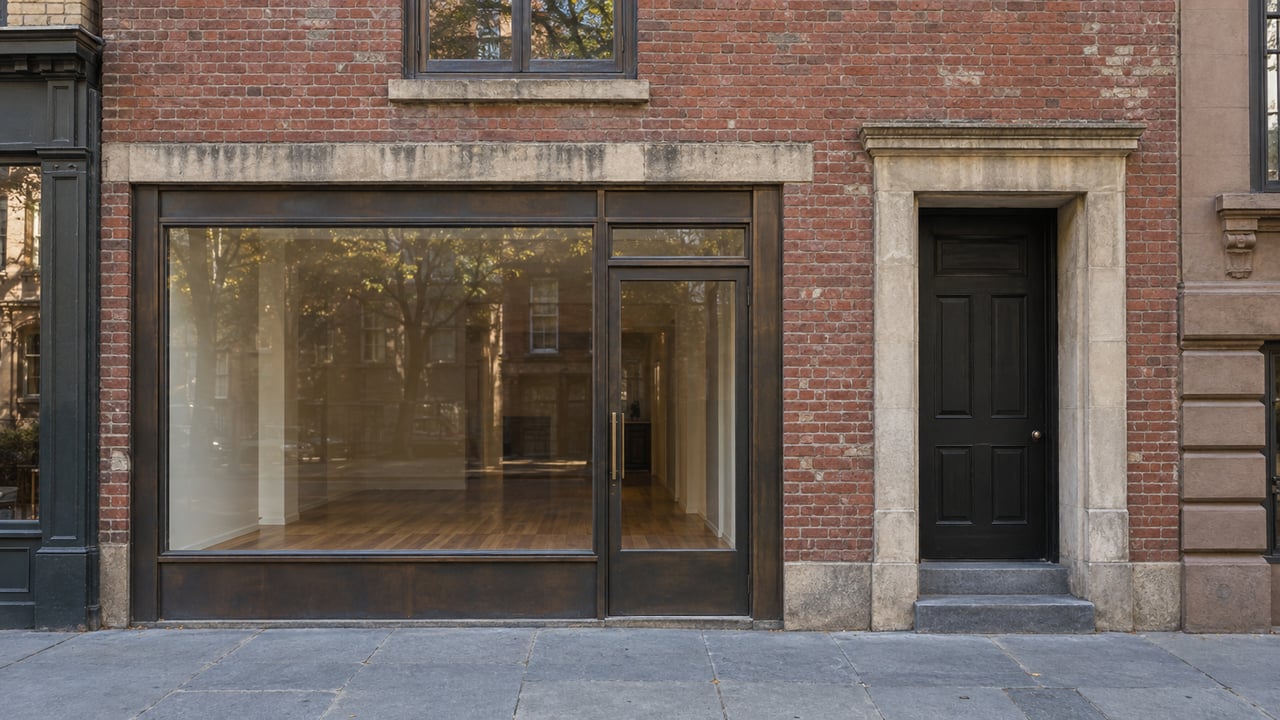
Bleecker Bell is set to open this fall at 163 Bleecker Street, a 200-capacity listening room built by the team behind Café Wha?, Groove, and the concert promotion company Village Presents. It is described as the first new live music venue to open in Greenwich Village in nearly 20 years, with a booking plan built around folk, Americana, jazz, and rock acts, the same genres that made the block famous in the first place.
The people behind it are not newcomers experimenting with a neighborhood they read about. Principals Rani Marom, Ofer Cohen, and Nir Liwnat got their start managing rooms like the former B.B. King Blues Club and The Blue Note before buying and reviving Café Wha? itself. Marom framed the new venue as a continuation of something specific, not a fresh concept:
Since 1958, the legendary Café Wha? alone has hosted Bob Dylan, Jimi Hendrix, and Allen Ginsberg
As of this writing, Bleecker Bell has not announced a firm opening date or its first lineup, only that both are coming this fall. That is worth knowing if you have already started planning around it. The venue's website is the place to watch for the actual calendar once it posts.
What the announcement does confirm is a pattern worth paying attention to. This is not an outside developer leasing ground-floor retail to whoever bids highest. It is the same three people who already run the block's most famous room, spending their own capital to build a second one just steps away. That kind of reinvestment tends to mean the operators believe the block still works the way it always has, and are willing to bet real money on customers still showing up for it.
The Blocks Around It Are Filling In, Too
Music is not the only thing repopulating this corner. Two blocks away, at 184 Bleecker Street on the corner of MacDougal, the Miami-born Mediterranean restaurant Motek opened its second New York location this spring, following the success of its first outpost in Flatiron. Motek is known for oversized pita spreads and mezze plates that circulate constantly on social media, and its arrival on Bleecker put a second high-traffic destination on the same short stretch where Bleecker Bell is now under construction.
A few blocks north, at 19 Waverly Place, Apollo Bagels announced on September 1 that it is bringing its naturally fermented, boiled bagels to Greenwich Village. The shop started as a Williamsburg pop-up during the pandemic, opened its first storefront in the East Village in 2024, and has since expanded to eight locations across Manhattan and Brooklyn. The Waverly Place shop will be its ninth. If you already walk past the West Village location on your way somewhere else, this is the same bagel, just closer.
The neighborhood has also picked up Kiko, a new restaurant that resists easy categorization, serving sashimi and futomaki alongside chicken finished with umeboshi and a foie-soy jus, paired with a wine, sake, and shochu list. It is the kind of menu that only works in a neighborhood dense enough to support something this specific without needing to be everything to everyone.
None of these openings individually would be worth a headline. Together, on the same handful of blocks, in the same six months, they read less like scattered turnover and more like operators making a shared bet on this specific stretch of the Village holding its value as a destination.
The Park Already Has Its Two Biggest Free Dates on the Calendar
While Bleecker Street rebuilds its nightlife, Washington Square Park is doing what it does every fall: hosting the free programming that has anchored Village life for decades, run largely by volunteers and neighborhood associations rather than the city itself.
The Washington Square Park Folk Festival returns for its 16th year on Sunday, September 20, free to the public as always. The afternoon lineup runs on the hour, with sets from Christian & Cole, Feral Foster, Hannah Thompson & The Bleacher Creatures, and the Wazumbians rounding out the bill. It is the kind of event that survives entirely on donations and goodwill, which is part of why it has lasted 16 years without becoming something else.
A month later, the Washington Square Association is hosting its chess exhibition at the Chess Plaza on October 21, with a rain date of October 22. International Master Farai Mandizha, ranked the top active player from Zimbabwe, will open with a lecture before playing 25 opponents simultaneously until one is left standing. Registration is free, with five spots reserved for players 12 and under, and spots tend to fill quickly once the RSVP link goes live.
The scale of that event has grown since it started. The first exhibition in 2021 featured Grandmaster Maxim Dlugy playing 18 opponents at once. This year's edition against Mandizha is set for 25, a jump that reflects a program the Association keeps investing in rather than one that has plateaued. For residents who treat the park as an extension of their own living room, that is a useful thing to know before the RSVP form goes up.
What Actually Changes This Fall
None of this requires leaving a half-mile stretch of the neighborhood. The park hosts its last two marquee free events of the year within a month of each other. Bleecker Street adds a live music room from the operators who already prove the format works just steps away, plus a Mediterranean restaurant that has already found an audience and a bagel shop expanding into its ninth location. A new restaurant on a nearby block is doing something none of its neighbors are attempting.
The through-line is not that the Village is changing. It is that the specific block between Washington Square and MacDougal Street is being reinvested in by people who already know it works, rather than being handed to whoever can afford the highest rent. That distinction tends to matter more for how a neighborhood feels five years from now than any single opening does on its own.
If you have watched storefronts turn over on this block before without much changing, this fall is worth watching a little more closely. The people spending money here this time already own the room next door.
For those thinking about what a stretch like this means for property values or timing a move in or out of the neighborhood, the Greg Mire Team tracks these patterns block by block, not just at the neighborhood level. Reach out to request a confidential consultation if you want that read applied to your own address.